
PD-L1 (CD274) (NM_014143) Human Tagged ORF Clone

$300.00
5 Days*
Specifications
| Product Data | |
| Type | Human Tagged ORF Clone |
|---|---|
| Target Symbol | PD-L1 |
| Synonyms | B7-H; B7H1; hPD-L1; PD-L1; PDCD1L1; PDCD1LG1; PDL1 |
| Vector | pCMV6-Entry |
| E. coli Selection | Kanamycin (25 ug/mL) |
| Mammalian Cell Selection | Neomycin |
| Sequence Data | |
| Chromatograms |
Chromatograms
 Sequencher program is needed, download here |
| Restriction Sites |
SgfI-MluI Cloning Scheme for this gene
|
Plasmid Map

|
| ACCN | NM_014143 |
| ORF Size | 870 bp |
| OTI Disclaimer | The molecular sequence of this clone aligns with the gene accession number as a point of reference only. However, individual transcript sequences of the same gene can differ through naturally occurring variations (e.g. polymorphisms), each with its own valid existence. This clone is substantially in agreement with the reference, but a complete review of all prevailing variants is recommended prior to use. More info |
| OTI Annotation | This clone was engineered to express the complete ORF with an expression tag. Expression varies depending on the nature of the gene. |
| Components | The ORF clone is ion-exchange column purified and shipped in a 2D barcoded Matrix tube containing 10ug of transfection-ready, dried plasmid DNA (reconstitute with 100 ul of water). |
| Reconstitution Method | 1. Centrifuge at 5,000xg for 5min. 2. Carefully open the tube and add 100ul of sterile water to dissolve the DNA. 3. Close the tube and incubate for 10 minutes at room temperature. 4. Briefly vortex the tube and then do a quick spin (less than 5000xg) to concentrate the liquid at the bottom. 5. Store the suspended plasmid at -20°C. The DNA is stable for at least one year from date of shipping when stored at -20°C. |
| Note | Plasmids are not sterile. For experiments where strict sterility is required, filtration with 0.22um filter is required. |
| Shipping | Ambient |
| Reference Data | |
| RefSeq | NM_014143.4 |
| RefSeq Size | 1553 bp |
| RefSeq ORF | 873 bp |
| Locus ID | 29126 |
| UniProt ID | Q9NZQ7 |
| Cytogenetics | 9p24.1 |
| Domains | ig, IG |
| Protein Families | Druggable Genome, Transmembrane |
| Protein Pathways | Cell adhesion molecules (CAMs) |
| MW | 33.28 kDa |
| Summary | This gene encodes an immune inhibitory receptor ligand that is expressed by hematopoietic and non-hematopoietic cells, such as T cells and B cells and various types of tumor cells. The encoded protein is a type I transmembrane protein that has immunoglobulin V-like and C-like domains. Interaction of this ligand with its receptor inhibits T-cell activation and cytokine production. During infection or inflammation of normal tissue, this interaction is important for preventing autoimmunity by maintaining homeostasis of the immune response. In tumor microenvironments, this interaction provides an immune escape for tumor cells through cytotoxic T-cell inactivation. Expression of this gene in tumor cells is considered to be prognostic in many types of human malignancies, including colon cancer and renal cell carcinoma. Alternative splicing results in multiple transcript variants. provided by RefSeq, Sep 2015 |
Reviews


Documents
| Product Manuals |
| FAQs |
| SDS |
Resources
"NM_014143" in other vectors (6)
| SKU | Description | Size | Price | |
|---|---|---|---|---|
| RC213071L1 | Lenti ORF clone of Human CD274 molecule (CD274), Myc-DDK-tagged | 10 ug |
$600.00
|
|
| RC213071L2 | Lenti ORF clone of Human CD274 molecule (CD274), mGFP tagged | 10 ug |
$600.00
|
|
| RC213071L3 | Lenti ORF clone of Human CD274 molecule (CD274), Myc-DDK-tagged | 10 ug |
$600.00
|
|
| RC213071L4 | Lenti ORF clone of Human CD274 molecule (CD274), mGFP tagged | 10 ug |
$600.00
|
|
| RG213071 | PD-L1 / CD274 (tGFP-tagged) - Human PD-L1 / CD274 molecule (PD-L1 / CD274) | 10 ug |
$489.00
$500.00
|
|
| SC115168 | PD-L1 / CD274 (untagged)-Human PD-L1 / CD274 molecule (PD-L1 / CD274) | 10 ug |
$450.00
|
|
Citations
Tumor-Intrinsic PD-L1 Promotes Breast Cancer Proliferation Through Livin and Galectin-1-Mediated Regulation of SKP2 Expression
Elfoly, Alaiya, Al-Hazzani et al
Int J Mol Sci (2026) 27 (6), 2741-2741 DOI: 10.3390/ijms27062741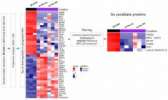
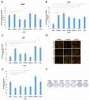
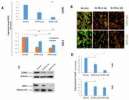
Elfoly, Alaiya, Al-Hazzani et al
Int J Mol Sci (2026) 27 (6), 2741-2741 DOI: 10.3390/ijms27062741
AI Summary: OriGene's PD-L1 ORF (RC213071) was used to overexpress PD-L1 in breast cancer cells, enabling the study of its role in promoting cell proliferation through the regulation of Livin, Galectin-1, and SKP2 expression.
Snippet: rmany) (Supplementary Table S1).4.3. PD-L1 ORF OverexpressionPD-L1 ORF (RC213071 from OriGene, Rockville, MD, USA) was overexpressed in MDA-MB-468 cells using Lipofectamine LTX (Thermo Fisher Scientific), followed by selection using the eukaryotic antibiotic, G 418 (Thermo Fisher Scien
A Critical Role of Intracellular PD-L1 in Promoting Ovarian Cancer Progression
Huang, Nakamura, Senguttuvan et al
Cells (2025) 14 (4) DOI: 10.3390/cells14040314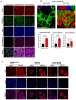
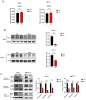
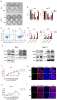
Huang, Nakamura, Senguttuvan et al
Cells (2025) 14 (4) DOI: 10.3390/cells14040314
Cited by 4
AI Summary: OriGene’s human PD-L1 plasmid (#RC213071) and mouse PD-L1 plasmid (#MR203953) were used to generate acetylation site mutants and establish stable cell lines, enabling the study of intracellular PD-L1’s role in ovarian cancer progression.
Snippet: ained from 3 patients with germline BRCA mutations. 2.3. Acetylation Site Point Mutation and Stable Cell Line Establishment Human (#RC213071) and mouse (#MR203953) PD-L1 plasmids were purchased from OriGene, Rockville, MD, USA, and the phosphorylated primers (human: F: 5′-P-atc ttc cgt tta aga cga ggg aga atg atg gat-3′;R: 5′-P- atc cat cat tct ccc tcg tct taa acg gaa gat-3′, mouse: F: 5
Role of STAT3-FOXO3 Signaling in the Modulation of Neuroplasticity by PD-L1-HGF-Decorated Mesenchymal Stem Cell-Derived Exosomes in a Murine Stroke Model
Lin, Chang, Lee et al
Adv Sci (Weinh) (2024)
Lin, Chang, Lee et al
Adv Sci (Weinh) (2024)
Cited by 21
AI Summary: OriGene's human PD-L1 (Cat# RC213071) and HGF (Cat# RC215593L3) open reading frame clones were used as PCR templates to generate the cDNAs for constructing the bicistronic expression vector that enabled mesenchymal stem cells to produce PD-L1 and HGF-decorated exosomes for the study.
Snippet: Human PD-L1- and HGF-tagged open reading frame clones (Cat# RC213071 and Cat# RC215593L3, respectively;OriGene Technologies, USA) were used as the polymerase chain reaction (PCR) templates for generating the PD-L1 and HGF complementary DNA (cDNA), respectively. The bicistronic expression construct was generated by inserting the PD-L1 and HGF cDNA fragments into pSF-CMV-CMV-SbfI (Oxford Genetics, UK) using a specific
Novel Programmed Death Ligand 1-AKT-engineered Mesenchymal Stem Cells Promote Neuroplasticity to Target Stroke Therapy
Lin, Lee, Liu et al
Mol Neurobiol (2023)
Lin, Lee, Liu et al
Mol Neurobiol (2023)
Cited by 7
AI Summary: OriGene products, specifically the PD-L1 (CD274) human-tagged ORF clone (Cat. No. RC213071) and the AKT human-tagged ORF clone (Cat. No. RC220257), were used as PCR templates to generate cDNAs for engineering mesenchymal stem cells in this study.
Snippet: Although tissue plasminogen activator (t-PA) and endovascular thrombectomy are well-established treatments for acute ischemic stroke, over half of patients with stroke Save;A PD-L1 (CD274) (NM_014143) human-tagged ORF clone (Cat. … RC213071;OriGene Technologies, Inc. USA) was used as a PCR template for PD-L1 cDNA. AKT (NM_005163) human-tagged ORF Clone (Cat. … RC220257;OriGene Technologies, Inc. …
Anti-PD-L1 antibodies promote cellular proliferation by activating the PD-L1-AXL signal relay in liver cancer cells
Tanaka, Koga, Suzuki et al
Hepatol Int (2023)
Tanaka, Koga, Suzuki et al
Hepatol Int (2023)
Cited by 11
AI Summary: OriGene products, specifically the GFP-tagged PD-L1-expressing plasmid (RC213071) and the empty vector (PS100010), were used to manipulate PD-L1 expression in liver cancer cells, enabling the study of how anti-PD-L1 antibodies affect cell proliferation via the PD-L1-AXL signaling pathway.
BiTE-Secreting CAR-γδT as a Dual Targeting Strategy for the Treatment of Solid Tumors
Huang, Pan, Lin et al
Adv Sci (Weinh) (2023) 10 (17), e2206856 DOI: 10.1002/advs.202206856
Huang, Pan, Lin et al
Adv Sci (Weinh) (2023) 10 (17), e2206856 DOI: 10.1002/advs.202206856
Cited by 54
AI Summary: In this study, OriGene products—recombinant HLA-G protein (TP305216) and the human PD-L1 expression plasmid (RC213071)—were used to coat ELISA plates for binding assays and to generate PD-L1-overexpressing cells, respectively, thereby enabling key functional experiments on dual-targeting immunotherapies.
Snippet: … For competitive ELISA, each well in a 96‐well plate was coated with 0.2 µg recombinant HLA‐G (TP305216, OriGene) or PD‐L1 (#10084‐HNAH, Sino Biological) protein at 4 °C overnight. After washing with phosphate‐buffered saline and Tween 20, the wells were incubated with 0.2 µg biotinylated LILRB1;- or PD-L1: To generate HLA-G- and PD-L1-overexpressing cells, human pCMV1 plasmids encoding human PD-L1 open reading frame (RC213071, Origene) were
Showing 1-6 of 17 papers.
Powered by BizGenius
*Delivery time may vary from web posted schedule. Occasional delays may occur due to unforeseen
complexities in the preparation of your product. International customers may expect an additional 1-2 weeks
in shipping.
Related Products
- Price:
- Actual Price:
Welcome to OriGene AI!
I'm your AI-powered guide to everything OriGene.
Ask me anything:
- Product specs
- Ordering help
- Technical questions
- How to find exactly what your experiment needs
Prefer a live agent? Connect with us by clicking the green chat icon, as seen in the image below or email our team at custsupport@origene.com.
