
Biomarker in Spotlight
IL-36γ
The New Frontier in Armored CAR-T Therapy
A potent pro-inflammatory cytokine belonging to the IL-1 superfamily, emerging as a pivotal biomarker and therapeutic tool in the fight against solid tumors.
The Science
Understanding IL-36γ in Cancer Immunotherapy
The Challenge with Traditional CAR-T
Traditional Chimeric Antigen Receptor (CAR) T-cell therapies have struggled against the immunosuppressive tumor microenvironment (TME) and antigen heterogeneity of solid cancers. The primary limitation is antigen loss or heterogeneity, where tumors escape by downregulating the targeted antigen.
The IL-36γ Solution
IL-36γ is being leveraged to "reprogram" the host's own immune system, creating a multi-pronged attack that goes far beyond direct tumor killing. IL-36γ armored CAR-T cells address these limitations through several groundbreaking mechanisms.
The Mechanism: Beyond Direct Cytotoxicity
Neutrophil Reprogramming
These reprogrammed neutrophils upregulate MHC-II and co-stimulatory molecules like CD80 and CD86, essentially acting as professional antigen-presenting cells to prime the host's endogenous immune system.
Inducing Antigen Spreading
This enables the rejection of antigen-negative tumor variants that would otherwise escape treatment — a critical advantage over traditional CAR-T approaches.
No Lymphodepletion Required
Preclinical studies show these armored cells can completely eradicate solid tumors in immunocompetent models without prior lymphodepletion, significantly reducing treatment toxicity.
The Paradigm Shift
From Targeted Killing to Immune Reprogramming
IL-36γ armored CAR-T cells don't just kill tumor cells directly — they transform the entire tumor microenvironment, recruit and reprogram the host's immune system, and establish long-term immunological memory against cancer.
Research Tools
OriGene Solutions for IL-36γ Research
Comprehensive tools and reagents to advance your IL-36γ research from discovery to validation.
IL-36γ Monoclonal Antibody
Clone OTI2F4 •
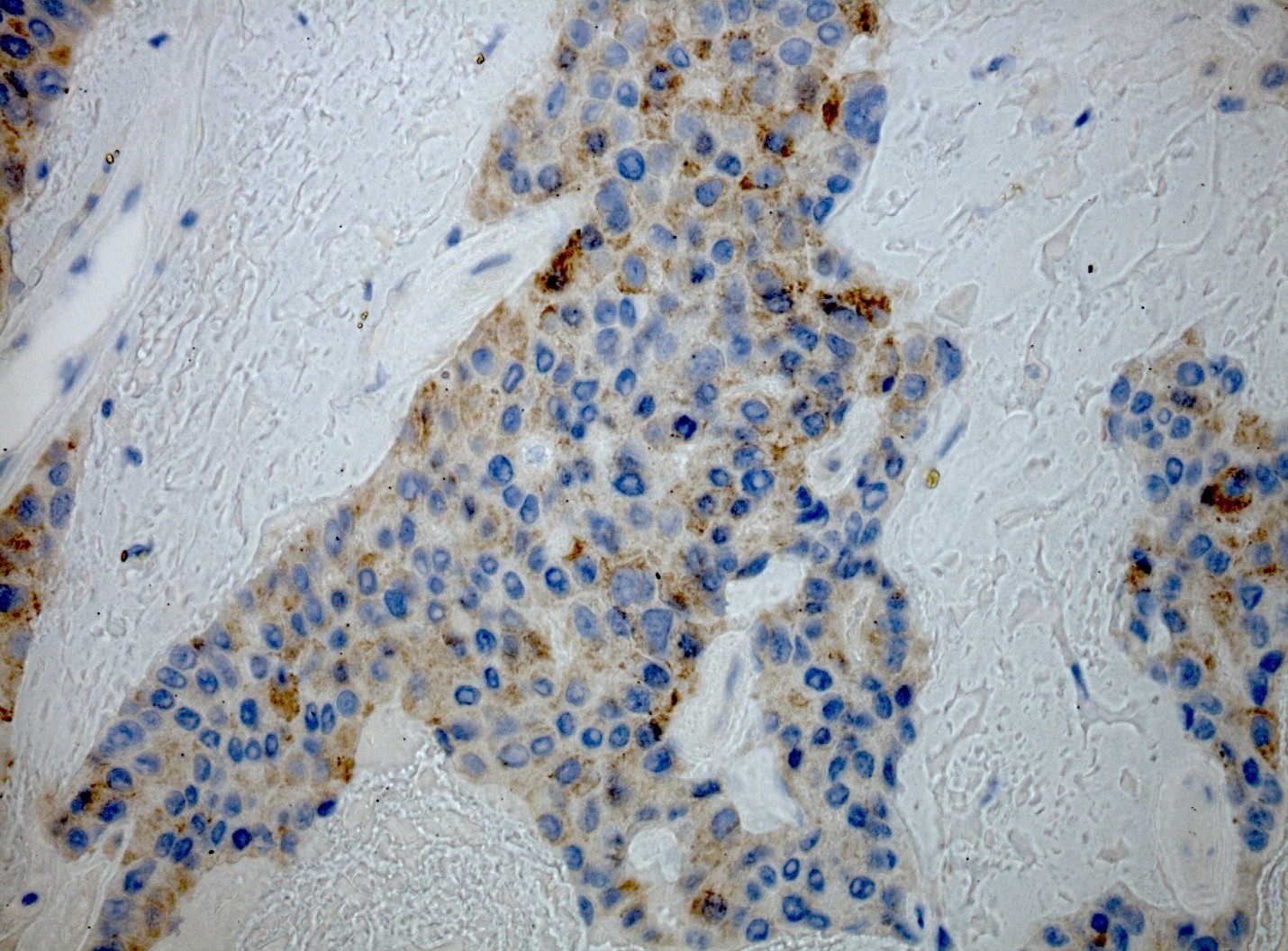
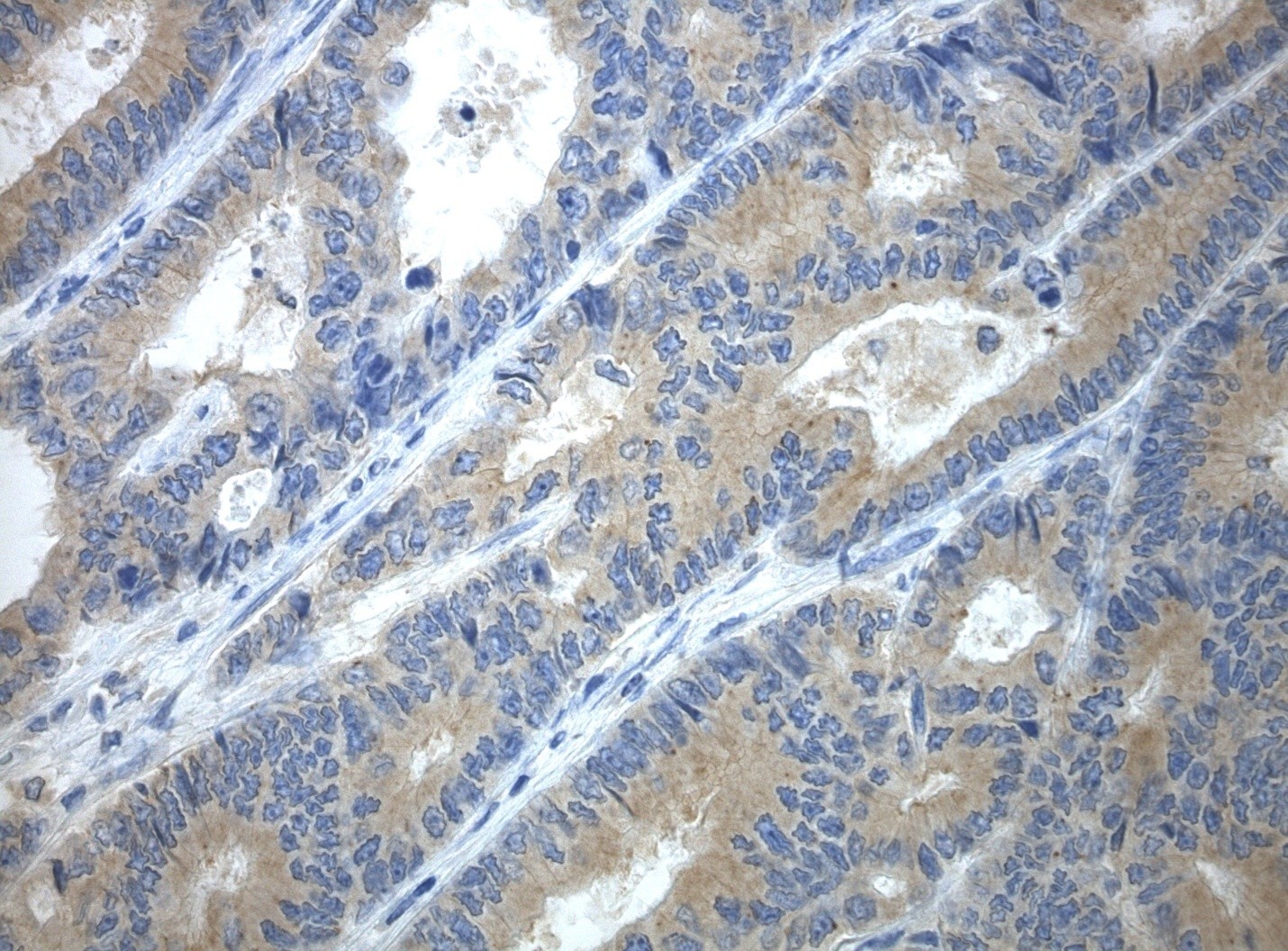
The OriGene IL-36γ Mouse Monoclonal Antibody is a critical tool for identifying this cytokine in complex biological samples with exceptional specificity and sensitivity.
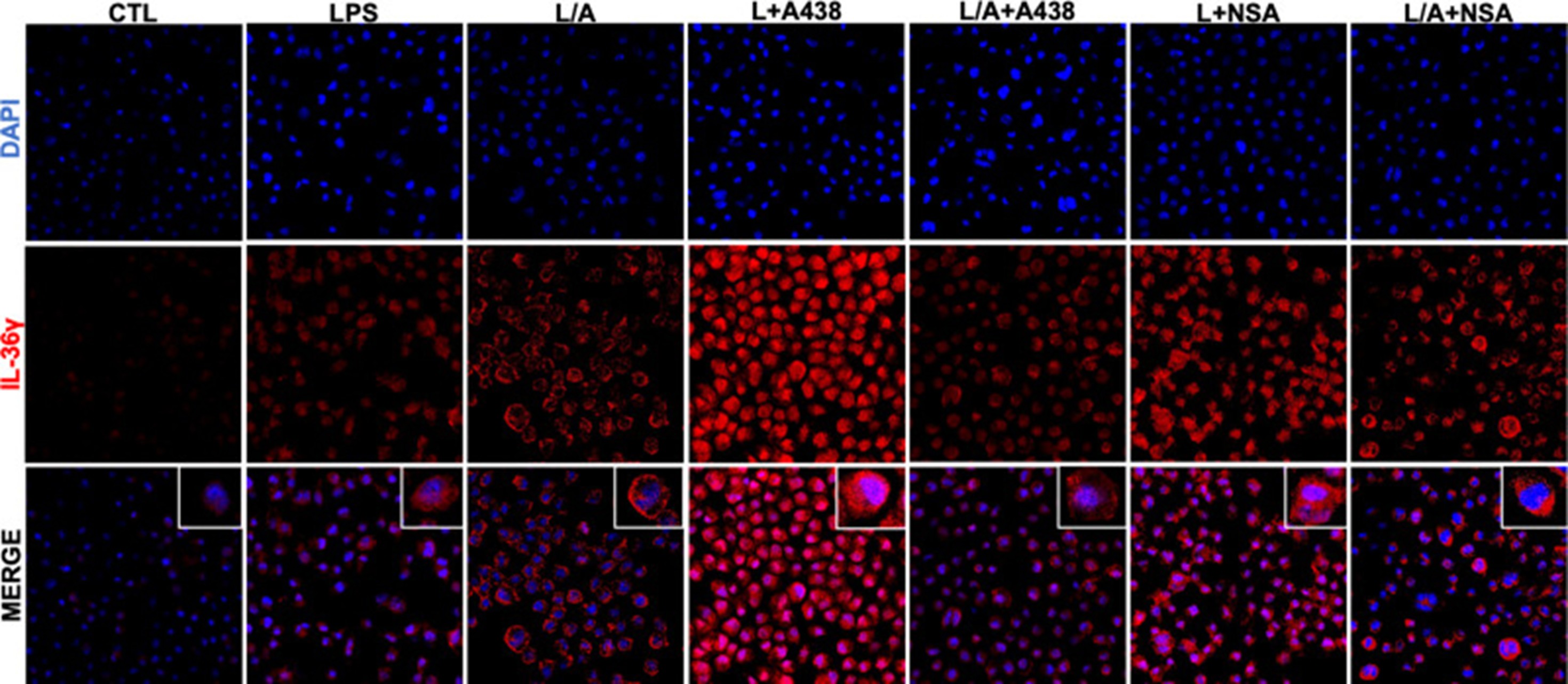
- Western Blot Validated: Detects IL-36γ in macrophage lysates and supernatants, confirming LPS and ATP-induced secretion through unconventional pathways
- IF/IHC Applications: Highly effective for visualizing intracellular IL-36γ movement and localization patterns
- Localization Studies: Observe perinuclear localization under homeostatic conditions and plasma membrane translocation upon activation
Other Products Supporting IL-36γ Research
Conclusion & Future Outlook
A Promising Roadmap for Solid Tumors
By transforming the TME from an "immune desert" into an active battleground, IL-36γ armored CAR-T cells offer a promising roadmap for treating refractory solid tumors. The ability to stimulate long-term immune memory and reject antigen-negative challenges represents a significant shift toward more durable and broadly applicable cancer immunotherapies.
Transform the TME
Converting the tumor microenvironment from an "immune desert" into an active battleground.Long-term Immune Memory
Stimulating durable immune responses that persist beyond initial treatment.Antigen-Negative Rejection
Enabling rejection of tumor variants that would otherwise escape traditional therapies.Reduced Toxicity
Eliminating the need for lymphodepletion significantly reduces treatment-related toxicity.Ready to Advance Your Research?
Explore our comprehensive IL-36γ research solutions and discover how OriGene can support your breakthrough discoveries.
References
|
1 Tracing the development of CAR-T cell design: From concept to next-generation platforms. Published in Frontiers in Immunology |
View Publication |
|
2 Escobar, G., Berger, T. R., & Maus, M. V. (2025). CAR-T cells in solid tumors: Challenges and breakthroughs. Published in Cell Reports Medicine |
View Publication |
|
3 Finucane, M., Brint, E., & Houston, A. (2025). The complex roles of IL-36 and IL-38 in cancer: Friends or foes? Published in Oncogene |
View Publication |
|
4 IL-36γ is secreted through an unconventional pathway using the Gasdermin D and P2X7R membrane pores Published in Gasdermins in the Defense Against Pathogens |
View Publication |
|
5 IL-36 gamma-enhanced CAR T cells offer new therapeutic avenue in solid tumors Published in BYOL Academy |
View Publication |
|
6 Multi-armored allogeneic CD5 γδ CAR T cells enhance anti-tumor efficacy in T cell malignancies Published in American Association for Cancer Research Cancer Res (2025) |
View Publication |
|
7 Bringing in neutrophils to improve CAR-T efficacy in solid tumors Published in Accelerating Cancer Immunotherapy Research |
View Publication |
|
8 IL-36γ armored CAR T cells reprogram neutrophils to induce endogenous antitumor immunity Published in Cancer Cell |
View Publication |
