
Biomarker in Spotlight
Protein Tyrosine Phosphatase 1B
(PTP1B)
The first protein tyrosine phosphatase identified in humans — a dual-role clinical biomarker bridging metabolic dysfunction, cancer susceptibility , and neurodegeneration.
The Biomarker
What is PTP1B/PTPN1?
Protein Tyrosine Phosphatase 1B (PTP1B/PTPN1) was the first protein tyrosine phosphatase identified and purified from the human placenta. It is a widely expressed enzyme that acts as a critical regulator of signal transduction by removing phosphate groups from tyrosine residues on various proteins.
While historically known for its central role in maintaining glucose homeostasis and energy balance, PTP1B has emerged as a high‑value clinical biomarker due to its context‑dependent dual role in human diseases. It acts as a potential mediator between metabolic dysfunction and both cancer susceptibility and neurodegeneration.
Regulates signal transduction via tyrosine dephosphorylation
Context‑dependent: oncogene OR tumor suppressor
Links metabolic dysfunction to cancer and neurodegeneration
Expressed broadly across human tissues, especially brain and placenta
1st
First PTP Identified
In human placenta
3+
Disease Areas
Cancer, AD, Metabolic
Dual
Clinical Roles
Oncogene & Tumor Suppressor
10+
Signal Networds
Pathways regulated
Science & Mechanism
Biological Activity & Mechanisms
The biological activity of PTP1B is characterized by it's ability to modulate cell growth, differentiation, and metabolism across multiple disease contexts
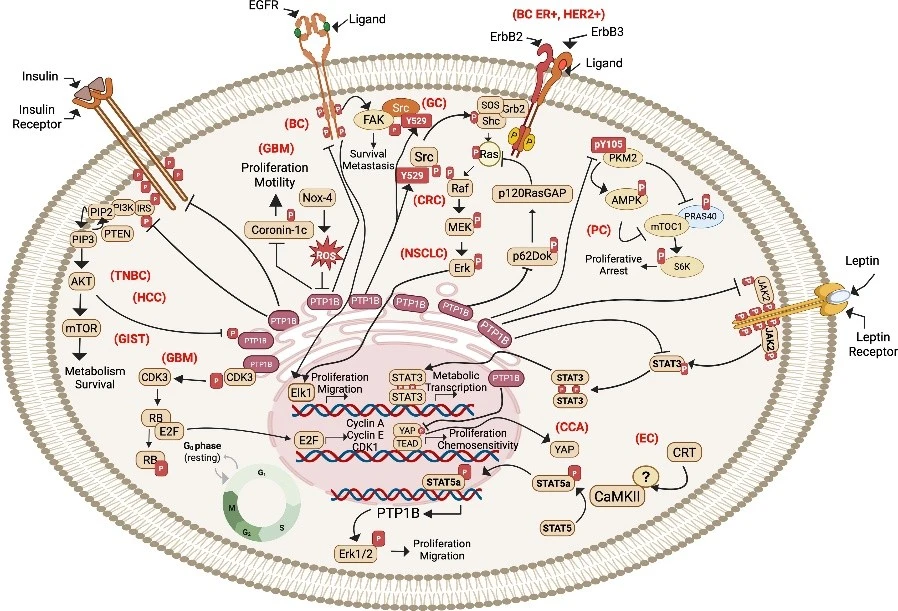
In Solid Tumors
PTP1B exhibits a clinical duality, acting as either an oncogene or a tumor suppressor depending on the tissue and signaling environment. It often drives tumor growth by activating the Src signaling pathway through dephosphorylation of its inhibitory tyrosine residue.
Breast Cancer (HER2+)
OncogenicRequired for HER2–driven transformation; activates ErbB2/ErbB3 signaling
Colorectal Cancer (CRC)
Promotes GrowthActivates Raf/mTORC1/PRAS40 pathway, stimulating proliferation
ER+ Breast Cancer
Tumor SuppressorActs as natural brake on estrogen signaling; inhibition may be detrimental
Glioblastoma (GBM)
Context‑DependentModulates STAT3, Cyclin A, and CDK3 in cell cycle regulation
In Alzheimer's Disease
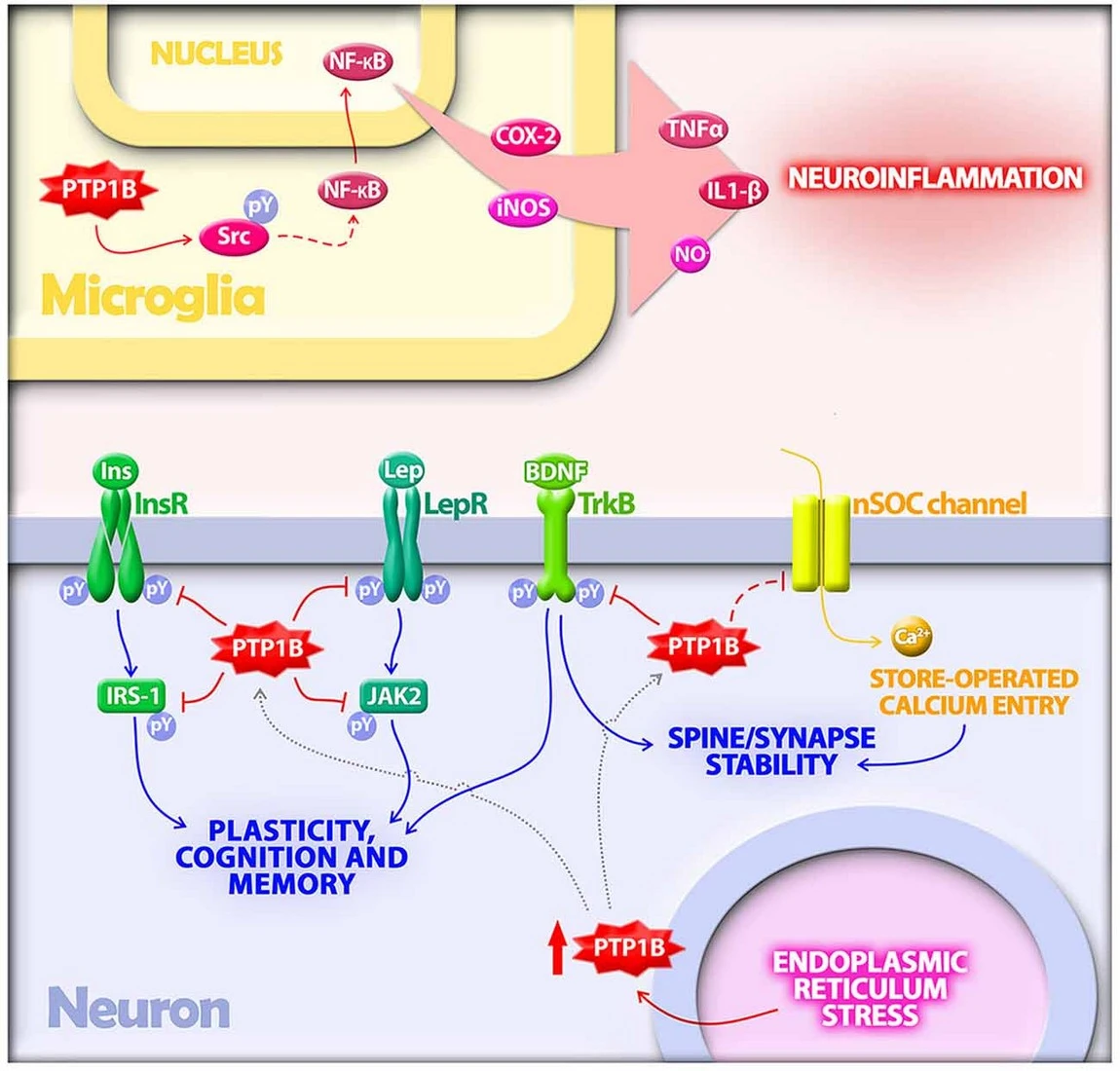
PTP1B is highly expressed in the brain, particularly in microglia, where it acts as a “molecular brake” on immune activation. Elevated PTP1B activity is linked to neuronal insulin and leptin resistance, which impairs cognitive function and promotes neuroinflammation.
● IRS‑2/AKT Pathway
● SYK–Phagocytosis Axis
● Neuroinflammation via NF‑κB
● Synaptic Stability & Cognition
Related Biomarkers
Studied Alongside PTP1B
These key biomarkers are frequently co-studied with PTPB1B, forming an interconnected signaling network across cancer, metabolic disease, and neurodegeneration.
Research Tools
OriGene Solutions For PTP1B Research
Comprehensive tools and reagents to advance your PTP1B research from discovery to validation.
Featured Product
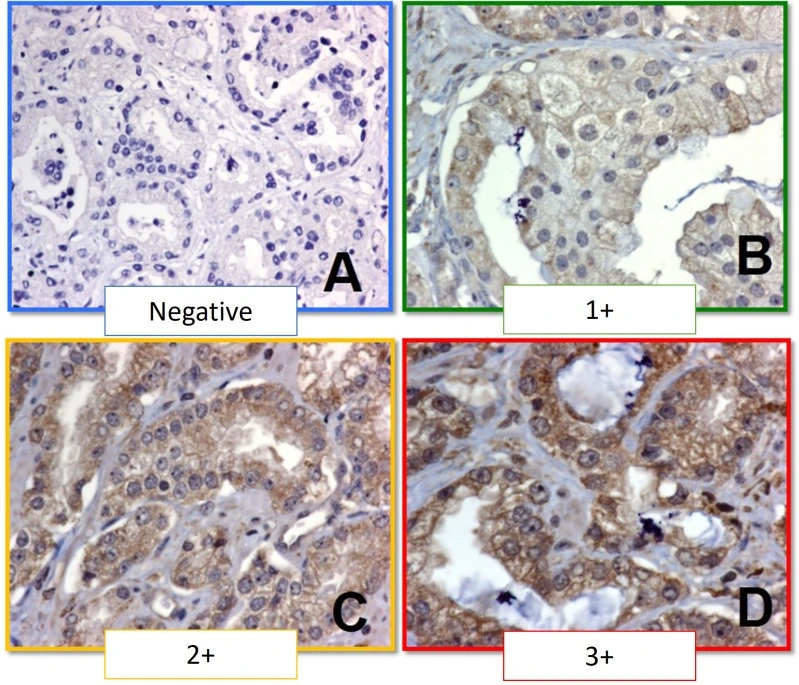
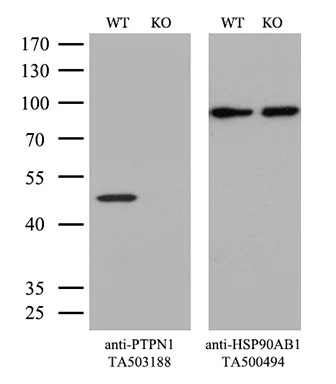
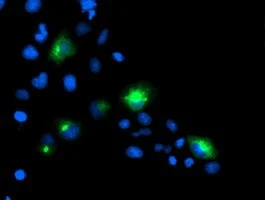
PTP1B (PTPN1) Mouse Monoclonal Antibody
Clone: OT12G3 .
Application: FC, IF, IHC, WB
Research Trends
Where the Field is Heading
Three major scientific directions are shaping the future of PTP1B research and the therapeutics.
Drug Discovery
Targeting the "Undruggable"
Because the catalytic site of PTPs is highly conserved and polar, PTP1B was long considered “undruggable”. Current research is shifting towards allosteric inhibitors that bind to non-catalytic sites, such as the C-terminal domain, to achieve better selectivity over similar phosphatases like TCPTP.
Allosteric inhibitors represent the new frontier in PTP1B targeting
Neuroscience
Metabolic–Neuro Link
A growing trend in studying PTP1B as the molecular link between type 2 diabetes, obesity, and Alzheimer’s Disease, suggesting that repurposing metabolic drugs or using PTP1B inhibitors could treat the “brain hypometabolism” seen in dementia.
Bridging T2D, obesity, and dementia through a single molecular target
Oncology
Precision Oncology
Research now emphasizes stratifying patients by tumor subtype, as PTP1B inhibition may benefit those with HER2‑positive breast cancer but could be detrimental in ER‑positive cases where the enzyme acts as a natural tumor suppressor.
Patient stratification is critical — benefit or harm depends on subtype
Ready to Advance Your Reaseach?
Explore our comprehensive PTP1B research solutions and discover how OriGene can support your breakthrough discoveries.
References
|
1 PTP1B Inhibition Promotes Microglial Phagocytosis in Alzheimer’s Disease Models by Enhancing SYK Signaling. Published in bioRxiv |
PubMed: 40501708 |
|
2 Protein Tyrosine Phosphatase 1B in Solid Tumors: Unraveling Its Clinical Significance. Published in Revista de Investigación Clínica |
PubMed: 41604870 |
|
3 Neuronal Protein Tyrosine Phosphatase 1B Hastens Amyloid β-Associated Alzheimer’s Disease in Mice. Published in The Journal of Neuroscience |
PubMed: 31915254 |
|
4 Protein Tyrosine Phosphatase 1B (PTP1B): A Potential Target for Alzheimer’s Therapy? Published in Frontiers in Aging Neuroscience |
PubMed: 28197094 |
|
5 Role of Protein Tyrosine Phosphatase 1B Inhibitor in Early Brain Injury of Subarachnoid Hemorrhage in Mice. Published in Brain Sciences |
PubMed: 37239288 |
