
Prkcd Mouse Gene Knockout Kit (CRISPR)
Specifications
| Product Data | |
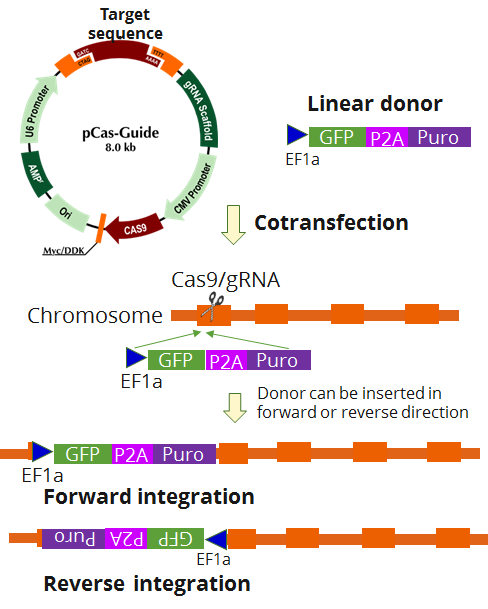
| Format | 2 gRNA vectors, 1 linear donor |
|---|---|
| Vector | EF1a-GFP-P2A-Puro |
| Target Symbol | Prkcd |
| Locus ID | 18753 |
| Components |
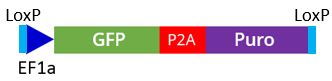
KN513882G1, Prkcd gRNA vector 1 in pCas-Guide CRISPR vector KN513882G2, Prkcd gRNA vector 2 in pCas-Guide CRISPR vector KN513882D, Linear donor DNA containing LoxP-EF1A-tGFP-P2A-Puro-LoxP: The sequence below is cassette sequence only. The linear donor DNA also contains proprietary target sequence. LoxP-EF1A-tGFP-P2A-Puro-LoxP (2739 bp) ATAACTTCGT ATAATGTATG CTATACGAAG TTATCGTGAG GCTCCGGTGC CCGTCAGTGG GCAGAGCGCA CATCGCCCAC AGTCCCCGAG AAGTTGGGGG GAGGGGTCGG CAATTGAACC GGTGCCTAGA GAAGGTGGCG CGGGGTAAAC TGGGAAAGTG ATGTCGTGTA CTGGCTCCGC CTTTTTCCCG AGGGTGGGGG AGAACCGTAT ATAAGTGCAG TAGTCGCCGT GAACGTTCTT TTTCGCAACG GGTTTGCCGC CAGAACACAG GTAAGTGCCG TGTGTGGTTC CCGCGGGCCT GGCCTCTTTA CGGGTTATGG CCCTTGCGTG CCTTGAATTA CTTCCACCTG GCTGCAGTAC GTGATTCTTG ATCCCGAGCT TCGGGTTGGA AGTGGGTGGG AGAGTTCGAG GCCTTGCGCT TAAGGAGCCC CTTCGCCTCG TGCTTGAGTT GAGGCCTGGC CTGGGCGCTG GGGCCGCCGC GTGCGAATCT GGTGGCACCT TCGCGCCTGT CTCGCTGCTT TCGATAAGTC TCTAGCCATT TAAAATTTTT GATGACCTGC TGCGACGCTT TTTTTCTGGC AAGATAGTCT TGTAAATGCG GGCCAAGATC TGCACACTGG TATTTCGGTT TTTGGGGCCG CGGGCGGCGA CGGGGCCCGT GCGTCCCAGC GCACATGTTC GGCGAGGCGG GGCCTGCGAG CGCGGCCACC GAGAATCGGA CGGGGGTAGT CTCAAGCTGG CCGGCCTGCT CTGGTGCCTG GCCTCGCGCC GCCGTGTATC GCCCCGCCCT GGGCGGCAAG GCTGGCCCGG TCGGCACCAG TTGCGTGAGC GGAAAGATGG CCGCTTCCCG GCCCTGCTGC AGGGAGCTCA AAATGGAGGA CGCGGCGCTC GGGAGAGCGG GCGGGTGAGT CACCCACACA AAGGAAAAGG GCCTTTCCGT CCTCAGCCGT CGCTTCATGT GACTCCACGG AGTACCGGGC GCCGTCCAGG CACCTCGATT AGTTCTCGAG CTTTTGGAGT ACGTCGTCTT TAGGTTGGGG GGAGGGGTTT TATGCGATGG AGTTTCCCCA CACTGAGTGG GTGGAGACTG AAGTTAGGCC AGCTTGGCAC TTGATGTAAT TCTCCTTGGA ATTTGCCCTT TTTGAGTTTG GATCTTGGTT CATTCTCAAG CCTCAGACAG TGGTTCAAAG TTTTTTTCTT CCATTTCAGG TGTCGTGAAT GGAGAGCGAC GAGAGCGGCC TGCCCGCCAT GGAGATCGAG TGCCGCATCA CCGGCACCCT GAACGGCGTG GAGTTCGAGC TGGTGGGCGG CGGAGAGGGC ACCCCCGAGC AGGGCCGCAT GACCAACAAG ATGAAGAGCA CCAAAGGCGC CCTGACCTTC AGCCCCTACC TGCTGAGCCA CGTGATGGGC TACGGCTTCT ACCACTTCGG CACCTACCCC AGCGGCTACG AGAACCCCTT CCTGCACGCC ATCAACAACG GCGGCTACAC CAACACCCGC ATCGAGAAGT ACGAGGACGG CGGCGTGCTG CACGTGAGCT TCAGCTACCG CTACGAGGCC GGCCGCGTGA TCGGCGACTT CAAGGTGATG GGCACCGGCT TCCCCGAGGA CAGCGTGATC TTCACCGACA AGATCATCCG CAGCAACGCC ACCGTGGAGC ACCTGCACCC CATGGGCGAT AACGATCTGG ATGGCAGCTT CACCCGCACC TTCAGCCTGC GCGACGGCGG CTACTACAGC TCCGTGGTGG ACAGCCACAT GCACTTCAAG AGCGCCATCC ACCCCAGCAT CCTGCAGAAC GGGGGCCCCA TGTTCGCCTT CCGCCGCGTG GAGGAGGATC ACAGCAACAC CGAGCTGGGC ATCGTGGAGT ACCAGCACGC CTTCAAGACC CCGGATGCAG ATGCCGGTGA AGAAAGAGGA AGCGGAGCTA CTAACTTCAG CCTGCTGAAG CAGGCTGGAG ACGTGGAGGA GAACCCTGGA CCTATGACCG AGTACAAGCC CACGGTGCGC CTCGCCACCC GCGACGACGT CCCCAGGGCC GTACGCACCC TCGCCGCCGC GTTCGCCGAC TACCCCGCCA CGCGCCACAC CGTCGATCCG GACCGCCACA TCGAGCGGGT CACCGAGCTG CAAGAACTCT TCCTCACGCG CGTCGGGCTC GACATCGGCA AGGTGTGGGT CGCGGACGAC GGCGCCGCGG TGGCGGTCTG GACCACGCCG GAGAGCGTCG AAGCGGGGGC GGTGTTCGCC GAGATCGGCC CGCGCATGGC CGAGTTGAGC GGTTCCCGGC TGGCCGCGCA GCAACAGATG GAAGGCCTCC TGGCGCCGCA CCGGCCCAAG GAGCCCGCGT GGTTCCTGGC CACCGTCGGC GTCTCGCCCG ACCACCAGGG CAAGGGTCTG GGCAGCGCCG TCGTGCTCCC CGGAGTGGAG GCGGCCGAGC GCGCCGGGGT GCCCGCCTTC CTGGAGACCT CCGCGCCCCG CAACCTCCCC TTCTACGAGC GGCTCGGCTT CACCGTCACC GCCGACGTCG AGGTGCCCGA AGGACCGCGC ACCTGGTGCA TGACCCGCAA GCCCGGTGCC TGAAACTTGT TTATTGCAGC TTATAATGGT TACAAATAAA GCAATAGCAT CACAAATTTC ACAAATAAAG CATTTTTTTC ACTGCATTCT AGTTGTGGTT TGTCCAAACT CATCAATGTA TCTTAATAAC TTCGTATAAT GTATGCTATA CGAAGTTAT
|
| OTI Disclaimer | These products are manufactured and supplied by OriGene under license from ERS. The kit is designed based on the best knowledge of CRISPR technology. The system has been functionally validated for knocking-in the cassette downstream the native promoter. The efficiency of the knock-out varies due to the nature of the biology and the complexity of the experimental process. |
| Reference Data | |
| RefSeq | NM_001310682, NM_011103 |
| UniProt ID | P28867 |
| Synonyms | AI385711; D14Ertd420e; Pkcd; PKCdelta; PKCd |
| Summary | Calcium-independent, phospholipid- and diacylglycerol (DAG)-dependent serine/threonine-protein kinase that plays contrasting roles in cell death and cell survival by functioning as a pro-apoptotic protein during DNA damage-induced apoptosis, but acting as an anti-apoptotic protein during cytokine receptor-initiated cell death, is involved in tumor suppression, is required for oxygen radical production by NADPH oxidase and acts as positive or negative regulator in platelet functional responses. Negatively regulates B cell proliferation and also has an important function in self-antigen induced B cell tolerance induction. Upon DNA damage, activates the promoter of the death-promoting transcription factor BCLAF1/Btf to trigger BCLAF1-mediated p53/TP53 gene transcription and apoptosis. In response to oxidative stress, interact with and activate CHUK/IKKA in the nucleus, causing the phosphorylation of p53/TP53. In the case of ER stress or DNA damage-induced apoptosis, can form a complex with the tyrosine-protein kinase ABL1 which trigger apoptosis independently of p53/TP53. In cytosol can trigger apoptosis by activating MAPK11 or MAPK14, inhibiting AKT1 and decreasing the level of X-linked inhibitor of apoptosis protein (XIAP), whereas in nucleus induces apoptosis via the activation of MAPK8 or MAPK9. Upon ionizing radiation treatment, is required for the activation of the apoptosis regulators BAX and BAK, which trigger the mitochondrial cell death pathway. Can phosphorylate MCL1 and target it for degradation which is sufficient to trigger for BAX activation and apoptosis. Is required for the control of cell cycle progression both at G1/S and G2/M phases. Mediates phorbol 12-myristate 13-acetate (PMA)-induced inhibition of cell cycle progression at G1/S phase by up-regulating the CDK inhibitor CDKN1A/p21 and inhibiting the cyclin CCNA2 promoter activity. In response to UV irradiation can phosphorylate CDK1, which is important for the G2/M DNA damage checkpoint activation. Can protect glioma cells from the apoptosis induced by TNFSF10/TRAIL, probably by inducing increased phosphorylation and subsequent activation of AKT1. Can also act as tumor suppressor upon mitogenic stimulation with PMA or TPA. In N-formyl-methionyl-leucyl-phenylalanine (fMLP)-treated cells, is required for NCF1 (p47-phox) phosphorylation and activation of NADPH oxidase activity, and regulates TNF-elicited superoxide anion production in neutrophils, by direct phosphorylation and activation of NCF1 or indirectly through MAPK1/3 (ERK1/2) signaling pathways. May also play a role in the regulation of NADPH oxidase activity in eosinophil after stimulation with IL5, leukotriene B4 or PMA. In collagen-induced platelet aggregation, acts a negative regulator of filopodia formation and actin polymerization by interacting with and negatively regulating VASP phosphorylation. Downstream of PAR1, PAR4 and CD36/GP4 receptors, regulates differentially platelet dense granule secretion; acts as a positive regulator in PAR-mediated granule secretion, whereas it negatively regulates CD36/GP4-mediated granule release. Phosphorylates MUC1 in the C-terminal and regulates the interaction between MUC1 and beta-catenin. The catalytic subunit phosphorylates 14-3-3 proteins (YWHAB, YWHAZ and YWHAH) in a sphingosine-dependent fashion. Phosphorylates ELAVL1 in response to angiotensin-2 treatment (By similarity).UniProtKB/Swiss-Prot Function |
| Shipping | Ambient |
Reviews


Documents
| Product Manuals |
| FAQs |
| SDS |
Resources
Other Versions
| SKU | Description | Size | Price | |
|---|---|---|---|---|
| GA203244 | Prkcd CRISPRa kit - CRISPR gene activation of mouse protein kinase C, delta | 1 kit |
$1,657.00
|
|
Citations
Related Products
- Price:
- Actual Price:
Welcome to OriGene AI!
I'm your AI-powered guide to everything OriGene.
Ask me anything:
- Product specs
- Ordering help
- Technical questions
- How to find exactly what your experiment needs
Prefer a live agent? Connect with us by clicking the green chat icon, as seen in the image below or email our team at custsupport@origene.com.
