
STAT3 (NM_139276) Human Tagged ORF Clone

SKU
RC215836
STAT3 (Myc-DDK-tagged)-Human signal transducer and activator of transcription 3 (acute-phase response factor) (STAT3), transcript variant 1

$1,057.00
In Stock*
Specifications
| Product Data | |
| Type | Human Tagged ORF Clone |
|---|---|
| Target Symbol | STAT3 |
| Synonyms | ADMIO; ADMIO1; APRF; HIES |
| Vector | pCMV6-Entry |
| E. coli Selection | Kanamycin (25 ug/mL) |
| Mammalian Cell Selection | Neomycin |
| Sequence Data | |
| Chromatograms |
Chromatograms
 Sequencher program is needed, download here |
| Restriction Sites |
SgfI-MluI Cloning Scheme for this gene
|
Plasmid Map

|
| ACCN | NM_139276 |
| ORF Size | 2310 bp |
| OTI Disclaimer | Due to the inherent nature of this plasmid, standard methods to replicate additional amounts of DNA in E. coli are highly likely to result in mutations and/or rearrangements. Therefore, OriGene does not guarantee the capability to replicate this plasmid DNA. Additional amounts of DNA can be purchased from OriGene with batch-specific, full-sequence verification at a reduced cost. Please contact our customer care team at custsupport@origene.com or by calling 301.340.3188 option 3 for pricing and delivery. The molecular sequence of this clone aligns with the gene accession number as a point of reference only. However, individual transcript sequences of the same gene can differ through naturally occurring variations (e.g. polymorphisms), each with its own valid existence. This clone is substantially in agreement with the reference, but a complete review of all prevailing variants is recommended prior to use. More info |
| OTI Annotation | This clone was engineered to express the complete ORF with an expression tag. Expression varies depending on the nature of the gene. |
| Components | The ORF clone is ion-exchange column purified and shipped in a 2D barcoded Matrix tube containing 10ug of transfection-ready, dried plasmid DNA (reconstitute with 100 ul of water). |
| Reconstitution Method | 1. Centrifuge at 5,000xg for 5min. 2. Carefully open the tube and add 100ul of sterile water to dissolve the DNA. 3. Close the tube and incubate for 10 minutes at room temperature. 4. Briefly vortex the tube and then do a quick spin (less than 5000xg) to concentrate the liquid at the bottom. 5. Store the suspended plasmid at -20°C. The DNA is stable for at least one year from date of shipping when stored at -20°C. |
| Note | Plasmids are not sterile. For experiments where strict sterility is required, filtration with 0.22um filter is required. |
| Shipping | Ambient |
| Reference Data | |
| RefSeq | NM_139276.3 |
| RefSeq Size | 4978 bp |
| RefSeq ORF | 2313 bp |
| Locus ID | 6774 |
| UniProt ID | P40763 |
| Cytogenetics | 17q21.2 |
| Domains | SH2, STAT |
| Protein Families | Druggable Genome, Transcription Factors |
| Protein Pathways | Acute myeloid leukemia, Adipocytokine signaling pathway, Chemokine signaling pathway, Jak-STAT signaling pathway, Pancreatic cancer, Pathways in cancer |
| MW | 87.9 kDa |
| Summary | The protein encoded by this gene is a member of the STAT protein family. In response to cytokines and growth factors, STAT family members are phosphorylated by the receptor associated kinases, and then form homo- or heterodimers that translocate to the cell nucleus where they act as transcription activators. This protein is activated through phosphorylation in response to various cytokines and growth factors including IFNs, EGF, IL5, IL6, HGF, LIF and BMP2. This protein mediates the expression of a variety of genes in response to cell stimuli, and thus plays a key role in many cellular processes such as cell growth and apoptosis. The small GTPase Rac1 has been shown to bind and regulate the activity of this protein. PIAS3 protein is a specific inhibitor of this protein. This gene also plays a role in regulating host response to viral and bacterial infections. Mutations in this gene are associated with infantile-onset multisystem autoimmune disease and hyper-immunoglobulin E syndrome. provided by RefSeq, Aug 2020 |
Reviews


Documents
| Product Manuals |
| FAQs |
| SDS |
Resources
"NM_139276" in other vectors (6)
| SKU | Description | Size | Price | |
|---|---|---|---|---|
| RC215836L1 | Lenti ORF clone of Human signal transducer and activator of transcription 3 (acute-phase response factor) (STAT3), transcript variant 1, Myc-DDK-tagged | 10 ug |
$1,357.00
|
|
| RC215836L2 | Lenti ORF clone of Human signal transducer and activator of transcription 3 (acute-phase response factor) (STAT3), transcript variant 1, mGFP tagged | 10 ug |
$1,357.00
|
|
| RC215836L3 | Lenti ORF clone of Human signal transducer and activator of transcription 3 (acute-phase response factor) (STAT3), transcript variant 1, Myc-DDK-tagged | 10 ug |
$1,357.00
|
|
| RC215836L4 | Lenti ORF clone of Human signal transducer and activator of transcription 3 (acute-phase response factor) (STAT3), transcript variant 1, mGFP tagged | 10 ug |
$1,357.00
|
|
| RG215836 | STAT3 (tGFP-tagged) - Human signal transducer and activator of transcription 3 (acute-phase response factor) (STAT3), transcript variant 1 | 10 ug |
$1,257.00
|
|
| SC124165 | STAT3 (untagged)-Human signal transducer and activator of transcription 3 (acute-phase response factor) (STAT3), transcript variant 1 | 10 ug |
$1,059.00
|
|
Citations
RNA-guided STAT3 modification fine tunes the epigenetic and epitranscriptomic regulation of CD4 + T helper cell differentiation during non-small cell lung cancer (NSCLC)
Bibi, George, Sarkar
Med Oncol (2025) 43 (2), 102 DOI: 10.1007/s12032-025-03230-1
Bibi, George, Sarkar
Med Oncol (2025) 43 (2), 102 DOI: 10.1007/s12032-025-03230-1
Cited by 2
The combination of SH003 and DTX induces cytotoxic cell infiltration in anti-PD1 resistant lung cancer
Choi, Lee, Kim et al
Cancer Immunol Immunother (2025) 74 (7), 198 DOI: 10.1007/s00262-025-04064-6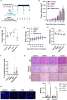
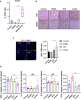
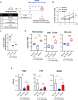
Choi, Lee, Kim et al
Cancer Immunol Immunother (2025) 74 (7), 198 DOI: 10.1007/s00262-025-04064-6
Cited by 8
AI Summary: OriGene products, specifically the pCMV6-AC-GFP control vector (PS100010) and STAT3 expression plasmid (RC215836), were used for transient transfection of LLC1 cells to investigate the molecular mechanisms underlying the effects of SH003 and docetaxel combination therapy in anti-PD1-resistant lung cancer.
Snippet: logy, MA, USA), and PD-L1 (Abcam, Cambridge, UK). Transfection LLC1 cells were seeded at a density of 1 × 10⁵ cells per well. Cells were transiently transfected with pCMV6-AC-GFP control vector (OriGene, PS100010, MD, USA) or STAT3 (OriGene, RC215836, MD, USA) using Lipofectamine 3000 reagent (Invitrogen, CA, USA) for 24 h. Following 24 h of SH003 and/or DTX treatment, the cells were harves
Ascorbic acid induces ferroptosis via STAT3/GPX4 signaling in oropharyngeal cancer
Wu, Liu, Wu et al
Free Radic Res (2024)
Wu, Liu, Wu et al
Free Radic Res (2024)
Cited by 20
AI Summary: OriGene products, including the vector (PS100001), pCMV6-STAT3 (RC215836), and pCMV6-GPX4 (RC208065), were used in this study to overexpress STAT3 and GPX4, enabling the authors to demonstrate that these proteins modulate ascorbic acid-induced ferroptosis in oropharyngeal cancer cells.
Snippet: vector (PS100001), pCMV6-STAT3 (RC215836), and pCMV6-GPX4 (RC208065) were from Origene (Rockville, MD, USA);Penicillin-Streptomycin Solution (C0222), N-acetyl-L-cysteine (NAC, S0077), Cell Counting Kit-8 (CCK-8, C0038), Cell Cycle Analysis Kit (C1052), DCFH-DA fluorescent probe (S0033S), BCA Protein Quantitation Kit (P0012), malondialdehyde assay kit (MDA, S0
Design, Synthesis, and Biological Activity of Marinacarboline Analogues as STAT3 Pathway Inhibitors for Docetaxel-Resistant Triple-Negative Breast Cancer
Byun, Lim, Hong et al
J Med Chem (2023) 66 (4), 3106-3133 DOI: 10.1021/acs.jmedchem.2c01115
Byun, Lim, Hong et al
J Med Chem (2023) 66 (4), 3106-3133 DOI: 10.1021/acs.jmedchem.2c01115
Cited by 42
AI Summary: OriGene products TurboFectin Transfection Reagent (#TF81001), pCMV6-STAT3 plasmid (#RC215836), and pCMV6-Entry control vector (#PS100001) were used to transfect MDA-MB-231 cells for investigating the role of STAT3 in docetaxel-resistant triple-negative breast cancer.
Snippet: Metastatic triple-negative breast cancer (mTNBC) is a fatal type of breast cancer (BC), and signal transducer and activator of transcription 3 (STAT3) has emerged as an Save;TurboFectin Transfection Reagent (#TF81001;Origene, Rockville, MD) was used to transfect parental MDA-MB-231 cells with pCMV6-STAT3 (#RC215836;Origene) or pCMV6-Entry control vector (#PS100001;Origine)
SHP-1/STAT3-Signaling-Axis-Regulated Coupling between BECN1 and SLC7A11 Contributes to Sorafenib-Induced Ferroptosis in Hepatocellular Carcinoma
Huang, Chen, Chen et al
Int J Mol Sci (2022) 23 (19) DOI: 10.3390/ijms231911092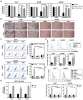
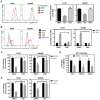
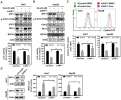
Huang, Chen, Chen et al
Int J Mol Sci (2022) 23 (19) DOI: 10.3390/ijms231911092
Cited by 54
AI Summary: OriGene products contributed to this study by providing the BECN1 (SR311964) and MCL1 (SR307374) siRNAs used for gene silencing experiments to investigate the molecular mechanisms underlying sorafenib-induced ferroptosis in hepatocellular carcinoma.
SHP-1/STAT3-Signaling-Axis-Regulated Coupling between BECN1 and SLC7A11 Contributes to Sorafenib-Induced Ferroptosis in Hepatocellular Carcinoma
Huang, Chen, Chen et al
IJMS (2022) 23 (19), 11092 DOI: 10.3390/ijms231911092
Huang, Chen, Chen et al
IJMS (2022) 23 (19), 11092 DOI: 10.3390/ijms231911092
Cited by 54
AI Summary: OriGene products—specifically the pCMV6-SHP-1-Myc-DDK plasmid (RC213896), pCMV6-STAT3-Myc-DDK plasmid (RC215836), and pCMV6-MCL1-Myc-DDK plasmid (RC200521)—were used to ectopically express SHP-1, STAT3, and MCL1, enabling the authors to investigate the molecular mechanisms underlying sorafenib-induced ferroptosis in hepatocellular carcinoma.
Snippet: were obtained from Dharmacon (Lafayette, CO, USA). Human pCMV6-SHP-1-Myc-DDK plasmid (RC213896), pCMV6-STAT3-Myc-DDK plasmid (RC215836), and pCMV6-MCL1-Myc-DDK plasmid (RC200521) were purchased from OriGene (Rockville, MD, USA). Lipofectamine 3000 reagent (L3000-015), C11-BODIPY (D3861), and RediPlate 96 EnzChek Tyrosine Phosphatase Assay kits (R22067) were obtained from Thermo Fisher Scientific
Showing 1-6 of 30 papers.
Powered by BizGenius
*Delivery time may vary from web posted schedule. Occasional delays may occur due to unforeseen
complexities in the preparation of your product. International customers may expect an additional 1-2 weeks
in shipping.
Related Products
- Price:
- Actual Price:
Welcome to OriGene AI!
I'm your AI-powered guide to everything OriGene.
Ask me anything:
- Product specs
- Ordering help
- Technical questions
- How to find exactly what your experiment needs
Prefer a live agent? Connect with us by clicking the green chat icon, as seen in the image below or email our team at custsupport@origene.com.
