
Gene Delivery 101: Comparing Viral and Non-Viral Vectors
Gene delivery is the foundation of modern biology. Over the past several decades, scientists have developed a wide range of delivery tools that underpin functional genomics, cell engineering, immuno-oncology, and gene therapy. For many years, scientists focused on methods that worked with the highest efficiency or precision. Today, as research moves closer to therapeutic applications, the question has shifted toward what works best for a specific biological system, balancing efficacy, durability, and safety.
At a broad level, gene delivery methods fall into two groups: viral vectors and non-viral vectors. (Figure 1) Viral vectors remain the most commonly used because they deliver genetic material efficiently and often support durable expression. At the same time, non-viral systems are gaining attention for their flexibility, speed, and safety advantages.
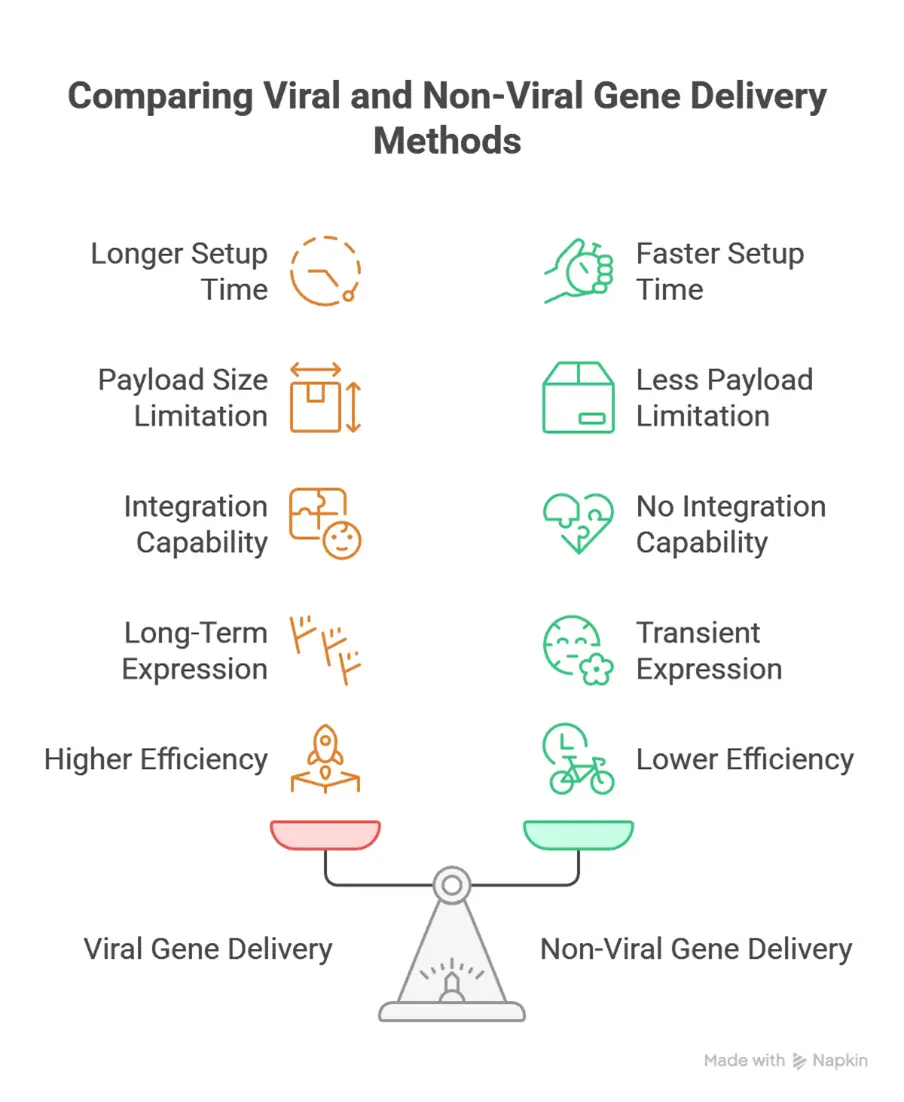
Figure 1. Viral vs. Non-Viral Gene Delivery: At a Glance
Viral Vectors: The Original Workhorse of Gene Delivery
Common viral systems include lentivirus, adeno-associated virus (AAV), adenovirus, and herpes simplex virus (HSV), each with distinct strengths and limitations.
Why researchers still rely on viral delivery
Viral vectors remain the gold standard when long-term, stable gene expression is required. Their ability to efficiently deliver genetic material—even into difficult-to-transfect cells—has made them indispensable in functional genomics and cell engineering workflows.
Viral vectors are effective because viruses have evolved specifically to deliver genetic material into host cells. This natural advantage translates into high transduction efficiency and, in many cases, long-lasting gene expression. Among viral systems, lentiviral vectors have become a cornerstone tool in basic research, particularly for stable cell line generation.
Lentiviruses are derived from HIV-1, a single-stranded RNA virus. In lab-designed lentiviral vectors, viral genes responsible for replication and pathogenicity are removed and replaced with a gene of interest flanked by long terminal repeats (LTRs). After infection, its RNA genome is reverse transcribed into DNA and integrated into the host cell genome, enabling stable and heritable gene expression. This property makes lentivirus especially valuable for long-term studies, selection-based assays, and cell engineering workflows. (Figure 2)
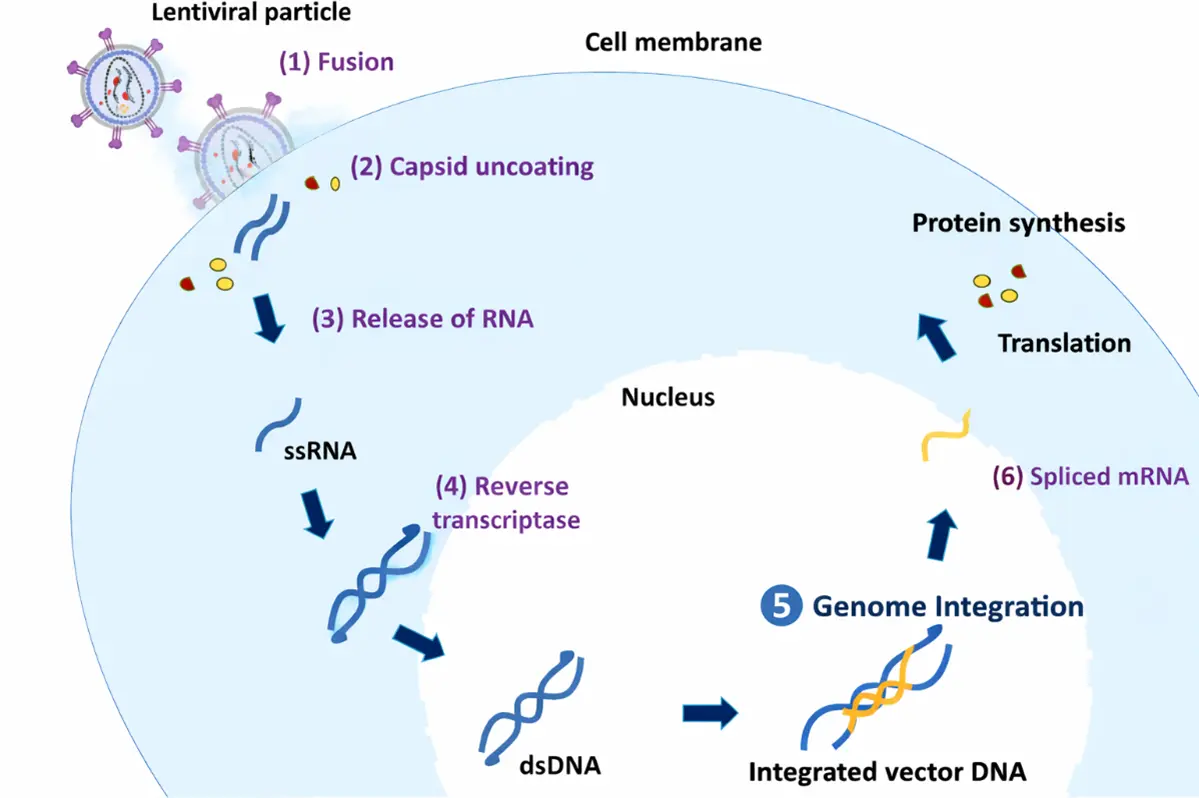
Figure 2. lentiviral delivery process
To broaden cell targeting and improve biosafety, lentiviral vectors are pseudotyped with VSV-G, a glycoprotein from vesicular stomatitis virus. This modification replaces the native HIV envelope. This modification removes the original CD4⁺ T cell tropism of HIV and allows lentivirus to transduce a wide range of dividing and non-dividing cells (Figure 3).
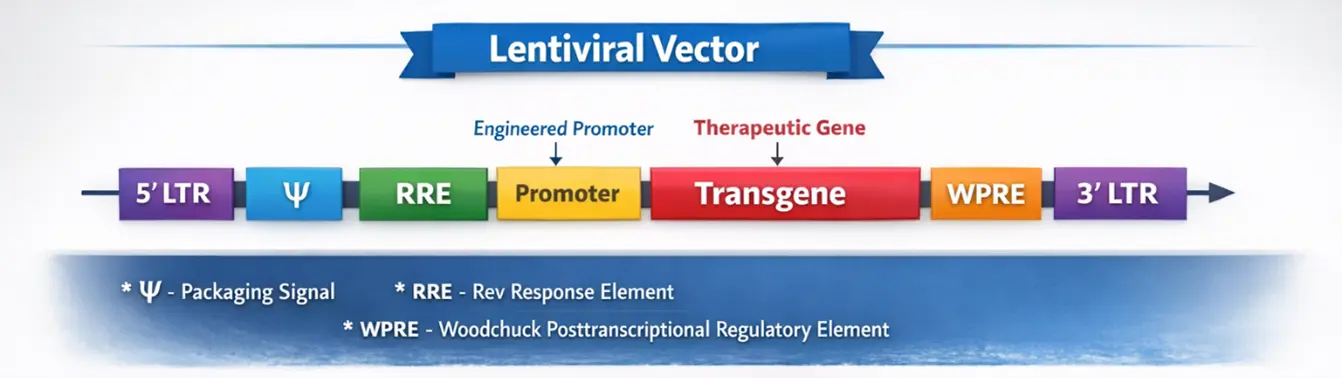
Figure 3. Lentiviral Genome
Despite these advantages, permanent genome integration also raises safety concerns. Integration events are mostly random, which can disrupt endogenous genes or regulatory elements. While modern SIN vector designs (partial deletion of U3 in LTR) significantly reduce these risks, the irreversibility of integration remains a key limitation for translational and therapeutic applications.
In parallel, AAV has emerged as the dominant viral platform in clinical gene therapy, accounting for a large proportion of active therapeutic pipelines. Unlike lentivirus, AAV vectors generally remain episomal (with integration reported only rarely), exhibit strong tissue tropism, and have a favorable safety profile. These features make AAV particularly attractive for in vivo applications where long-term expression without integration is desired. (Figure 4)
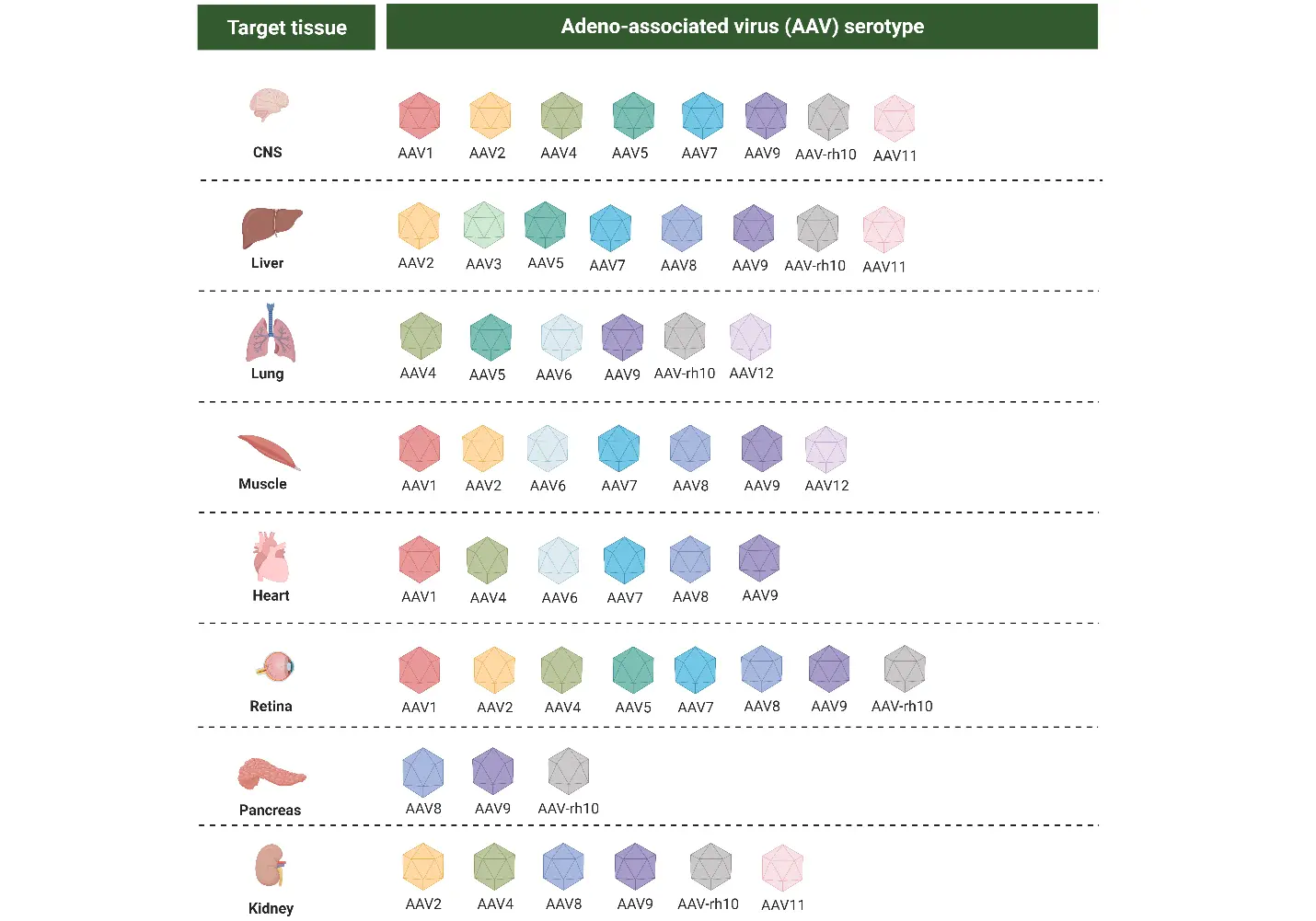
Figure 4. Tissue specific AAV serotypes
However, AAV delivery also presents challenges. Many individuals have pre-existing immunity to common AAV serotypes, and neutralizing antibodies often develop after the first administration. This can significantly reduce the effectiveness of subsequent doses, complicating both experimental design and regulatory approval.
Across viral platforms, additional practical limitations must be considered. Viral vectors impose strict payload size constraints, approximately 8–9 kb for lentiviral payloads and ~4.7 kb or less for AAV. In addition, viral workflows are inherently time- and labor-intensive, involving vector design, cloning, cell-based packaging, viral purification, and extensive quality control. These steps can slow experimental timelines and limit rapid iteration. (Figure 5)
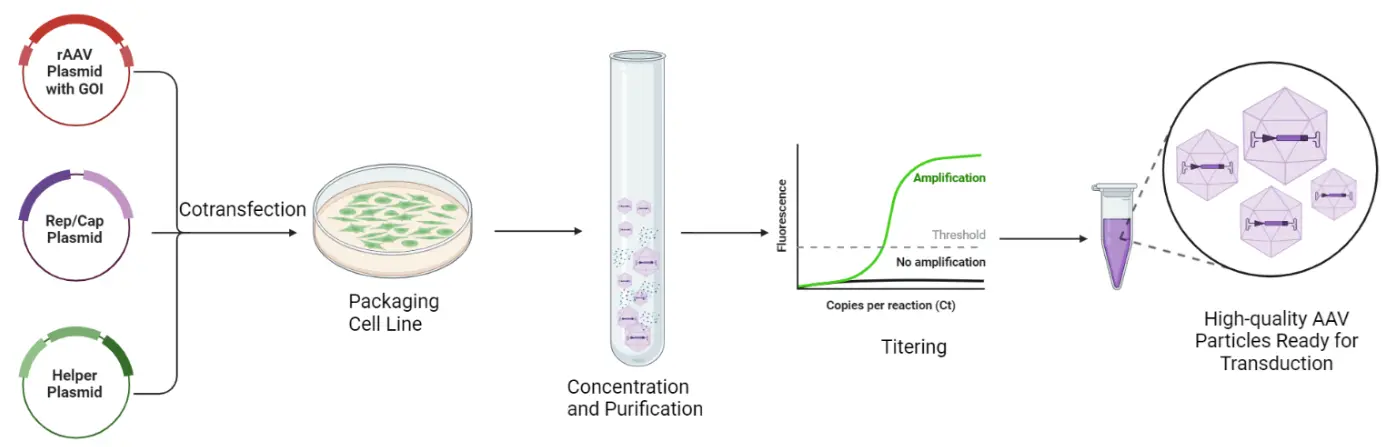
Figure 5, Viral Packaging Service at OriGene
Together, these factors explain the continued importance of viral vectors in basic research but are no longer the default choice for every application. They are still powerful tools, meanwhile, researchers are exploring other options that offer more flexibility.
Non-Viral Vectors:
Why non-viral delivery is rapidly gaining ground
As experimental timelines accelerate and safety considerations grow more important, many labs are turning to non-viral delivery systems. These platforms offer faster setup, fewer biosafety hurdles, and greater flexibility—especially for transient expression and rapid screening studies. In recent years, non-viral gene delivery has rapidly emerged as a major trend in the field. Compared with the lengthy experimental cycles required for viral cloning, packaging, and harvesting, non-viral delivery vehicles are generally less time- and labor-intensive.
One of the earliest non-viral methods is electroporation. Electroporation temporarily permeabilizes the cell membrane using short electrical pulses, allowing a wide range of payloads including plasmid DNA, mRNA, proteins, peptides, and CRISPR ribonucleoproteins (RNPs) to enter the cells. This versatility has made electroporation widely used in cells engineering such as T cells and hematopoietic stem cells, which are usually hard to transfect through reagents or viruses. For example, CRISPR-Cas9 RNP delivery via electroporation enables rapid genome editing without introducing exogenous DNA, reducing the risk of long-term genomic perturbation.
However, electroporation performance is highly system dependent. Delivery efficiency, cell viability, and reproducibility vary significantly across cell types, buffer conditions, and instrument settings. Electrical stress and proprietary electroporation buffers can damage sensitive cells, limiting scalability and translational potential. High upfront instrument costs and limited compatibility with in vivo applications further constrain broader adoption beyond controlled laboratory settings.
Among chemical and biochemical delivery platforms, lipid nanoparticles (LNPs) have become the most influential non-viral gene delivery technology. Ionizable lipids are designed to be neutral at physiological pH but positively charged inside acidic endosomes, enabling efficient nucleic acid encapsulation and intracellular release. LNPs have demonstrated exceptional performance in mRNA delivery, both in vitro and in vivo, and played a key role in mRNA vaccine development. In research, LNPs allows fast proof-of-concept studies, transient gene expression, and efficient delivery of mRNA or CRISPR components without permanent genomic integration.
A major limitation of current LNP technologies is biodistribution bias, particularly the strong accumulation in the liver and spleen. While advantageous for hepatic targets, this restricts delivery to other tissues, such as immune cells, the brain, or solid tumors. Emerging strategies aim to overcome this barrier through lipid structure engineering and surface functionalization. For example, modifying lipid tail chemistry can reduce liver uptake (“liver de-targeting”), adding targeting molecules (e.g. antibodies) to the particle surface can guide it to specific cell types or lineages. These advances are actively reshaping how non-viral systems are designed for precision delivery.
Beyond lipid-based systems, protein- and peptide-based synthetic nanoparticles represent another growing class of non-viral delivery platforms. These systems use short peptides or proteins to form small carriers that bind and transport cargo. Peptides are attractive because they are biocompatible and easy to design. Their sequences can be adjusted to control charge, stability, and cell interaction.
Many peptide-based systems rely on cell-penetrating peptides (CPPs), which are short peptides that can cross cell membranes on their own or through active uptake. CPP-mediated delivery is particularly appealing for protein and RNP delivery, where transient intracellular activity is preferred without prolonged expression. For example, CPP-conjugated CRISPR-Cas9 proteins1 enable rapid genome editing while minimizing immune activation and off-target effects associated with DNA-based expression systems.
While CPP-based systems are still improving, challenges remain in peptide design, stability, and endosomal escape. As these challenges are solved, peptide-based delivery is expected to play an increasingly important role in precise and transient gene modulation. Taken together, non-viral gene delivery systems offer speed, flexibility, and safety. While no single platform fits all needs, continued innovation in lipid chemistry, peptide engineering, and targeting strategies is rapidly closing the performance gap. Rather than replacing viral vectors, non-viral tools expand options and help researchers choose delivery methods that better match their goals.
| Attribute | Viral Vetors | Non-Viral Vectors |
|---|---|---|
| Speed of Setup | Slower (requires cloning, packaging, QC) | Faster (direct formulation or physical delivery) |
| Expression Duration | Often long-term or stable (integration or episomal persistence) | Typically transient (no integration) |
| Payload Size | Limited (Lenti: ~9kb; AAV: ~5kb) | More flexible (varies by system) |
| Genome Integration | Lentivirus integrates; AAV rarely integrates | No integration |
| Best Use Case | Stable cell lines, long-term studies, in vivo gene therapy | Rapid screening, CRISPR RNP delivery, transient expression |
| Biosafety Considerations | Higher regulatory oversight | Generally lower biosafety |
| Scalability & Iteration | More time-and labor-intensive | Easier for rapid iteration |
Table 1, Viral vs. Non-Viral Gene Delivery: Key Comparison
Vectors determine how genes enter cells—but payloads determine what happens next. The next post focuses on choosing the right payload.
Reference:
1: Chen, K., Stahl, E.C., Kang, M.H. et al. Engineering self-deliverable ribonucleoproteins for genome editing in the brain. Nat Commun 15, 1727 (2024). https://doi.org/10.1038/s41467-024-45998-2
