
TissueScan, Breast Cancer cDNA Array II
SKU
BCRT302
TissueScan Breast Cancer Tissue qPCR Panel II (5) containing five identical sets of 48 tissues covering four disease stages and normal tissues
New! ER, PR and HER2 in Clinical Info.
New! ER, PR and HER2 in Clinical Info.

$1,870.00
In Stock*
Specifications
Reviews


Documents
| Product Manuals |
| FAQs |
| SDS |
Citations
Amino acid restriction induces a long non-coding RNA UBA6-AS1 to regulate GCN2-mediated integrated stress response in breast cancer
Wu, Chen, Cheng et al
FASEB J (2022) 36 (3), e22201 DOI: 10.1096/fj.202101466R
Wu, Chen, Cheng et al
FASEB J (2022) 36 (3), e22201 DOI: 10.1096/fj.202101466R
AI Summary: OriGene's Breast cancer cDNA array (BCRT302) was used in this study to analyze gene expression in normal and tumor breast tissues, facilitating the investigation of UBA6-AS1 regulation in breast cancer.
Snippet: Breast cancer cDNA array containing normal breast tissue and breast tumor tissues was purchased from Origene (BCRT302, Rockville, MD, USA), and the quantitative
ABL1-dependent OTULIN phosphorylation promotes genotoxic Wnt/β-catenin activation to enhance drug resistance in breast cancers
Wang, Li, Ponnusamy et al
Nat Commun (2020) 11 (1), 3965 DOI: 10.1038/s41467-020-17770-9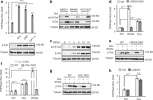
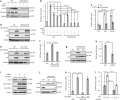
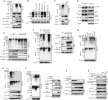
Wang, Li, Ponnusamy et al
Nat Commun (2020) 11 (1), 3965 DOI: 10.1038/s41467-020-17770-9
Cited by 62
AI Summary: In this study, OriGene’s OTULIN cDNA clone (Cat# RC217648) and OTULIN shRNA plasmids (Cat# TL316977) were used to manipulate OTULIN expression, enabling the authors to investigate its role in Wnt/β-catenin signaling and drug resistance in breast cancer cells.
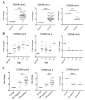
E2F6 is essential for cell viability in breast cancer cells during replication stress
Lafta
Turk J Biol (2019) 43 (5), 293-304 DOI: 10.3906/biy-1905-6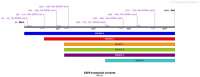
Lafta
Turk J Biol (2019) 43 (5), 293-304 DOI: 10.3906/biy-1905-6
Cited by 9
AI Summary: OriGene products, specifically E2F6 shRNA (Cat# TL313905) and E2F6 cDNA clone (Cat# SC124170), were used in this study to knock down and overexpress E2F6, respectively, enabling the authors to demonstrate that E2F6 is essential for the viability of breast cancer cells during replication stress.
E2F6 is essential for cell viability in breast cancer cells during replication stress
Lafta
Turk J Biol (2019) 43 (5), 293-304 DOI: 10.3906/biy-1905-6
Lafta
Turk J Biol (2019) 43 (5), 293-304 DOI: 10.3906/biy-1905-6
AI Summary: OriGene’s TissueScan Breast Cancer cDNA Array (BCRT302) was used in this study to assess E2F6 expression across a panel of breast tumor and normal tissue samples, enabling the authors to confirm E2F6 overexpression in breast cancers.
Snippet: No. BCRT302, Origene Technologies, Rockville, MD, USA). This tissue scan is composed of a panel of 43 cDNAs from breast tumor tissues representing four different TNM stages of breast cancer and 5 cDNA samples from adjacent normal breast tissues View as HTML
A novel histone H4 variant H4G regulates rDNA transcription in breast cancer
Long, Sun, Shi et al
Nucleic Acids Res. (2019) 47 (16), 8399-8409 DOI: 10.1093/nar/gkz547
Long, Sun, Shi et al
Nucleic Acids Res. (2019) 47 (16), 8399-8409 DOI: 10.1093/nar/gkz547
AI Summary: OriGene's Human Cancer Survey cDNA panel was used in this study to assess H4G expression levels across eight different tumor types, including breast cancer.
Snippet: Table S1). We then checked the expression levels of h4g using the human cancer survey cDNA panel (ORIGENE) contain- ing eight different tumors (breast, colon, kidney, liver, lung, ovary, prostate and thyroid). The results
The expression signature of cancer-associated KRAB-ZNF factors identified in TCGA pan-cancer transcriptomic data
Machnik, Cylwa, Kiełczewski et al
Mol Oncol (2019) 13 (4), 701-724 DOI: 10.1002/1878-0261.12407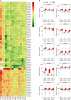
Machnik, Cylwa, Kiełczewski et al
Mol Oncol (2019) 13 (4), 701-724 DOI: 10.1002/1878-0261.12407
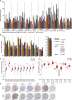
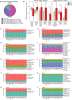
AI Summary: OriGene’s Breast Cancer cDNA Array II was used in this study to analyze KRAB-ZNF gene expression in breast cancer samples, enabling correlation with clinical and molecular patient data.
Snippet: To test KRAB‐ZNF expression in breast cancer, we used commercially available Breast Cancer cDNA Array II purchased from Origene (Rockville, MD, USA) that also provided the clinical and molecular information of patients from whom samples were collected
Showing 1-6 of 9 papers.
Powered by BizGenius
*Delivery time may vary from web posted schedule. Occasional delays may occur due to unforeseen
complexities in the preparation of your product. International customers may expect an additional 1-2 weeks
in shipping.
Related Products
- Price:
- Actual Price:
Welcome to OriGene AI!
I'm your AI-powered guide to everything OriGene.
Ask me anything:
- Product specs
- Ordering help
- Technical questions
- How to find exactly what your experiment needs
Prefer a live agent? Connect with us by clicking the green chat icon, as seen in the image below or email our team at custsupport@origene.com.
