
TissueScan, Breast Cancer cDNA Array II
SKU
BCRT102
48 samples covering 5-normal, 11-Stage I, 8-IIA, 6-IIB, 8-IIIA, 2-IIIB, 4-IIIC, 4-IV. Available in 2, 5, 10 identical plates.
New! ER, PR and HER2 in Clinical Info.
New! ER, PR and HER2 in Clinical Info.

$1,060.00
2 Weeks*
Specifications
Reviews


Documents
| Product Manuals |
| FAQs |
| SDS |
Citations
Integrative analysis of mRNA stability regulation uncovers a metastasis-suppressive program in breast cancer
Karner, Mittmann, Chen et al
Sci Adv (2026) 12 (11), eaea9061-eaea9061 DOI: 10.1126/sciadv.aea9061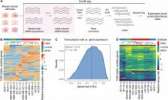
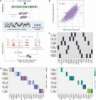
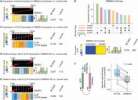
Karner, Mittmann, Chen et al
Sci Adv (2026) 12 (11), eaea9061-eaea9061 DOI: 10.1126/sciadv.aea9061
Cited by 1
AI Summary: OriGene’s breast cancer cDNA tissue panels (BCRT102, BCRT103) were used to measure TXNIP expression by qPCR across clinical breast cancer samples, enabling analysis of mRNA stability regulation in the study.
Snippet: >TXNIP expression using qPCR in 96 clinical samples across all stages of breast cancer, namely 5 normal epithelial, 23 stage I, 30 stage II, 29 stage III, and 9 stage IV metastatic biopsies (Origene, BCRT102, BCRT103), from which 90 samples yielded sufficient amount of cDNA. HPRT1 was used as an endogenous control and relative TXNIP expression levels were mea
Integrative analysis of mRNA stability regulation uncovers a metastasis-suppressive program in breast cancer
Karner, Mittmann, Chen et al
bioRxiv (2025)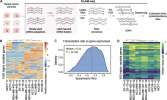
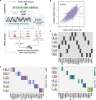
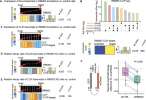
Karner, Mittmann, Chen et al
bioRxiv (2025)
Cited by 1
AI Summary: OriGene’s breast cancer cDNA panels (BCRT102, BCRT103) were used to measure TXNIP expression by qPCR across clinical samples, enabling the study to assess mRNA stability regulation in breast cancer progression.
Snippet: measured TXNIP expression using qPCR in 96 clinical samples across all stages of breast cancer, namely 5 normal epithelial, 23 stage I, 30 stage II, 29 stage III, and 9 stage IV metastatic biopsies (Origene, BCRT102, BCRT103), from which 90 samples yielded sufficient amount of cDNA. HPRT was used as an endogenous control and relative TXNIP expression levels were measured using the primers listed
CARM1 drives triple-negative breast cancer progression by coordinating with HIF1A
Feng, Gao, Liu et al
Protein Cell (2024)
Feng, Gao, Liu et al
Protein Cell (2024)
Cited by 30
AI Summary: OriGene’s Human Cancer Survey RT-qPCR gene expression panels (catalog number: BCRT102) were used in this study to analyze gene expression profiles related to CARM1’s role in triple-negative breast cancer progression.
Snippet: The human cancer survey RT-qPCR gene expression panels were from Origene (catalog number: BCRT102). TP-064 was purchased from Tocris (catalog number: 6008)
INPP4B promotes PI3Kα-dependent late endosome formation and Wnt/β-catenin signaling in breast cancer
Rodgers, Ooms, Oorschot et al
Nat Commun (2021) 12 (1), 3140 DOI: 10.1038/s41467-021-23241-6
Rodgers, Ooms, Oorschot et al
Nat Commun (2021) 12 (1), 3140 DOI: 10.1038/s41467-021-23241-6
Cited by 66
AI Summary: OriGene’s Tissue Scan Breast Cancer cDNA arrays I-IV (BCRT101, BCRT102, BCRT103, and BCRT104) were used to measure INPP4B mRNA expression in primary human breast cancer and normal tissues, contributing essential data for the study's analysis of INPP4B expression patterns.
Snippet: 1b, c). As mRNA expression data were not available for these cohorts, INPP4B mRNA expression was examined using Tissue Scan Breast Cancer cDNA arrays I-IV (OriGene) of 130 primary human breast cancers and 16 normal breast tissues (Fig. 1c);Breast cancer cDNA arrays (176 breast cancers and 16 tumor adjacent normal breast tissues) were purchased from OriGene (BCRT101, BCRT102, BCRT103, and BCRT104)
The long non-coding RNA GHSROS facilitates breast cancer cell migration and orthotopic xenograft tumour growth
Thomas, Seim, Jeffery et al
Int. J. Oncol. (2019)
Thomas, Seim, Jeffery et al
Int. J. Oncol. (2019)
Long non-coding RNA MIAT regulates apoptosis and the apoptotic response to chemotherapeutic agents in breast cancer cell lines
Almnaseer, Mourtada-Maarabouni
Biosci. Rep. (2018)
Almnaseer, Mourtada-Maarabouni
Biosci. Rep. (2018)
AI Summary: OriGene’s TissueScan™ qPCR Breast Cancer Disease Panels I, II, and IV (BCRT101, BCRT102, BCRT104) were used in this study to measure MIAT mRNA expression levels across various breast cancer samples, enabling the researchers to assess MIAT’s role in breast cancer progression and response to therapy.
Showing 1-6 of 13 papers.
Powered by BizGenius
*Delivery time may vary from web posted schedule. Occasional delays may occur due to unforeseen
complexities in the preparation of your product. International customers may expect an additional 1-2 weeks
in shipping.
Related Products
- Price:
- Actual Price:
Welcome to OriGene AI!
I'm your AI-powered guide to everything OriGene.
Ask me anything:
- Product specs
- Ordering help
- Technical questions
- How to find exactly what your experiment needs
Prefer a live agent? Connect with us by clicking the green chat icon, as seen in the image below or email our team at custsupport@origene.com.
