
STING (TMEM173) (NM_198282) Human Recombinant Protein


$867.00
In Stock*
Specifications
| Product Data | |
| Species | Human |
|---|---|
| Expression Host | HEK293 |
| Expression cDNA Clone or AA Sequence | |
| Tag | C-Myc/DDK |
| Predicted MW | 42 kDa |
| Concentration | >0.1 µg/µL as determined by microplate BCA method |
| Purity | > 80% as determined by SDS-PAGE and Coomassie blue staining |
| Buffer | 25 mM Tris-HCl, 100 mM glycine, pH 7.3, 10% glycerol |
| Preparation | Recombinant protein was captured through anti-DDK affinity column followed by conventional chromatography steps. |
| Note | For testing in cell culture applications, please filter before use. Note that you may experience some loss of protein during the filtration process. |
| Storage | Store at -80°C. |
| Stability | Stable for 12 months from the date of receipt of the product under proper storage and handling conditions. Avoid repeated freeze-thaw cycles. |
| Shipping | Dry Ice |
| Reference Data | |
| RefSeq | NP_938023 |
| Locus ID | 340061 |
| UniProt ID | Q86WV6 |
| Cytogenetics | 5q31.2 |
| RefSeq Size | 2223 |
| RefSeq ORF | 1137 |
| Synonyms | ERIS; hMITA; hSTING; MITA; MPYS; NET23; SAVI; STING; STING-beta; TMEM173 |
| Summary | This gene encodes a five transmembrane protein that functions as a major regulator of the innate immune response to viral and bacterial infections. The encoded protein is a pattern recognition receptor that detects cytosolic nucleic acids and transmits signals that activate type I interferon responses. The encoded protein has also been shown to play a role in apoptotic signaling by associating with type II major histocompatibility complex. Mutations in this gene are the cause of infantile-onset STING-associated vasculopathy. Alternate splicing results in multiple transcript variants. provided by RefSeq, Sep 2014 |
| Protein Categories | ADC Targets, Immune system diseases, Intracellular Proteins, Membrane Proteins |
| Protein Pathways | Cytosolic DNA-sensing pathway, RIG-I-like receptor signaling pathway |
Reviews


Documents
| FAQs |
| SDS |
Resources
| Recombinant Protein Resources |
Other "STING" proteins (3)
| SKU | Description | Size | Price | |
|---|---|---|---|---|
| PH308418 | TMEM173 MS Standard C13 and N15-labeled recombinant protein (NP_938023) | 10 ug |
$3,360.00
|
|
| LC405006 | Lyophilized TMEM173 HEK293T cell transient overexpression lysate (as WB positive control) | 20 ug |
$206.00
|
|
| LY405006 | Transient overexpression lysate of transmembrane protein 173 (TMEM173), nuclear gene encoding mitochondrial protein (as WB positive control) | 100 ug |
$436.00
|
|
Citations
ENPP3 drives ccRCC progression by cGAMP hydrolysis and STING-IFN suppression
Ma, Wu, Lin et al
Cancer Biol Ther (2026) 27 (1), 2632995 DOI: 10.1080/15384047.2026.2632995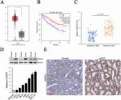
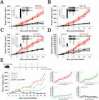
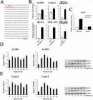
Ma, Wu, Lin et al
Cancer Biol Ther (2026) 27 (1), 2632995 DOI: 10.1080/15384047.2026.2632995
AI Summary: OriGene's recombinant human STING (TMEM173) protein (TP308418) was administered intraperitoneally to RCC4 xenograft-bearing mice to probe STING signaling in the anti-tumor effects of ENPP3 inhibition in ccRCC. This allowed the authors to link STING pathway engagement to changes in tumor-associated macrophage populations.
Snippet: ol (shNT) RCC4 xenografts (n = 3/group) were harvested at day 18;where indicated mice received three i.p. injections of 250 µg neutralizing (WT) STING (TP308418, Origene). Tumors were minced and digested, filtered, red-cell-lysed, and stained with Zombie-NIR (1:1000, 423106, BioLegend), F4/80-PE (1:200, 123111, BioLegend), CD206-APC-Cy7 (M1 macrophages, 1:200,
Redox regulation of neuroinflammatory pathways contributes to damage in Alzheimer's disease brain
Carnevale, Banerjee, Zhang et al
Cell Chem Biol (2026)
Carnevale, Banerjee, Zhang et al
Cell Chem Biol (2026)
Cited by 4
AI Summary: OriGene’s Recombinant human STING (TP308418) was used in this study to investigate the redox regulation of STING protein, helping to elucidate its role in neuroinflammatory pathways contributing to damage in Alzheimer’s disease.
Snippet: Protease inhibitor cocktail Roche 4693159001 Ambion Nuclease-Free Water Life Technologies Corporation AM9937 (+)-sodium L-ascorbate Sigma-Aldrich 11140 Recombinant human STING Origene TP308418 2,3-cGAMP APExBIO B8362 2,3-cGAMP InvivoGen Tlrl-nacga23s
Carnosic Acid Directly Targets STING C-Terminal Tail to Improve STING-Mediated Inflammatory Diseases
Mu, Xu, Li et al
Adv Sci (Weinh) (2025)
Mu, Xu, Li et al
Adv Sci (Weinh) (2025)
Cited by 20
AI Summary: OriGene’s purified human STING protein (Cat# TP308418) was used to assess the direct binding affinity of carnosic acid to STING, supporting the study’s investigation into carnosic acid’s mechanism of action.
Snippet: g affinity of CA or carnosol to purified human STING protein (TP308418, protein no: Q86WV6, OriGene) was determined using a Biacore T200 SPR instrument (GE, Health care) at 25 °C. All SPR-based materials were purchased from GE Healthcare. Protein was diluted in HEPES
Selenoprotein K enhances STING oligomerization to facilitate antiviral response
Lv, Chai, Wang et al
PLoS Pathog (2023) 19 (4), e1011314 DOI: 10.1371/journal.ppat.1011314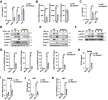
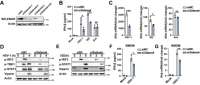
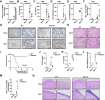
Lv, Chai, Wang et al
PLoS Pathog (2023) 19 (4), e1011314 DOI: 10.1371/journal.ppat.1011314
Cited by 19
AI Summary: OriGene's STING human recombinant protein (catalog number TP308418) was used in this study to investigate the role of Selenoprotein K in promoting STING oligomerization and enhancing antiviral immune responses.
Snippet: d from the China Center for Type Culture Collection. HSV-1 was gifted by X. Cao (Second Military Medical University, Shanghai, China). The STING human recombinant protein (TP308418) was obtained from Origene. Anti-STING (#13647), Anti-p-STING (#72971), anti-p-IRF3 (Ser396;#4947), anti-p-STAT1 (Tyr701;#9167), anti-cGAS (#31659), anti-HA (#3724), anti-streptavidin-HRP (#3999), and anti-rabbit IgG
Redox homeostasis maintained by GPX4 facilitates STING activation
Jia, Qin, Zhao et al
Nat. Immunol. (2020) 21 (7), 727-735 DOI: 10.1038/s41590-020-0699-0
Jia, Qin, Zhao et al
Nat. Immunol. (2020) 21 (7), 727-735 DOI: 10.1038/s41590-020-0699-0
Cited by 426
AI Summary: OriGene’s STING human recombinant protein (TP308418) was used in this study to investigate the mechanisms by which redox homeostasis, maintained by GPX4, facilitates STING activation in innate immune responses.
Snippet: … Redox homeostasis is the balance of oxidative and reducing reactions present in all living systems. Yet, how the;STING human recombinant protein (TP308418) was from Origene. …
Showing 1-5 of 5 papers.
Powered by BizGenius
*Delivery time may vary from web posted schedule. Occasional delays may occur due to unforeseen
complexities in the preparation of your product. International customers may expect an additional 1-2 weeks
in shipping.
Related Products
- Price:
- Actual Price:
Welcome to OriGene AI!
I'm your AI-powered guide to everything OriGene.
Ask me anything:
- Product specs
- Ordering help
- Technical questions
- How to find exactly what your experiment needs
Prefer a live agent? Connect with us by clicking the green chat icon, as seen in the image below or email our team at custsupport@origene.com.
