
Park7 Mouse Gene Knockout Kit (CRISPR)
Specifications
| Product Data | |
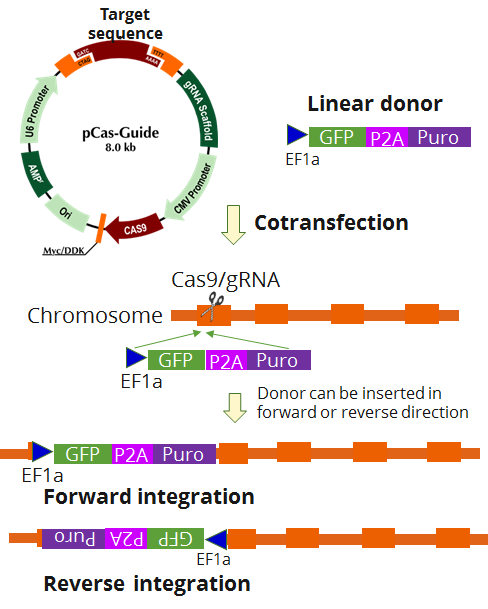
| Format | 2 gRNA vectors, 1 linear donor |
|---|---|
| Vector | EF1a-GFP-P2A-Puro |
| Target Symbol | Park7 |
| Locus ID | 57320 |
| Components |
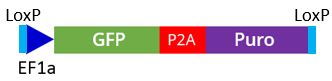
KN512815G1, Park7 gRNA vector 1 in pCas-Guide CRISPR vector, Target Sequence: CAGGATGACCAGAGCTCTTT KN512815G2, Park7 gRNA vector 2 in pCas-Guide CRISPR vector, Target Sequence: TTATGTGACACGGTGAGCAT KN512815D, Linear donor DNA containing LoxP-EF1A-tGFP-P2A-Puro-LoxP: The sequence below is cassette sequence only. The linear donor DNA also contains proprietary target sequence. LoxP-EF1A-tGFP-P2A-Puro-LoxP (2739 bp) ATAACTTCGT ATAATGTATG CTATACGAAG TTATCGTGAG GCTCCGGTGC CCGTCAGTGG GCAGAGCGCA CATCGCCCAC AGTCCCCGAG AAGTTGGGGG GAGGGGTCGG CAATTGAACC GGTGCCTAGA GAAGGTGGCG CGGGGTAAAC TGGGAAAGTG ATGTCGTGTA CTGGCTCCGC CTTTTTCCCG AGGGTGGGGG AGAACCGTAT ATAAGTGCAG TAGTCGCCGT GAACGTTCTT TTTCGCAACG GGTTTGCCGC CAGAACACAG GTAAGTGCCG TGTGTGGTTC CCGCGGGCCT GGCCTCTTTA CGGGTTATGG CCCTTGCGTG CCTTGAATTA CTTCCACCTG GCTGCAGTAC GTGATTCTTG ATCCCGAGCT TCGGGTTGGA AGTGGGTGGG AGAGTTCGAG GCCTTGCGCT TAAGGAGCCC CTTCGCCTCG TGCTTGAGTT GAGGCCTGGC CTGGGCGCTG GGGCCGCCGC GTGCGAATCT GGTGGCACCT TCGCGCCTGT CTCGCTGCTT TCGATAAGTC TCTAGCCATT TAAAATTTTT GATGACCTGC TGCGACGCTT TTTTTCTGGC AAGATAGTCT TGTAAATGCG GGCCAAGATC TGCACACTGG TATTTCGGTT TTTGGGGCCG CGGGCGGCGA CGGGGCCCGT GCGTCCCAGC GCACATGTTC GGCGAGGCGG GGCCTGCGAG CGCGGCCACC GAGAATCGGA CGGGGGTAGT CTCAAGCTGG CCGGCCTGCT CTGGTGCCTG GCCTCGCGCC GCCGTGTATC GCCCCGCCCT GGGCGGCAAG GCTGGCCCGG TCGGCACCAG TTGCGTGAGC GGAAAGATGG CCGCTTCCCG GCCCTGCTGC AGGGAGCTCA AAATGGAGGA CGCGGCGCTC GGGAGAGCGG GCGGGTGAGT CACCCACACA AAGGAAAAGG GCCTTTCCGT CCTCAGCCGT CGCTTCATGT GACTCCACGG AGTACCGGGC GCCGTCCAGG CACCTCGATT AGTTCTCGAG CTTTTGGAGT ACGTCGTCTT TAGGTTGGGG GGAGGGGTTT TATGCGATGG AGTTTCCCCA CACTGAGTGG GTGGAGACTG AAGTTAGGCC AGCTTGGCAC TTGATGTAAT TCTCCTTGGA ATTTGCCCTT TTTGAGTTTG GATCTTGGTT CATTCTCAAG CCTCAGACAG TGGTTCAAAG TTTTTTTCTT CCATTTCAGG TGTCGTGAAT GGAGAGCGAC GAGAGCGGCC TGCCCGCCAT GGAGATCGAG TGCCGCATCA CCGGCACCCT GAACGGCGTG GAGTTCGAGC TGGTGGGCGG CGGAGAGGGC ACCCCCGAGC AGGGCCGCAT GACCAACAAG ATGAAGAGCA CCAAAGGCGC CCTGACCTTC AGCCCCTACC TGCTGAGCCA CGTGATGGGC TACGGCTTCT ACCACTTCGG CACCTACCCC AGCGGCTACG AGAACCCCTT CCTGCACGCC ATCAACAACG GCGGCTACAC CAACACCCGC ATCGAGAAGT ACGAGGACGG CGGCGTGCTG CACGTGAGCT TCAGCTACCG CTACGAGGCC GGCCGCGTGA TCGGCGACTT CAAGGTGATG GGCACCGGCT TCCCCGAGGA CAGCGTGATC TTCACCGACA AGATCATCCG CAGCAACGCC ACCGTGGAGC ACCTGCACCC CATGGGCGAT AACGATCTGG ATGGCAGCTT CACCCGCACC TTCAGCCTGC GCGACGGCGG CTACTACAGC TCCGTGGTGG ACAGCCACAT GCACTTCAAG AGCGCCATCC ACCCCAGCAT CCTGCAGAAC GGGGGCCCCA TGTTCGCCTT CCGCCGCGTG GAGGAGGATC ACAGCAACAC CGAGCTGGGC ATCGTGGAGT ACCAGCACGC CTTCAAGACC CCGGATGCAG ATGCCGGTGA AGAAAGAGGA AGCGGAGCTA CTAACTTCAG CCTGCTGAAG CAGGCTGGAG ACGTGGAGGA GAACCCTGGA CCTATGACCG AGTACAAGCC CACGGTGCGC CTCGCCACCC GCGACGACGT CCCCAGGGCC GTACGCACCC TCGCCGCCGC GTTCGCCGAC TACCCCGCCA CGCGCCACAC CGTCGATCCG GACCGCCACA TCGAGCGGGT CACCGAGCTG CAAGAACTCT TCCTCACGCG CGTCGGGCTC GACATCGGCA AGGTGTGGGT CGCGGACGAC GGCGCCGCGG TGGCGGTCTG GACCACGCCG GAGAGCGTCG AAGCGGGGGC GGTGTTCGCC GAGATCGGCC CGCGCATGGC CGAGTTGAGC GGTTCCCGGC TGGCCGCGCA GCAACAGATG GAAGGCCTCC TGGCGCCGCA CCGGCCCAAG GAGCCCGCGT GGTTCCTGGC CACCGTCGGC GTCTCGCCCG ACCACCAGGG CAAGGGTCTG GGCAGCGCCG TCGTGCTCCC CGGAGTGGAG GCGGCCGAGC GCGCCGGGGT GCCCGCCTTC CTGGAGACCT CCGCGCCCCG CAACCTCCCC TTCTACGAGC GGCTCGGCTT CACCGTCACC GCCGACGTCG AGGTGCCCGA AGGACCGCGC ACCTGGTGCA TGACCCGCAA GCCCGGTGCC TGAAACTTGT TTATTGCAGC TTATAATGGT TACAAATAAA GCAATAGCAT CACAAATTTC ACAAATAAAG CATTTTTTTC ACTGCATTCT AGTTGTGGTT TGTCCAAACT CATCAATGTA TCTTAATAAC TTCGTATAAT GTATGCTATA CGAAGTTAT
|
| OTI Disclaimer | These products are manufactured and supplied by OriGene under license from ERS. The kit is designed based on the best knowledge of CRISPR technology. The system has been functionally validated for knocking-in the cassette downstream the native promoter. The efficiency of the knock-out varies due to the nature of the biology and the complexity of the experimental process. |
| Reference Data | |
| RefSeq | NM_020569 |
| UniProt ID | Q99LX0 |
| Synonyms | DJ-1; Dj1 |
| Summary | Protein and nucleotide deglycase that catalyzes the deglycation of the Maillard adducts formed between amino groups of proteins or nucleotides and reactive carbonyl groups of glyoxals. Thus, functions as a protein deglycase that repairs methylglyoxal- and glyoxal-glycated proteins, and releases repaired proteins and lactate or glycolate, respectively. Deglycates cysteine, arginine and lysine residues in proteins, and thus reactivates these proteins by reversing glycation by glyoxals. Acts on early glycation intermediates (hemithioacetals and aminocarbinols), preventing the formation of advanced glycation endproducts (AGE) that cause irreversible damage. Also functions as a nucleotide deglycase able to repair glycated guanine in the free nucleotide pool (GTP, GDP, GMP, dGTP) and in DNA and RNA. Is thus involved in a major nucleotide repair system named guanine glycation repair (GG repair), dedicated to reversing methylglyoxal and glyoxal damage via nucleotide sanitization and direct nucleic acid repair (By similarity). Also displays an apparent glyoxalase activity that in fact reflects its deglycase activity (PubMed:22523093). Plays an important role in cell protection against oxidative stress and cell death acting as oxidative stress sensor and redox-sensitive chaperone and protease; functions probably related to its primary function (PubMed:15784737, PubMed:17015834, PubMed:20800516, PubMed:21068725). It is involved in neuroprotective mechanisms like the stabilization of NFE2L2 and PINK1 proteins, male fertility as a positive regulator of androgen signaling pathway as well as cell growth and transformation through, for instance, the modulation of NF-kappa-B signaling pathway (PubMed:17015834, PubMed:21097510). Eliminates hydrogen peroxide and protects cells against hydrogen peroxide-induced cell death (PubMed:17766438). Required for correct mitochondrial morphology and function as well as for autophagy of dysfunctional mitochondria (PubMed:20186336). Plays a role in regulating expression or stability of the mitochondrial uncoupling proteins SLC25A14 and SLC25A27 in dopaminergic neurons of the substantia nigra pars compacta and attenuates the oxidative stress induced by calcium entry into the neurons via L-type channels during pacemaking (PubMed:21068725). Regulates astrocyte inflammatory responses, may modulate lipid rafts-dependent endocytosis in astrocytes and neuronal cells (PubMed:23847046, PubMed:19276172). In pancreatic islets, involved in the maintenance of mitochondrial reactive oxygen species (ROS) levels and glucose homeostasis in an age- and diet dependent manner (PubMed:22611253). Protects pancreatic beta cells from cell death induced by inflammatory and cytotoxic setting (PubMed:26422139). Binds to a number of mRNAs containing multiple copies of GG or CC motifs and partially inhibits their translation but dissociates following oxidative stress (By similarity). Metal-binding protein able to bind copper as well as toxic mercury ions, enhances the cell protection mechanism against induced metal toxicity (PubMed:23792957). In macrophages, interacts with the NADPH oxidase subunit NCF1 to direct NADPH oxidase-dependent ROS production, and protects against sepsis (PubMed:26021615).UniProtKB/Swiss-Prot Function |
| Shipping | Ambient |
Reviews


Documents
| Product Manuals |
| FAQs |
| SDS |
Resources
Other Versions
| SKU | Description | Size | Price | |
|---|---|---|---|---|
| GA206164 | Park7 CRISPRa kit - CRISPR gene activation of mouse Parkinson disease (autosomal recessive, early onset) 7 | 1 kit |
$1,657.00
|
|
Citations
Related Products
- Price:
- Actual Price:
Welcome to OriGene AI!
I'm your AI-powered guide to everything OriGene.
Ask me anything:
- Product specs
- Ordering help
- Technical questions
- How to find exactly what your experiment needs
Prefer a live agent? Connect with us by clicking the green chat icon, as seen in the image below or email our team at custsupport@origene.com.
