
TLR4 (NM_138554) Human Recombinant Protein


$9,200.00
6 Weeks*
Specifications
| Product Data | |
| Species | Human |
|---|---|
| Expression Host | HEK293 |
| Expression cDNA Clone or AA Sequence | |
| Tag | C-Myc/DDK |
| Predicted MW | 93.2 kDa |
| Concentration | >0.05 µg/µL as determined by microplate BCA method |
| Purity | > 80% as determined by SDS-PAGE and Coomassie blue staining |
| Buffer | 25 mM Tris-HCl, 100 mM glycine, pH 7.3, 10% glycerol |
| Preparation | Recombinant protein was captured through anti-DDK affinity column followed by conventional chromatography steps. |
| Note | For testing in cell culture applications, please filter before use. Note that you may experience some loss of protein during the filtration process. |
| Storage | Store at -80°C. |
| Stability | Stable for 12 months from the date of receipt of the product under proper storage and handling conditions. Avoid repeated freeze-thaw cycles. |
| Shipping | Dry Ice |
| Reference Data | |
| RefSeq | NP_612564 |
| Locus ID | 7099 |
| UniProt ID | O00206 |
| Cytogenetics | 9q33.1 |
| RefSeq Size | 5503 |
| RefSeq ORF | 2517 |
| Synonyms | ARMD10; CD284; TLR-4; TOLL |
| Summary | The protein encoded by this gene is a member of the Toll-like receptor (TLR) family which plays a fundamental role in pathogen recognition and activation of innate immunity. TLRs are highly conserved from Drosophila to humans and share structural and functional similarities. They recognize pathogen-associated molecular patterns that are expressed on infectious agents, and mediate the production of cytokines necessary for the development of effective immunity. The various TLRs exhibit different patterns of expression. In silico studies have found a particularly strong binding of surface TLR4 with the spike protein of severe acute respiratory syndrome coronavirus 2 (SARS-CoV-2), the causative agent of Coronavirus disease-2019 (COVID-19). This receptor has also been implicated in signal transduction events induced by lipopolysaccharide (LPS) found in most gram-negative bacteria. Mutations in this gene have been associated with differences in LPS responsiveness, and with susceptibility to age-related macular degeneration. Multiple transcript variants encoding different isoforms have been found for this gene. provided by RefSeq, Aug 2020 |
| Protein Categories | CD Markers, Chemokines, Cytokines, Growth Factors, Intracellular Proteins, Membrane Proteins, Nervous system Diseases |
| Protein Families | Druggable Genome, Transmembrane |
| Protein Pathways | Pathogenic Escherichia coli infection, Toll-like receptor signaling pathway |
Reviews


Documents
| FAQs |
| SDS |
Resources
| Recombinant Protein Resources |
Citations
A neuroimmune pathway drives bacterial infection
Wang, Liu, Wu et al
Sci Adv (2025) 11 (18), eadr2226 DOI: 10.1126/sciadv.adr2226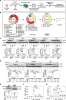
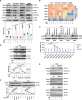
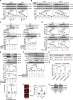
Wang, Liu, Wu et al
Sci Adv (2025) 11 (18), eadr2226 DOI: 10.1126/sciadv.adr2226
Cited by 10
AI Summary: OriGene’s recombinant DRD2 (rDRD2) and recombinant TLR4 (rTLR4) proteins were used in surface plasmon resonance assays to investigate the direct interaction between DRD2 and TLR4, helping to elucidate the neuroimmune mechanisms underlying bacterial sepsis described in the study.
Snippet: a luciferase activity. Surface plasmon resonance assay Surface plasmon resonance assay was used to investigate the interactions between recombinant DRD2 (rDRD2) and recombinant TLR4 (rTLR4) proteins (OriGene) using a Biacore system. Briefly, rTLR4 was immobilized onto a CM5 sensor chip through amine coupling. The chip was activated with N-hydroxysuccinimide (NHS) and 1-ethyl-3-(3-dimethylaminoprop
Showing 1-1 of 1 papers.
Powered by BizGenius
*Delivery time may vary from web posted schedule. Occasional delays may occur due to unforeseen
complexities in the preparation of your product. International customers may expect an additional 1-2 weeks
in shipping.
Related Products
- Price:
- Actual Price:
Welcome to OriGene AI!
I'm your AI-powered guide to everything OriGene.
Ask me anything:
- Product specs
- Ordering help
- Technical questions
- How to find exactly what your experiment needs
Prefer a live agent? Connect with us by clicking the green chat icon, as seen in the image below or email our team at custsupport@origene.com.
