
Tissue Factor (F3) (NM_001993) Human Recombinant Protein

SKU
TP303142
Recombinant protein of human coagulation factor III (thromboplastin, tissue factor) (F3), 20 µg

$737.00
In Stock*
Specifications
| Product Data | |
| Species | Human |
|---|---|
| Expression Host | HEK293 |
| Expression cDNA Clone or AA Sequence | |
| Tag | C-Myc/DDK |
| Predicted MW | 29.5 kDa |
| Concentration | >0.05 µg/µL as determined by microplate BCA method |
| Purity | > 80% as determined by SDS-PAGE and Coomassie blue staining |
| Buffer | 25 mM Tris-HCl, 100 mM glycine, pH 7.3, 10% glycerol |
| Preparation | Recombinant protein was captured through anti-DDK affinity column followed by conventional chromatography steps. |
| Note | For testing in cell culture applications, please filter before use. Note that you may experience some loss of protein during the filtration process. |
| Storage | Store at -80°C. |
| Stability | Stable for 12 months from the date of receipt of the product under proper storage and handling conditions. Avoid repeated freeze-thaw cycles. |
| Shipping | Dry Ice |
| Reference Data | |
| RefSeq | NP_001984 |
| Locus ID | 2152 |
| UniProt ID | P13726 |
| Cytogenetics | 1p21.3 |
| RefSeq Size | 2393 |
| RefSeq ORF | 885 |
| Synonyms | CD142; TF; TFA |
| Summary | This gene encodes coagulation factor III which is a cell surface glycoprotein. This factor enables cells to initiate the blood coagulation cascades, and it functions as the high-affinity receptor for the coagulation factor VII. The resulting complex provides a catalytic event that is responsible for initiation of the coagulation protease cascades by specific limited proteolysis. Unlike the other cofactors of these protease cascades, which circulate as nonfunctional precursors, this factor is a potent initiator that is fully functional when expressed on cell surfaces, for example, on monocytes. There are 3 distinct domains of this factor: extracellular, transmembrane, and cytoplasmic. Platelets and monocytes have been shown to express this coagulation factor under procoagulatory and proinflammatory stimuli, and a major role in HIV-associated coagulopathy has been described. Platelet-dependent monocyte expression of coagulation factor III has been described to be associated with Coronavirus Disease 2019 (COVID-19) severity and mortality. This protein is the only one in the coagulation pathway for which a congenital deficiency has not been described. Alternate splicing results in multiple transcript variants.provided by RefSeq, Aug 2020 |
| Protein Categories | ADC Targets, CD Markers, Cytokines, Growth Factors, Membrane Proteins, Secreated Proteins |
| Protein Families | Druggable Genome, Transmembrane |
| Protein Pathways | Complement and coagulation cascades |
Reviews


Documents
| FAQs |
| SDS |
Resources
| Recombinant Protein Resources |
Other "Tissue Factor" proteins (3)
| SKU | Description | Size | Price | |
|---|---|---|---|---|
| PH303142 | F3 MS Standard C13 and N15-labeled recombinant protein (NP_001984) | 10 ug |
$3,360.00
|
|
| TP504046 | Purified recombinant protein of Mouse coagulation factor III (F3), with C-terminal MYC/DDK tag, expressed in HEK293T cells, 20ug | 20 ug |
$1,020.00
|
|
| TP720578 | Recombinant protein of Homo sapien Tissue Factor/TF is produced by our mammalian expression system in human cells. The target protein is expressed with human TF fused with a polyhistidine tag at the C-terminus. | 10 ug |
$340.00
|
|
Citations
An antibody against L1 cell adhesion molecule inhibits cardiotoxicity by regulating persistent DNA damage
Nam, Kim, Choi et al
Nat Commun (2021) 12 (1), 3279 DOI: 10.1038/s41467-021-23478-1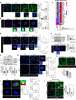
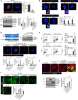
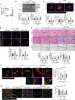
Nam, Kim, Choi et al
Nat Commun (2021) 12 (1), 3279 DOI: 10.1038/s41467-021-23478-1
Cited by 26
AI Summary: OriGene contributed to this study by providing human cardiac tissue specimens, which were used to analyze L1CAM expression and DNA damage in cardiovascular endothelial cells.
Snippet: a standard diet and water ad libitum. All mice were anaesthetised with a combination of anaesthetics before being euthanized. Human tissue specimens Cardiac tissues (n = 14) were purchased from OriGene. Six patients tissues of Normal #3-Normal #8 were obtained from Heart tissue array (US Biomax, BC30013). Eight patients (five male and three female) showed normal clinicopathological character
Broad cross-presentation of the hematopoietically derived PR1 antigen on solid tumors leads to susceptibility to PR1-targeted immunotherapy
Alatrash, Mittendorf, Sergeeva et al
J. Immunol. (2012) 189 (11), 5476-84 DOI: 10.4049/jimmunol.1201221
Alatrash, Mittendorf, Sergeeva et al
J. Immunol. (2012) 189 (11), 5476-84 DOI: 10.4049/jimmunol.1201221
Cited by 31
AI Summary: OriGene contributed to this study by providing frozen breast cancer tissue blocks and cryopreserved breast and melanoma tumor tissues, which were used for cell culture and immunohistochemistry experiments to investigate PR1 antigen cross-presentation in solid tumors.
Snippet: Patient tissues, cells, and cell culture. Patient breast cancer frozen tissue blocks were purchased from Origene. ... Immunohistochemistry. Cryopreserved breast and melanoma tumor tissues (Origene) were formalin fixed and then paraffin embedded for immunohistochemistry.
Showing 1-2 of 2 papers.
Powered by BizGenius
*Delivery time may vary from web posted schedule. Occasional delays may occur due to unforeseen
complexities in the preparation of your product. International customers may expect an additional 1-2 weeks
in shipping.
Related Products
- Price:
- Actual Price:
Welcome to OriGene AI!
I'm your AI-powered guide to everything OriGene.
Ask me anything:
- Product specs
- Ordering help
- Technical questions
- How to find exactly what your experiment needs
Prefer a live agent? Connect with us by clicking the green chat icon, as seen in the image below or email our team at custsupport@origene.com.
