
FGFR4 (NM_002011) Human Tagged ORF Clone
- TrueORF®
SKU
RG204230
FGFR4 (tGFP-tagged) - Human fibroblast growth factor receptor 4 (FGFR4), transcript variant 1

$1,301.00
In Stock*
Specifications
| Product Data | |
| Type | Human Tagged ORF Clone |
|---|---|
| Target Symbol | FGFR4 |
| Synonyms | CD334; JTK2; TKF |
| Vector | pCMV6-AC-GFP |
| E. coli Selection | Ampicillin (100 ug/mL) |
| Mammalian Cell Selection | Neomycin |
| Sequence Data | |
| Restriction Sites |
SgfI-NotI Cloning Scheme for this gene
|
Plasmid Map

|
| ACCN | NM_002011 |
| ORF Size | 2406 bp |
| OTI Disclaimer | The molecular sequence of this clone aligns with the gene accession number as a point of reference only. However, individual transcript sequences of the same gene can differ through naturally occurring variations (e.g. polymorphisms), each with its own valid existence. This clone is substantially in agreement with the reference, but a complete review of all prevailing variants is recommended prior to use. More info |
| OTI Annotation | This clone was engineered to express the complete ORF with an expression tag. Expression varies depending on the nature of the gene. |
| Components | The ORF clone is ion-exchange column purified and shipped in a 2D barcoded Matrix tube containing 10ug of transfection-ready, dried plasmid DNA (reconstitute with 100 ul of water). |
| Reconstitution Method | 1. Centrifuge at 5,000xg for 5min. 2. Carefully open the tube and add 100ul of sterile water to dissolve the DNA. 3. Close the tube and incubate for 10 minutes at room temperature. 4. Briefly vortex the tube and then do a quick spin (less than 5000xg) to concentrate the liquid at the bottom. 5. Store the suspended plasmid at -20°C. The DNA is stable for at least one year from date of shipping when stored at -20°C. |
| Note | Plasmids are not sterile. For experiments where strict sterility is required, filtration with 0.22um filter is required. |
| Shipping | Ambient |
| Reference Data | |
| RefSeq | NM_002011.5 |
| RefSeq Size | 3040 bp |
| RefSeq ORF | 2409 bp |
| Locus ID | 2264 |
| UniProt ID | P22455 |
| Cytogenetics | 5q35.2 |
| Domains | ig, IG, IGc2, pkinase, S_TKc, TyrKc |
| Protein Families | Druggable Genome, Protein Kinase |
| Protein Pathways | Endocytosis, MAPK signaling pathway, Regulation of actin cytoskeleton |
| Summary | The protein encoded by this gene is a tyrosine kinase and cell surface receptor for fibroblast growth factors. The encoded protein is involved in the regulation of several pathways, including cell proliferation, cell differentiation, cell migration, lipid metabolism, bile acid biosynthesis, vitamin D metabolism, glucose uptake, and phosphate homeostasis. This protein consists of an extracellular region, composed of three immunoglobulin-like domains, a single hydrophobic membrane-spanning segment, and a cytoplasmic tyrosine kinase domain. The extracellular portion interacts with fibroblast growth factors, setting in motion a cascade of downstream signals, ultimately influencing mitogenesis and differentiation. provided by RefSeq, Aug 2017 |
Reviews


Documents
| Product Manuals |
| FAQs |
| SDS |
Resources
"NM_002011" in other vectors (8)
| SKU | Description | Size | Price | |
|---|---|---|---|---|
| RC204230 | FGFR4 (Myc-DDK-tagged)-Human fibroblast growth factor receptor 4 (FGFR4), transcript variant 1 | 10 ug |
$1,101.00
|
|
| RC204230L1 | Lenti ORF clone of Human fibroblast growth factor receptor 4 (FGFR4), transcript variant 1, Myc-DDK-tagged | 10 ug |
$1,401.00
|
|
| RC204230L2 | Lenti ORF clone of Human fibroblast growth factor receptor 4 (FGFR4), transcript variant 1, mGFP tagged | 10 ug |
$1,401.00
|
|
| RC204230L3 | Lenti ORF clone of Human fibroblast growth factor receptor 4 (FGFR4), transcript variant 1, Myc-DDK-tagged | 10 ug |
$1,401.00
|
|
| RC204230L4 | Lenti ORF clone of Human fibroblast growth factor receptor 4 (FGFR4), transcript variant 1, mGFP tagged | 10 ug |
$1,401.00
|
|
| RC600025 | FGFR4 (DDK-His-tagged)-Extra Cellular Domain Clone of Homo sapiens fibroblast growth factor receptor 4, transcript variant 1, Signal peptide (1-21) plus EC domain (22-369) | 10 ug |
$589.00
$735.00
|
|
| SC311312 | FGFR4 (untagged)-Human fibroblast growth factor receptor 4 (FGFR4), transcript variant 1 | 10 ug |
$1,103.00
|
|
| SC323454 | FGFR4 (untagged)-Kinase deficient mutant (K503M) of Human fibroblast growth factor receptor 4 (FGFR4), transcript variant 1 | 10 ug |
$1,103.00
|
|
Citations
FGFR1 and FGFR4 oncogenicity depends on n-cadherin and their co-expression may predict FGFR-targeted therapy efficacy
Quintanal-Villalonga, Ferrer, Guruceaga et al
EBioMedicine (2020) 53, 102683 DOI: 10.1016/j.ebiom.2020.102683
Quintanal-Villalonga, Ferrer, Guruceaga et al
EBioMedicine (2020) 53, 102683 DOI: 10.1016/j.ebiom.2020.102683
Cited by 27
AI Summary: OriGene products, specifically FGFR1 (RC202080) and FGFR4 (RG204230) cDNA clones in the pCMV6 plasmid (PS100001) and shRNAs for FGFR1 (TF320354) and FGFR4 (TR320356) in the p-RS plasmid, were used to modulate gene expression in cell lines, enabling the study to demonstrate the role of N-cadherin in FGFR1/4-driven oncogenicity and therapy response in lung cancer.
Snippet: Fibroblast growth factor receptor (FGFR)1 and FGFR4 have been associated with tumorigenesis in a variety of tumour types. As a therapeutic approach, their inhibition has been attempted in different types of malignancies, including lung cancer, and was initially focused on FGFR1-amplified tumours, though with limited success. …We provide in vitro and in vivo evidence showing that expression of the adhesion molecule N-cadherin is key for the oncogenic role of FGFR1/4 in non-small cell lung cancer. According to this, assessment of the expression of genes in different lung cancer patient cohorts showed that FGFR1 or FGFR4 expression alone showed no prognostic potential, and that only co-expression of FGFR1 and/or FGFR4 with N-cadherin inferred a poorer outcome. Treatment of high-FGFR1 and/or FGFR4-expressing lung cancer cell lines and patient-derived xenografts with selective FGFR inhibitors showed high efficacy, but only in models with high FGFR1/4 and N-cadherin expression. Our data show that the determination of the expression of FGFR1 or FGFR4 alone is not sufficient to predict anti-FGFR therapy efficacy;complementary determination of N-cadherin expression may further optimise patient selection for this therapeutic strategy. …All rights reserved.;- FGFR1 (RC202080) and FGFR4 (RG204230) cDNA clones were obtained from Origene in the pCMV6 plasmid (PS100001) For FGFR1 and FGFR4 silencing, shRNAs in the p-RS plasmid were purchased from Origene (TF320354 and TR320356, respectively);complementary determination of N-cadherin expression may further optimise patient selection for this therapeutic strategy. …
FGFR4 increases EGFR oncogenic signaling in lung adenocarcinoma, and their combined inhibition is highly effective
Quintanal-Villalonga, Molina-Pinelo, Yagüe et al
Lung Cancer (2019) 131, 112-121 DOI: 10.1016/j.lungcan.2019.02.007
Quintanal-Villalonga, Molina-Pinelo, Yagüe et al
Lung Cancer (2019) 131, 112-121 DOI: 10.1016/j.lungcan.2019.02.007
Cited by 26
AI Summary: OriGene products contributed to this study by providing the FGFR4 expression plasmid (Cat# RC209125) and FGFR4 shRNA plasmids (Cat# TG313865, TG313866), which were used for gene overexpression and silencing experiments to investigate the interaction between FGFR4 and EGFR in lung adenocarcinoma.
FGFR4 increases EGFR oncogenic signaling in lung adenocarcinoma, and their combined inhibition is highly effective
Quintanal-Villalonga, Molina-Pinelo, Yagüe et al
Lung Cancer (2019) 131, 112-121 DOI: 10.1016/j.lungcan.2019.02.007
Quintanal-Villalonga, Molina-Pinelo, Yagüe et al
Lung Cancer (2019) 131, 112-121 DOI: 10.1016/j.lungcan.2019.02.007
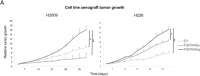
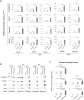
The FGFR4-388arg Variant Promotes Lung Cancer Progression by N-Cadherin Induction
Quintanal-Villalonga, Ojeda-Márquez, Marrugal et al
Sci Rep (2018) 8 (1), 2394 DOI: 10.1038/s41598-018-20570-3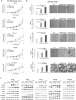
Quintanal-Villalonga, Ojeda-Márquez, Marrugal et al
Sci Rep (2018) 8 (1), 2394 DOI: 10.1038/s41598-018-20570-3
AI Summary: OriGene products, specifically the human FGFR4 cDNA clones (RC211218 and RC211219), were used to generate lung cancer cell lines overexpressing either the FGFR4-388Arg or FGFR4-388Gly variants, enabling the study of their distinct roles in cancer progression and gene expression.
Snippet: ed in FGFR4-388Arg-overexpressing H2009 cells compared to those expressing the empty vector control (Fig. 1C). These results show that although FGFR4-388Gly seems to exert differential effects on tumorigenesis in the cell lines tested, FGFR4-388Arg has a consistent pro-oncogenic role in different lung cancer cell lines. Furthermore, these tumorigenic effects correlate with greater activation of S
Deciphering the mechanism behind Fibroblast Growth Factor (FGF) induced biphasic signal-response profiles
Kanodia, Chai, Vollmer et al
Cell Commun. Signal (2014) 12 (1), 34 DOI: 10.1186/1478-811X-12-34
Kanodia, Chai, Vollmer et al
Cell Commun. Signal (2014) 12 (1), 34 DOI: 10.1186/1478-811X-12-34
AI Summary: OriGene plasmids were used to validate the specificity and efficiency of FGFR isoform-specific primer pairs in quantitative PCR assays, ensuring accurate measurement of receptor expression levels in the study.
Snippet: FGFR isoform expression levels were measured in duplicate in a 384-well reaction plate on an Applied Biosystems Viaa7 instrument (Life Technologies) with SYBR Green chemistry. 50 ng cDNA per well, and primer concentrations of 150 nM were used. Primer pairs were designed to detect receptor IIIb and IIIc isoforms selectively based on Fon Tacer et al. [49]. (see Table 2 below) For GusB and GAPDH, pri...
Showing 1-5 of 5 papers.
Powered by BizGenius
*Delivery time may vary from web posted schedule. Occasional delays may occur due to unforeseen
complexities in the preparation of your product. International customers may expect an additional 1-2 weeks
in shipping.
Related Products
- Price:
- Actual Price:
Welcome to OriGene AI!
I'm your AI-powered guide to everything OriGene.
Ask me anything:
- Product specs
- Ordering help
- Technical questions
- How to find exactly what your experiment needs
Prefer a live agent? Connect with us by clicking the green chat icon, as seen in the image below or email our team at custsupport@origene.com.
