
DNMT1 Mouse Monoclonal Antibody [Clone ID: 60B1220.1]

Specifications
| Product Data | |
| Clone Name | 60B1220.1 |
|---|---|
| Application | IHC, WB |
| Recommended Dilution | WB: 2-4ug/ml, IHC: 1-2ug/ml |
| Reactivity | Human, Mouse, Zebrafish |
| Antibody Host | Mouse |
| Isotype | IgG1, kappa |
| Clonality | Monoclonal |
| Immunogen | Raised against a synthetic peptide corresponding to amino acids 637-650 of human DNMT1 (Gene |
| Buffer | PBS, 0.05% BSA, 0.05% sodium azide |
| Concentration | lot specific |
| Purification | Protein G Purified |
| Conjugation | Unconjugated |
| Storage | Store at -20°C as received. |
| Stability | Stable for 12 months from date of receipt. |
| Shipping | Blue Ice |
| Gene Name | DNA (cytosine-5-)-methyltransferase 1 |
| Database Link | |
| Background | Methylation of DNA at cytosine residues plays an important role in regulation of gene expression, genomic imprinting and is essential for mammalian development. Hypermethylation of CpG islands in tumor suppressor genes or hypomethylation of bulk genomic DNA may be linked with development of cancer. To date, 3 families of mammalian DNA methyltransferase genes have been identified which include Dnmt1, Dnmt2 and Dnmt3. Dnmt1 is constitutively expressed in proliferating cells and inactivation of this gene causes global demethylation of genomic DNA and embryonic lethality. Dnmt2 is expressed at low levels in adult tissues and its inactivation does not affect DNA methylation or maintenance of methylation. The Dnmt3 family members, Dnmt3a and Dnmt3b, are strongly expressed in ES cells but their expression is down regulated in differentiating ES cells and is low in adult somatic tissue. Dnmt1 co-purifies with the retinoblastoma (Rb) tumour suppressor gene product, E2F1, and HDAC1. Dnmt1 also cooperates with Rb to repress transcription from promoters containing E2F-binding sites suggesting a link between DNA methylation, histone deacetylase and sequence-specific DNA binding activity, as well as a growth-regulatory pathway that is disrupted in nearly all cancer cells . |
| Synonyms | ADCADN; AIM; CXXC9; DNMT; HSN1E; m.HsaI; MCMT |
| Note | It will cross-react with mouse DNMT1. |
| Reference Data | |
| Protein Categories | Intracellular Proteins, Nervous system Diseases, Transciption Factors |
| Protein Families | Druggable Genome, Transcription Factors |
| Protein Pathways | Cysteine and methionine metabolism, Metabolic pathways |
Reviews


Documents
| Product Manuals |
| FAQs |
| SDS |
Citations
Role of ascorbic acid in the regulation of epigenetic processes induced by Porphyromonas gingivalis in endothelial-committed oral stem cells
Pizzicannella, Marconi, Guarnieri et al
Histochem Cell Biol (2021)
Pizzicannella, Marconi, Guarnieri et al
Histochem Cell Biol (2021)
Cited by 16
AI Summary: OriGene products, specifically the anti-p300 and anti-DNMT1 antibodies, were used to detect and analyze the expression of key epigenetic regulators in oral stem cells exposed to Porphyromonas gingivalis and ascorbic acid in this study.
Snippet: PBS for 30 min. Subsequently, the cells were incubated for 2 h at room temperature with the following primary antibodies: anti-p300 (10 μg/mL;OriGene, Rockville, MD, USA) and anti-DNMT1 (1:100;OriGene). Then, cells were
The Effect of Liposomal Curcumin as an Anti-Inflammatory Strategy on Lipopolysaccharide e from Porphyromonas gingivalis Treated Endothelial Committed Neural Crest Derived Stem Cells: Morphological and Molecular Mechanisms
Diomede, Fonticoli, Guarnieri et al
Int J Mol Sci (2021) 22 (14) DOI: 10.3390/ijms22147534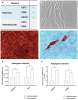
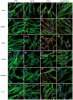
Diomede, Fonticoli, Guarnieri et al
Int J Mol Sci (2021) 22 (14) DOI: 10.3390/ijms22147534
Cited by 44
AI Summary: OriGene products, specifically the anti-p300 and anti-DNMT1 antibodies, were used in this study to assess the expression of key epigenetic modifiers involved in the inflammatory response of neural crest-derived stem cells treated with liposomal curcumin.
Snippet: Termofisher, Milan, Italy);anti-p300 (10 µg/mL, OriGene Technologies, Rockville, MD, USA) and anti-DNMT1 (1:100, OriGene)
Defective activation of the MAPK/ERK pathway, leading to PARP1 and DNMT1 dysregulation, is a common defect in IgA nephropathy and Henoch-Schönlein purpura
Milillo, Molinario, Costanzi et al
J. Nephrol. (2018)
Milillo, Molinario, Costanzi et al
J. Nephrol. (2018)
AI Summary: OriGene contributed to this study by providing the anti-BCL2 antibody, which was used to assess BCL2 protein expression levels as part of the molecular analysis of the MAPK/ERK pathway in IgA nephropathy and Henoch-Schönlein purpura patients.
Snippet: and quanti- fied with Image J. In this study, the following primary antibodies were used: anti-human IgA (Novus Biological, 1:5000), anti- human ERK1/2 (Cell Signalling 1:1000), anti-human phospho ERK1/2 (Pierce 1:1000, Cell Signalling 1:2000), anti-BCL2 (Origene
Protein expression, mRNA expression and gene amplification of DNA methyltransferase 1 in endometrial tumor tissues
Ikeda, Imura, Suzuki
Mol Clin Oncol (2013) 1 (3), 423-429 DOI: 10.3892/mco.2013.96
Ikeda, Imura, Suzuki
Mol Clin Oncol (2013) 1 (3), 423-429 DOI: 10.3892/mco.2013.96
Cited by 8
Showing 1-4 of 4 papers.
Powered by BizGenius
*Delivery time may vary from web posted schedule. Occasional delays may occur due to unforeseen
complexities in the preparation of your product. International customers may expect an additional 1-2 weeks
in shipping.
Related Products
- Price:
- Actual Price:
Welcome to OriGene AI!
I'm your AI-powered guide to everything OriGene.
Ask me anything:
- Product specs
- Ordering help
- Technical questions
- How to find exactly what your experiment needs
Prefer a live agent? Connect with us by clicking the green chat icon, as seen in the image below or email our team at custsupport@origene.com.
