
Sept6 Mouse shRNA Plasmid (Locus ID 56526)
SKU
TL509453
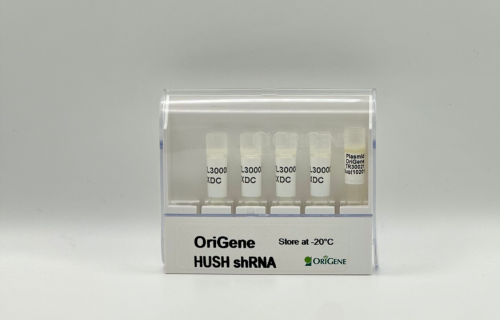
Sept6 - Mouse, 4 unique 29mer shRNA constructs in lentiviral GFP vector, 5µg of each construct provided
$1,013.00
2 Weeks*
Specifications
| Product Data | |
| Locus ID | 56526 |
|---|---|
| Synonyms | 2810035H17Rik; C920001C06Rik; mKIAA0128; Sep6 |
| Vector | pGFP-C-shLenti |
| E. coli Selection | Chloramphenicol (34 ug/ml) |
| Mammalian Cell Selection | Puromycin |
| Format | Lentiviral plasmids |
| Components | Sept6 - Mouse, 4 unique 29mer shRNA constructs in lentiviral GFP vector(Gene ID = 56526). 5µg purified plasmid DNA per construct29-mer scrambled shRNA cassette in pGFP-C-shLenti Vector, TR30021, included for free. |
| RefSeq | BC010489, NM_001177323, NM_001177324, NM_001253706, NM_019942, NR_033443, NM_001359140, NM_001359141, NM_001359142, NM_019942.1, NM_019942.2, NM_019942.3, NM_019942.4, NM_019942.5, NM_001177323.1, NM_001177323.2, NM_001177324.1, NM_001253706.1, BM245544 |
| UniProt ID | Q9R1T4 |
| Summary | Filament-forming cytoskeletal GTPase. Required for normal organization of the actin cytoskeleton. Involved in cytokinesis. Forms a filamentous structure with SEPTIN12, SEPTIN6, SEPTIN2 and probably SEPTIN4 at the sperm annulus which is required for the structural integrity and motility of the sperm tail during postmeiotic differentiation (By similarity).UniProtKB/Swiss-Prot Function |
| shRNA Design | These shRNA constructs were designed against multiple splice variants at this gene locus. To be certain that your variant of interest is targeted, please contact techsupport@origene.com. If you need a special design or shRNA sequence, please utilize our custom shRNA service. |
| Storage | Store at -20°C |
| Shipping | Ambient |
Reviews


Documents
Resources
Citations
Mapping axon initial segment structure and function by multiplexed proximity biotinylation
Hamdan, Lim, Torii et al
Nat Commun (2020) 11 (1), 100 DOI: 10.1038/s41467-019-13658-5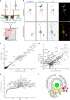
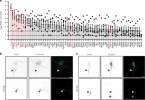
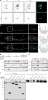
Hamdan, Lim, Torii et al
Nat Commun (2020) 11 (1), 100 DOI: 10.1038/s41467-019-13658-5
Cited by 112
AI Summary: OriGene products Ndel1C and Trim46 were used as DNA templates to generate fusion constructs for proximity biotinylation experiments, enabling the mapping of axon initial segment (AIS) molecular organization in this study.
Snippet: d NF186∆FIGQY were amplified by PCR from Rat NF186 tagged with an N-terminal HA epitope tag53. pENTR11-hENO2-Ndel1C-Myc-BirA* and pENTR11-hENO2-Myc-BirA*-Ndel1C were generated by amplifying Ndel1C (Origene) and inserting it into shuttle template pENTR11-hENO2-MCS-BirA*-MCS. pENTR11-hENO2-Trim46∆C -Myc-BirA* and pENTR11-hENO2-Myc-BirA*- Trim46∆C were generated by amplifying Trim46 (Origene) a
Showing 1-1 of 1 papers.
Powered by BizGenius
*Delivery time may vary from web posted schedule. Occasional delays may occur due to unforeseen
complexities in the preparation of your product. International customers may expect an additional 1-2 weeks
in shipping.
Related Products
- Price:
- Actual Price:
Welcome to OriGene AI!
I'm your AI-powered guide to everything OriGene.
Ask me anything:
- Product specs
- Ordering help
- Technical questions
- How to find exactly what your experiment needs
Prefer a live agent? Connect with us by clicking the green chat icon, as seen in the image below or email our team at custsupport@origene.com.
