
Hap1 Mouse shRNA Plasmid (Locus ID 15114)
SKU
TL500930
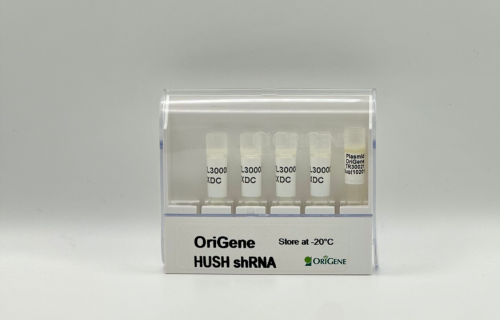
Hap1 - Mouse, 4 unique 29mer shRNA constructs in lentiviral GFP vector, 5µg of each construct provided
$1,013.00
In Stock*
Specifications
| Product Data | |
| Locus ID | 15114 |
|---|---|
| Synonyms | HAP; HAP-1 |
| Vector | pGFP-C-shLenti |
| E. coli Selection | Chloramphenicol (34 ug/ml) |
| Mammalian Cell Selection | Puromycin |
| Format | Lentiviral plasmids |
| Components | Hap1 - Mouse, 4 unique 29mer shRNA constructs in lentiviral GFP vector(Gene ID = 15114). 5µg purified plasmid DNA per construct29-mer scrambled shRNA cassette in pGFP-C-shLenti Vector, TR30021, included for free. |
| RefSeq | BC034089, BC053043, NM_010404, NM_177981, NM_177981.1, NM_177981.2, NM_010404.1, NM_010404.2, NM_010404.3 |
| UniProt ID | O35668 |
| Summary | The protein encoded by this gene was first identified as a neuronal protein that binds the HD protein huntingtin. The protein also interacts with kinesin light chain, 14-3-3 proteins, and Abelson helper integration site 1 protein. The protein is involved in intracellular trafficking of vesicles and organelles, and lack of the protein results in neuronal death resembling the hypothalamic degeneration that occurs in Huntington's disease. Multiple transcript variants encoding different isoforms have been found for this gene. provided by RefSeq, Apr 2009 |
| shRNA Design | These shRNA constructs were designed against multiple splice variants at this gene locus. To be certain that your variant of interest is targeted, please contact techsupport@origene.com. If you need a special design or shRNA sequence, please utilize our custom shRNA service. |
| Storage | Store at -20°C |
| Shipping | Ambient |
Reviews


Documents
Resources
Citations
Huntingtin-Associated Protein 1A Regulates Store-Operated Calcium Entry in Medium Spiny Neurons From Transgenic YAC128 Mice, a Model of Huntington's Disease
Czeredys, Vigont, Boeva et al
Front Cell Neurosci (2018) 12, 381 DOI: 10.3389/fncel.2018.00381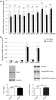
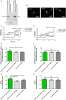
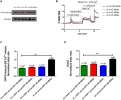
Czeredys, Vigont, Boeva et al
Front Cell Neurosci (2018) 12, 381 DOI: 10.3389/fncel.2018.00381
AI Summary: OriGene products contributed to this study by providing HAP1A and HAP1B mouse cDNA clones in pCMV6-ENTRY (catalog no. NM010404, NM177981), pLenti-C-mGFP vector (catalog no. PS100071) for HAP1 overexpression, shRNA sequences in pLenti-GFP (catalog no. TL500930C) for HAP1 silencing, and scrambled shRNA controls (catalog no. TR30021), enabling the researchers to manipulate HAP1 expression and assess its role in calcium signaling in Huntington’s disease models.
Snippet: HAP1A or HAP1B mouse cDNA clones in pCMV6-ENTRY that originated from Origene (catalog no. NM010404 or NM177981) were cloned between the SgfI and MluI sites into pLenti-C-mGFP (catalog no. PS100071, Origene) for HAP1 overexpression. For HAP1 silencing, commercially available short-hairpin RNA (shRNA) sequences in pLenti-GFP (catalog no. TL500930C, Origene) were used. … TR30021, Origene)
Showing 1-1 of 1 papers.
Powered by BizGenius
*Delivery time may vary from web posted schedule. Occasional delays may occur due to unforeseen
complexities in the preparation of your product. International customers may expect an additional 1-2 weeks
in shipping.
Related Products
- Price:
- Actual Price:
Welcome to OriGene AI!
I'm your AI-powered guide to everything OriGene.
Ask me anything:
- Product specs
- Ordering help
- Technical questions
- How to find exactly what your experiment needs
Prefer a live agent? Connect with us by clicking the green chat icon, as seen in the image below or email our team at custsupport@origene.com.
