
AVPR V2 (AVPR2) Human shRNA Plasmid Kit (Locus ID 554)
SKU
TL314549
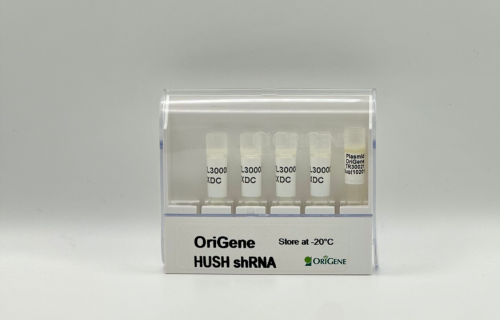
AVPR2 - Human, 4 unique 29mer shRNA constructs in lentiviral GFP vector, 5µg of each construct provided
$1,013.00
2 Weeks*
Specifications
| Product Data | |
| Locus ID | 554 |
|---|---|
| Synonyms | ADHR; DI1; DIR; DIR3; NDI; NDI1; V2R |
| Vector | pGFP-C-shLenti |
| E. coli Selection | Chloramphenicol (34 ug/ml) |
| Mammalian Cell Selection | Puromycin |
| Format | Lentiviral plasmids |
| Components | AVPR2 - Human, 4 unique 29mer shRNA constructs in lentiviral GFP vector(Gene ID = 554). 5µg purified plasmid DNA per construct29-mer scrambled shRNA cassette in pGFP-C-shLenti Vector, TR30021, included for free. |
| RefSeq | NM_000054, NM_001146151, NR_027419, NM_000054.1, NM_000054.2, NM_000054.3, NM_000054.4, NM_001146151.1, BC101484, BC101484.1, BC015746, BC033090, BC041642, BC080603, BC112181, NM_001146151.3, NM_000054.6 |
| UniProt ID | P30518 |
| Summary | This gene encodes the vasopressin receptor, type 2, also known as the V2 receptor, which belongs to the seven-transmembrane-domain G protein-coupled receptor (GPCR) superfamily, and couples to Gs thus stimulating adenylate cyclase. The subfamily that includes the V2 receptor, the V1a and V1b vasopressin receptors, the oxytocin receptor, and isotocin and mesotocin receptors in non-mammals, is well conserved, though several members signal via other G proteins. All bind similar cyclic nonapeptide hormones. The V2 receptor is expressed in the kidney tubule, predominantly in the distal convoluted tubule and collecting ducts, where its primary property is to respond to the pituitary hormone arginine vasopressin (AVP) by stimulating mechanisms that concentrate the urine and maintain water homeostasis in the organism. When the function of this gene is lost, the disease Nephrogenic Diabetes Insipidus (NDI) results. The V2 receptor is also expressed outside the kidney although its tissue localization is uncertain. When these 'extrarenal receptors' are stimulated by infusion of a V2 selective agonist (dDAVP), a variety of clotting factors are released into the bloodstream. The physiologic importance of this property is not known - its absence does not appear to be detrimental in NDI patients. The gene expression has also been described in fetal lung tissue and lung cancer associated with alternative splicing. provided by RefSeq, Jul 2008 |
| shRNA Design | These shRNA constructs were designed against multiple splice variants at this gene locus. To be certain that your variant of interest is targeted, please contact techsupport@origene.com. If you need a special design or shRNA sequence, please utilize our custom shRNA service. |
| Storage | Store at -20°C |
| Shipping | Ambient |
Reviews


Documents
Resources
Citations
*Delivery time may vary from web posted schedule. Occasional delays may occur due to unforeseen
complexities in the preparation of your product. International customers may expect an additional 1-2 weeks
in shipping.
Related Products
- Price:
- Actual Price:
Welcome to OriGene AI!
I'm your AI-powered guide to everything OriGene.
Ask me anything:
- Product specs
- Ordering help
- Technical questions
- How to find exactly what your experiment needs
Prefer a live agent? Connect with us by clicking the green chat icon, as seen in the image below or email our team at custsupport@origene.com.
