
Mcl1 Mouse shRNA Plasmid (Locus ID 17210)
SKU
TG501318
Mcl1 - Mouse, 4 unique 29mer shRNA constructs in retroviral GFP vector, 5µg of each construct provided

$883.00
In Stock*
Specifications
| Product Data | |
| Locus ID | 17210 |
|---|---|
| Synonyms | AW556805; Mcl-1 |
| Vector | pGFP-V-RS |
| E. coli Selection | Kanamycin |
| Mammalian Cell Selection | Puromycin |
| Format | Retroviral plasmids |
| Components | Mcl1 - Mouse, 4 unique 29mer shRNA constructs in retroviral GFP vector(Gene ID = 17210). 5µg purified plasmid DNA per construct29-mer scrambled shRNA cassette in pGFP-V-RS Vector, TR30013, included for free. |
| RefSeq | BC003839, BC005427, BC021638, NM_008562, NM_008562.1, NM_008562.2, NM_008562.3 |
| UniProt ID | P97287 |
| Summary | Involved in the regulation of apoptosis versus cell survival, and in the maintenance of viability but not of proliferation. Mediates its effects by interactions with a number of other regulators of apoptosis. Isoform 2 has antiapoptotic activity.UniProtKB/Swiss-Prot Function |
| shRNA Design | These shRNA constructs were designed against multiple splice variants at this gene locus. To be certain that your variant of interest is targeted, please contact techsupport@origene.com. If you need a special design or shRNA sequence, please utilize our custom shRNA service. |
| Storage | Store at -20°C |
| Shipping | Ambient |
Reviews


Documents
Resources
Citations
Energy metabolism regulated by HDAC inhibitor attenuates cardiac injury in hemorrhagic rat model
Kuai, Wang, Wang et al
Sci Rep (2016) 6, 38219 DOI: 10.1038/srep38219
Kuai, Wang, Wang et al
Sci Rep (2016) 6, 38219 DOI: 10.1038/srep38219
AI Summary: OriGene’s pCMV6-AC-MCL-1 plasmid was used to generate MCL-1 overexpressing H9c2 cells, enabling the study of MCL-1’s role in mediating the cardioprotective effects of HDAC inhibitors in hemorrhagic injury.
Snippet: Reagent (Invitrogen, Carlsbad, CA, USA). The MCL-1 over-expression-stable H9c2 cells were established by pCMV6-AC-MCL-1 plasmid (OriGene, Rockville, MD, USA) transfection and G418 screening. The gene knockdown or ... Cite SaveSaving
Targeting acute myeloid leukemia by dual inhibition of PI3K signaling and Cdk9-mediated Mcl-1 transcription
Thomas, Powell, Vergez et al
Blood (2013) 122 (5), 738-48 DOI: 10.1182/blood-2012-08-447441
Thomas, Powell, Vergez et al
Blood (2013) 122 (5), 738-48 DOI: 10.1182/blood-2012-08-447441
Cited by 65
AI Summary: OriGene’s Mcl-1 expression plasmid was used to overexpress Mcl-1 in MV4;11 cells, enabling the authors to study the functional impact of Mcl-1 modulation on apoptosis in acute myeloid leukemia.
Snippet: MV4;11 cells were electroporated (250mV, 1000mF) with 10μg of an Mcl-1 expression plasmid (Origene) or a plasmid expressing myr-Akt. MV4;11 cells ... Mcl-1 is known to have a short half-life owing to its ubiquitination and targeting for degradation via the proteasome.
Sorafenib decreases proliferation and induces apoptosis of prostate cancer cells by inhibition of the androgen receptor and Akt signaling pathways
Oh, Erb, Hobisch et al
Endocr. Relat. Cancer (2012) 19 (3), 305-19 DOI: 10.1530/ERC-11-0298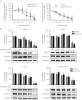
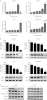
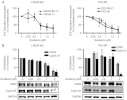
Oh, Erb, Hobisch et al
Endocr. Relat. Cancer (2012) 19 (3), 305-19 DOI: 10.1530/ERC-11-0298
Cited by 9
AI Summary: OriGene contributed to this study by providing the MCL-1 expression vector, which was used to investigate the role of MCL-1 in sorafenib-induced apoptosis in prostate cancer cells.
Snippet: Prostate cancer cells PC3, LNCaP, and 22Rv1 were obtained from ATCC (Rockville, MD, USA). Cell line authenticity was confirmed by short tandem repeat analysis. ... The MCL-1 expression vector was purchased from OriGene (Rockville, MD, USA). Proliferation assays.
Inhibition of NF-kappaB signaling by quinacrine is cytotoxic to human colon carcinoma cell lines and is synergistic in combination with tumor necrosis factor-related apoptosis-inducing ligand (TRAIL) or oxaliplatin
Jani, DeVecchio, Mazumdar et al
J Biol Chem (2010) 285 (25), 19162-72 DOI: 10.1074/jbc.M109.091645
Jani, DeVecchio, Mazumdar et al
J Biol Chem (2010) 285 (25), 19162-72 DOI: 10.1074/jbc.M109.091645
AI Summary: In this paper, OriGene’s c-FLIP and Mcl-1 shRNA products were used to knock down these genes in colon carcinoma cell lines, demonstrating that their suppression sensitizes cells to TRAIL and oxaliplatin, thus highlighting the role of NF-kappaB target genes in drug resistance.
Showing 1-4 of 4 papers.
Powered by BizGenius
*Delivery time may vary from web posted schedule. Occasional delays may occur due to unforeseen
complexities in the preparation of your product. International customers may expect an additional 1-2 weeks
in shipping.
Related Products
- Price:
- Actual Price:
Welcome to OriGene AI!
I'm your AI-powered guide to everything OriGene.
Ask me anything:
- Product specs
- Ordering help
- Technical questions
- How to find exactly what your experiment needs
Prefer a live agent? Connect with us by clicking the green chat icon, as seen in the image below or email our team at custsupport@origene.com.
