
Ppard Mouse shRNA Plasmid (Locus ID 19015)
SKU
TF501712
Ppard - Mouse, 4 unique 29mer shRNA constructs in retroviral RFP vector, 5µg of each construct provided

$883.00
2 Weeks*
Specifications
| Product Data | |
| Locus ID | 19015 |
|---|---|
| Synonyms | Nr1c2; NUC-1; NUC1; PPAR-beta; PPAR-delta; Pparb; Pparb/d; PPARdelta; PPARb |
| Vector | pRFP-C-RS |
| E. coli Selection | Chloramphenicol (34 ug/ml) |
| Mammalian Cell Selection | Puromycin |
| Format | Retroviral plasmids |
| Components | Ppard - Mouse, 4 unique 29mer shRNA constructs in retroviral RFP vector(Gene ID = 19015). 5µg purified plasmid DNA per construct29-mer scrambled shRNA cassette in pRFP-C-RS Vector, TR30015, included for free. |
| RefSeq | BC070398, NM_011145, NM_011145.1, NM_011145.2, NM_011145.3 |
| UniProt ID | P35396 |
| Summary | Ligand-activated transcription factor. Receptor that binds peroxisome proliferators such as hypolipidemic drugs and fatty acids. Has a preference for poly-unsaturated fatty acids, such as gamma-linoleic acid and eicosapentanoic acid. Once activated by a ligand, the receptor binds to promoter elements of target genes. Regulates the peroxisomal beta-oxidation pathway of fatty acids. Functions as transcription activator for the acyl-CoA oxidase gene. Decreases expression of NPC1L1 once activated by a ligand (By similarity).UniProtKB/Swiss-Prot Function |
| shRNA Design | These shRNA constructs were designed against multiple splice variants at this gene locus. To be certain that your variant of interest is targeted, please contact techsupport@origene.com. If you need a special design or shRNA sequence, please utilize our custom shRNA service. |
| Storage | Store at -20°C |
| Shipping | Ambient |
Reviews


Documents
Resources
Citations
Metastasis regulation by PPARD expression in cancer cells
Zuo, Xu, Xu et al
JCI Insight (2017) 2 (1), e91419 DOI: 10.1172/jci.insight.91419
Zuo, Xu, Xu et al
JCI Insight (2017) 2 (1), e91419 DOI: 10.1172/jci.insight.91419
AI Summary: OriGene contributed to this study by providing four PPARD-shRNA plasmids (in the pGFP-V-RS vector), which were used to specifically downregulate PPARD expression in cancer cells and investigate its role in metastasis.
Snippet: Plasmid transfections: Four PPARD-shRNA plasmids against mouse PPARD in pGFP-V-RS vector were purchased from Origene. The PPARD shRNA sequences were as follows: shRNA-A,
Serine carboxypeptidase SCPEP1 and Cathepsin A play complementary roles in regulation of vasoconstriction via inactivation of endothelin-1
Pan, Grigoryeva, Seyrantepe et al
PLoS Genet. (2014) 10 (2), e1004146 DOI: 10.1371/journal.pgen.1004146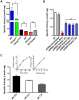
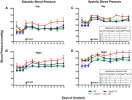
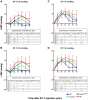
Pan, Grigoryeva, Seyrantepe et al
PLoS Genet. (2014) 10 (2), e1004146 DOI: 10.1371/journal.pgen.1004146
Cited by 24
AI Summary: OriGene products, including mouse CTSA shRNA (TF501716B/C), Scpep1 shRNA (TF505007A/B), and non-effective 29-mer scrambled shRNA (TR30015) in the pRFP-C-RS vector, were used in this study to specifically knock down gene expression and investigate the complementary roles of SCPEP1 and Cathepsin A in regulating vasoconstriction via endothelin-1 inactivation.
Snippet: or not with Scpep1-RGS-His-Tag [19] and pEGFP-C1 (Clontech, Palo Alto, CA) plasmids, mouse CTSA shRNA (TF501716B/C) Scpep1 shRNA (TF505007A/B) or non-effective 29-mer scrambled shRNA (TR30015) cassette in pRFP-C-RS vector (Origene Technologies ... Cite SaveSaving
Showing 1-2 of 2 papers.
Powered by BizGenius
*Delivery time may vary from web posted schedule. Occasional delays may occur due to unforeseen
complexities in the preparation of your product. International customers may expect an additional 1-2 weeks
in shipping.
Related Products
- Price:
- Actual Price:
Welcome to OriGene AI!
I'm your AI-powered guide to everything OriGene.
Ask me anything:
- Product specs
- Ordering help
- Technical questions
- How to find exactly what your experiment needs
Prefer a live agent? Connect with us by clicking the green chat icon, as seen in the image below or email our team at custsupport@origene.com.
