
CCR7 Human shRNA Plasmid Kit (Locus ID 1236)
SKU
TF314124
CCR7 - Human, 4 unique 29mer shRNA constructs in retroviral RFP vector, 5µg of each construct provided

$883.00
In Stock*
Specifications
| Product Data | |
| Locus ID | 1236 |
|---|---|
| Synonyms | BLR2; CC-CKR-7; CCR-7; CD197; CDw197; CMKBR7; EBI1 |
| Vector | pRFP-C-RS |
| E. coli Selection | Chloramphenicol (34 ug/ml) |
| Mammalian Cell Selection | Puromycin |
| Format | Retroviral plasmids |
| Components | CCR7 - Human, 4 unique 29mer shRNA constructs in retroviral RFP vector(Gene ID = 1236). 5µg purified plasmid DNA per construct29-mer scrambled shRNA cassette in pRFP-C-RS Vector, TR30015, included for free. |
| RefSeq | NM_001301714, NM_001301716, NM_001301717, NM_001301718, NM_001838, NM_001838.1, NM_001838.2, NM_001838.3, NM_001301714.1, NM_001301716.1, NM_001301717.1, NM_001301718.1, BC035343, BC035343.1, NM_001301714.2, NM_001838.4 |
| UniProt ID | P32248 |
| Summary | The protein encoded by this gene is a member of the G protein-coupled receptor family. This receptor was identified as a gene induced by the Epstein-Barr virus (EBV), and is thought to be a mediator of EBV effects on B lymphocytes. This receptor is expressed in various lymphoid tissues and activates B and T lymphocytes. It has been shown to control the migration of memory T cells to inflamed tissues, as well as stimulate dendritic cell maturation. The chemokine (C-C motif) ligand 19 (CCL19/ECL) has been reported to be a specific ligand of this receptor. Signals mediated by this receptor regulate T cell homeostasis in lymph nodes, and may also function in the activation and polarization of T cells, and in chronic inflammation pathogenesis. Alternative splicing of this gene results in multiple transcript variants. provided by RefSeq, Sep 2014 |
| shRNA Design | These shRNA constructs were designed against multiple splice variants at this gene locus. To be certain that your variant of interest is targeted, please contact techsupport@origene.com. If you need a special design or shRNA sequence, please utilize our custom shRNA service. |
| Storage | Store at -20°C |
| Shipping | Ambient |
Reviews


Documents
Resources
Citations
The role of CCL21/CCR7 chemokine axis in breast cancer-induced lymphangiogenesis
Tutunea-Fatan, Majumder, Xin et al
Mol Cancer (2015) 14, 35 DOI: 10.1186/s12943-015-0306-4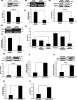
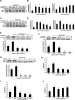
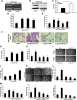
Tutunea-Fatan, Majumder, Xin et al
Mol Cancer (2015) 14, 35 DOI: 10.1186/s12943-015-0306-4
Cited by 132
AI Summary: OriGene products, specifically CCR7 and CCL21 gene expression plasmids, were used to manipulate breast cancer cell lines in this study, enabling the authors to investigate the functional role of the CCL21/CCR7 chemokine axis in promoting lymphangiogenesis associated with breast cancer.
The role of CCL21/CCR7 chemokine axis in breast cancer-induced lymphangiogenesis
Tutunea-Fatan, Majumder, Xin
Molecular Cancer (2015) 14 (35)
Tutunea-Fatan, Majumder, Xin
Molecular Cancer (2015) 14 (35)
AI Summary: OriGene products, specifically the CCR7-targeting shRNA (TF314124) and negative control shRNA (TR30015), were used to manipulate CCR7 expression in breast cancer cells, enabling the study to investigate the role of the CCL21/CCR7 chemokine axis in breast cancer-induced lymphangiogenesis.
Showing 1-2 of 2 papers.
Powered by BizGenius
*Delivery time may vary from web posted schedule. Occasional delays may occur due to unforeseen
complexities in the preparation of your product. International customers may expect an additional 1-2 weeks
in shipping.
Related Products
- Price:
- Actual Price:
Welcome to OriGene AI!
I'm your AI-powered guide to everything OriGene.
Ask me anything:
- Product specs
- Ordering help
- Technical questions
- How to find exactly what your experiment needs
Prefer a live agent? Connect with us by clicking the green chat icon, as seen in the image below or email our team at custsupport@origene.com.
