
Pttg1 (BC023324) Mouse Recombinant Protein
SKU
TP502008
Purified recombinant protein of Mouse pituitary tumor-transforming 1 (cDNA clone MGC:35993 IMAGE:4946234), complete cds, with C-terminal MYC/DDK tag, expressed in HEK293T cells, 20ug

$1,020.00
4 Weeks*
Specifications
| Product Data | |
| Species | Mouse |
|---|---|
| Expression Host | HEK293 |
| Expression cDNA Clone or AA Sequence | |
| Tag | C-MYC/DDK |
| Predicted MW | 21.7 kDa |
| Concentration | >0.05 µg/µL as determined by microplate BCA method |
| Purity | > 80% as determined by SDS-PAGE and Coomassie blue staining |
| Buffer | 25 mM Tris-HCl, 100 mM glycine, pH 7.3, 10% glycerol |
| Note | For testing in cell culture applications, please filter before use. Note that you may experience some loss of protein during the filtration process. |
| Storage | Store at -80°C after receiving vials. |
| Stability | Stable for 12 months from the date of receipt of the product under proper storage and handling conditions. Avoid repeated freeze-thaw cycles. |
| Shipping | Dry Ice |
| Reference Data | |
| Locus ID | 30939 |
| UniProt ID | Q9CQJ7 |
| Cytogenetics | 11 B1.1 |
| RefSeq Size | 746 |
| RefSeq ORF | 597 |
| Synonyms | PTTG |
| Summary | Regulatory protein, which plays a central role in chromosome stability, in the p53/TP53 pathway, and DNA repair. Probably acts by blocking the action of key proteins. During the mitosis, it blocks Separase/ESPL1 function, preventing the proteolysis of the cohesin complex and the subsequent segregation of the chromosomes. At the onset of anaphase, it is ubiquitinated, conducting to its destruction and to the liberation of ESPL1. Its function is however not limited to a blocking activity, since it is required to activate ESPL1. Negatively regulates the transcriptional activity and related apoptosis activity of p53/TP53. The negative regulation of p53/TP53 may explain the strong transforming capability of the protein when it is overexpressed. May also play a role in DNA repair via its interaction with Ku, possibly by connecting DNA damage-response pathways with sister chromatid separation (By similarity).UniProtKB/Swiss-Prot Function |
Reviews


Documents
| FAQs |
| SDS |
Resources
| Recombinant Protein Resources |
Citations
Targeting the PTTG1 oncogene impairs proliferation and invasiveness of melanoma cells sensitive or with acquired resistance to the BRAF inhibitor dabrafenib
Caporali, Alvino, Lacal et al
Oncotarget (2017) 8 (69), 113472-113493 DOI: 10.18632/oncotarget.23052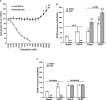
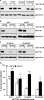
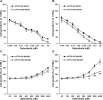
Caporali, Alvino, Lacal et al
Oncotarget (2017) 8 (69), 113472-113493 DOI: 10.18632/oncotarget.23052
Snippet: xpression vector and dabrafenib treatment of the transfected cells The pCMV6-Entry expression vector encoding a FLAG-tagged PTTG1 protein (CMV-PTTG1) and the empty vector (CMV-EV) were purchased from OriGene Technologies, Inc. … For proliferation assays, melanoma cells were suspended in CM without antibiotics, seeded (100 µl/well) into BD Falcon 96-well plates (BD Biosciences);Transient transfection with a PTTG1 expression vector and dabrafenib treatment of the transfected cells The pCMV6-Entry expression vector encoding a FLAG-tagged PTTG1 protein (CMV-PTTG1) and the empty vector (CMV-EV) were purchased from OriGene Technologies, Inc. …
Showing 1-1 of 1 papers.
Powered by BizGenius
*Delivery time may vary from web posted schedule. Occasional delays may occur due to unforeseen
complexities in the preparation of your product. International customers may expect an additional 1-2 weeks
in shipping.
Related Products
- Price:
- Actual Price:
Welcome to OriGene AI!
I'm your AI-powered guide to everything OriGene.
Ask me anything:
- Product specs
- Ordering help
- Technical questions
- How to find exactly what your experiment needs
Prefer a live agent? Connect with us by clicking the green chat icon, as seen in the image below or email our team at custsupport@origene.com.
