
NFKB1 (NM_003998) Human Recombinant Protein

SKU
TP308384
Recombinant protein of human nuclear factor of kappa light polypeptide gene enhancer in B-cells 1 (NFKB1), 20 µg

$737.00
In Stock*
Specifications
| Product Data | |
| Species | Human |
|---|---|
| Expression Host | HEK293 |
| Expression cDNA Clone or AA Sequence | |
| Tag | C-Myc/DDK |
| Predicted MW | 105.2 kDa |
| Concentration | >0.05 µg/µL as determined by microplate BCA method |
| Purity | > 80% as determined by SDS-PAGE and Coomassie blue staining |
| Buffer | 25 mM Tris-HCl, 100 mM glycine, pH 7.3, 10% glycerol |
| Preparation | Recombinant protein was captured through anti-DDK affinity column followed by conventional chromatography steps. |
| Note | For testing in cell culture applications, please filter before use. Note that you may experience some loss of protein during the filtration process. |
| Storage | Store at -80°C. |
| Stability | Stable for 12 months from the date of receipt of the product under proper storage and handling conditions. Avoid repeated freeze-thaw cycles. |
| Shipping | Dry Ice |
| Reference Data | |
| RefSeq | NP_003989 |
| Locus ID | 4790 |
| UniProt ID | P19838 |
| Cytogenetics | 4q24 |
| RefSeq Size | 4104 |
| RefSeq ORF | 2907 |
| Synonyms | CVID12; EBP-1; KBF1; NF-kappa-B1; NF-kappaB; NF-kappabeta; NF-kB; NF-kB1; NFkappaB; NFKB-p50; NFKB-p105 |
| Summary | This gene encodes a 105 kD protein which can undergo cotranslational processing by the 26S proteasome to produce a 50 kD protein. The 105 kD protein is a Rel protein-specific transcription inhibitor and the 50 kD protein is a DNA binding subunit of the NF-kappa-B (NFKB) protein complex. NFKB is a transcription regulator that is activated by various intra- and extra-cellular stimuli such as cytokines, oxidant-free radicals, ultraviolet irradiation, and bacterial or viral products. Activated NFKB translocates into the nucleus and stimulates the expression of genes involved in a wide variety of biological functions. Inappropriate activation of NFKB has been associated with a number of inflammatory diseases while persistent inhibition of NFKB leads to inappropriate immune cell development or delayed cell growth. NFKB is a critical regulator of the immediate-early response to viral infection. Alternative splicing results in multiple transcript variants encoding different isoforms, at least one of which is proteolytically processed. provided by RefSeq, Aug 2020 |
| Protein Categories | Cytokines, Immune system diseases, Intracellular Proteins, Transciption Factors |
| Protein Families | Druggable Genome, Transcription Factors |
| Protein Pathways | Acute myeloid leukemia, Adipocytokine signaling pathway, Apoptosis, B cell receptor signaling pathway, Chemokine signaling pathway, Chronic myeloid leukemia, Cytosolic DNA-sensing pathway, Epithelial cell signaling in Helicobacter pylori infection, MAPK signaling pathway, Metabolic pathways, Neurotrophin signaling pathway, NOD-like receptor signaling pathway, Pancreatic cancer, Pathways in cancer, Prostate cancer, RIG-I-like receptor signaling pathway, Small cell lung cancer, T cell receptor signaling pathway, Toll-like receptor signaling pathway |
Reviews


Documents
| FAQs |
| SDS |
Resources
| Recombinant Protein Resources |
Other "NFKB1" proteins (3)
| SKU | Description | Size | Price | |
|---|---|---|---|---|
| PH308384 | NFKB1 MS Standard C13 and N15-labeled recombinant protein (NP_003989) | 10 ug |
$3,360.00
|
|
| LC418264 | Lyophilized NFKB1 HEK293T cell transient overexpression lysate (as WB positive control) | 20 ug |
$206.00
|
|
| LY418264 | Transient overexpression lysate of nuclear factor of kappa light polypeptide gene enhancer in B-cells 1 (NFKB1), transcript variant 1 (as WB positive control) | 100 ug |
$436.00
|
|
Citations
WASp modulates RPA function on single-stranded DNA in response to replication stress and DNA damage
Han, Wen, García-Rubio et al
Nat Commun (2022) 13 (1), 3743 DOI: 10.1038/s41467-022-31415-z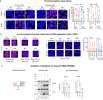
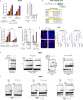
Han, Wen, García-Rubio et al
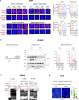
Nat Commun (2022) 13 (1), 3743 DOI: 10.1038/s41467-022-31415-z
Cited by 37
AI Summary: OriGene products, specifically RPA1 (TP302066), RPA2 (TP305715), MAX (TP320343), ARP3 (TP308460), FANCA (TP761743), XRCC2 (TP308330), DNMT1 (TP326414), MYC (TP301611), NF-κB1 (TP308384), and STAT1 (TP313858), were used as key reagents to investigate the molecular mechanisms by which WASp modulates RPA function and maintains genomic stability under replication stress and DNA damage.
Snippet: ns RPA1 (TP302066), RPA2 (TP305715), MAX (TP320343), ARP3 (TP308460), FANCA (TP761743), XRCC2 (TP308330), DNMT1 (TP326414), MYC (TP301611), NF-κB1 (TP308384) and STAT1 (TP313858) were purchased from OriGene (Rockville, MD). ARP2 (ab217837) was purchased from Abcam (Cambridge, MA). Heterotrimeric RPA and RPA1 mutant forms of RPA were expressed as recombinant protein E. coli and them purified over
Showing 1-1 of 1 papers.
Powered by BizGenius
*Delivery time may vary from web posted schedule. Occasional delays may occur due to unforeseen
complexities in the preparation of your product. International customers may expect an additional 1-2 weeks
in shipping.
Related Products
- Price:
- Actual Price:
Welcome to OriGene AI!
I'm your AI-powered guide to everything OriGene.
Ask me anything:
- Product specs
- Ordering help
- Technical questions
- How to find exactly what your experiment needs
Prefer a live agent? Connect with us by clicking the green chat icon, as seen in the image below or email our team at custsupport@origene.com.
