
Albumin Human Protein

Specifications
| Product Data | |
| Species | Human |
|---|---|
| Protein Source | Serum |
| Concentration | 1.0 mg/mL by UV absorbance at 280 nm |
| Purity | This product was prepared from normal serum delipidation a multi-stage process including selective precipitation. Assay by immunoelectrophoresis resulted in a single precipitin arc against anti-biotin, anti-Human Albumin and anti-Human Serum. |
| Buffer | 0.02 M Potassium Phosphate, 0.15 M Sodium Chloride, pH 7.2 |
| Reconstitution Method | Restore with deionized water (or equivalent) - Reconstitution Volume: 1.0 mL |
| Preparation | Lyophilized purified Ig fraction. |
| Protein Description | Biotin Conjugated Human Albumin. |
| Note | Human Albumin biotin conjugated has been tested in dot blot and can be used in SDS, Western Blotting, ELISA experiments and other immunological assays. |
| Storage | Store vial at 4° C prior to restoration. For extended storage aliquot contents and freeze at -20° C or below. Avoid cycles of freezing and thawing. Centrifuge product if not completely clear after standing at room temperature. This product is stable for several weeks at 4° C as an undiluted liquid. Dilute only prior to immediate use. |
| Stability | Expiration date is one (1) year from date of receipt. |
| Shipping | Blue Ice |
| Reference Data | |
| RefSeq | NP_000468 |
| Locus ID | 213 |
| Cytogenetics | 4q13.3 |
| Synonyms | Human Albumin Biotin Conjugated |
| Summary | This gene encodes the most abundant protein in human blood. This protein functions in the regulation of blood plasma colloid osmotic pressure and acts as a carrier protein for a wide range of endogenous molecules including hormones, fatty acids, and metabolites, as well as exogenous drugs. Additionally, this protein exhibits an esterase-like activity with broad substrate specificity. The encoded preproprotein is proteolytically processed to generate the mature protein. A peptide derived from this protein, EPI-X4, is an endogenous inhibitor of the CXCR4 chemokine receptor. provided by RefSeq, Jul 2016 |
| Protein Categories | Chemokines, Intracellular Proteins, Secreated Proteins |
| Protein Families | anti-Human Albumin and anti-Human Serum., ELISA, Immunoblotting, immunohistochemistry, Immunomicroscopy as well as other antibody based assays using streptavidin or avidin conjugates. Assay by immunoelectrophoresis resulted in a single precipitin arc against anti-biotin |
Reviews


Documents
| FAQs |
| SDS |
Resources
| Recombinant Protein Resources |
Citations
Phosphorylation of Endothelin-Converting Enzyme-1c at Serines 18 and 20 by CK2 Promotes Aggressiveness Traits in Colorectal Cancer Cells
Pérez-Moreno, Quezada-Meza, Chavez-Almarza et al
Front Oncol (2020) 10, 1004 DOI: 10.3389/fonc.2020.01004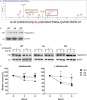
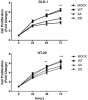
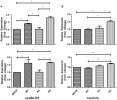
Pérez-Moreno, Quezada-Meza, Chavez-Almarza et al
Front Oncol (2020) 10, 1004 DOI: 10.3389/fonc.2020.01004
Cited by 9
AI Summary: In this paper, OriGene products—specifically the TrueORF Gold cDNA clones for ECE1c (Cat# RC219307) and the ECE1c shRNA lentiviral particles (Cat# TL314354V)—were used to overexpress and knock down ECE1c in colorectal cancer cells, enabling the authors to study the effects of CK2-mediated phosphorylation on cancer cell aggressiveness.
Tumor-associated B cells and humoral immune response in head and neck squamous cell carcinoma
Lechner, Schlößer, Thelen et al
Oncoimmunology (2019) 8 (3), 1535293 DOI: 10.1080/2162402X.2018.1535293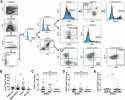
Lechner, Schlößer, Thelen et al
Oncoimmunology (2019) 8 (3), 1535293 DOI: 10.1080/2162402X.2018.1535293
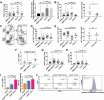
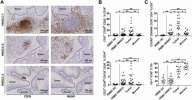
AI Summary: In this study, OriGene's anti-CD86 (Cat# TA506771) and anti-CD21 (Cat# TA809359) antibodies were used for flow cytometric analysis to identify and characterize B cell subpopulations in head and neck squamous cell carcinoma tissues, contributing to the understanding of immune cell infiltration patterns in these tumors.
Bifunctional fusion proteins containing the sequence of the bradykinin homologue maximakinin: activities at the rat bradykinin B<sub>2</sub> receptor
Charest-Morin, Lodge, Marceau
Can. J. Physiol. Pharmacol. (2018)
Charest-Morin, Lodge, Marceau
Can. J. Physiol. Pharmacol. (2018)
AI Summary: In this study, the OriGene monoclonal anti-FLAG antibody (clone 4C5) was used to validate the APEX2-(NG)15-MK fusion protein, supporting the detection and characterization of bifunctional fusion proteins targeting the rat bradykinin B2 receptor.
Snippet: (Phoenix Pharmaceuticals Inc., cat. no. H-009-01;dilution 1:5,000) whereas the APEX2- (NG)15-MK fusion protein was validated using the monoclonal anti-FLAG antibody, clone 4C5 (Origene;dilution 1:500) and the polyclonal anti-BK antibody. The identity of
Showing 1-3 of 3 papers.
Powered by BizGenius
*Delivery time may vary from web posted schedule. Occasional delays may occur due to unforeseen
complexities in the preparation of your product. International customers may expect an additional 1-2 weeks
in shipping.
Related Products
- Price:
- Actual Price:
Welcome to OriGene AI!
I'm your AI-powered guide to everything OriGene.
Ask me anything:
- Product specs
- Ordering help
- Technical questions
- How to find exactly what your experiment needs
Prefer a live agent? Connect with us by clicking the green chat icon, as seen in the image below or email our team at custsupport@origene.com.
