
Vitronectin Human Protein

Specifications
| Product Data | |
| Species | Human |
|---|---|
| Protein Source | Plasma |
| Concentration | lot specific |
| Purity | >98% pure (SDS-PAGE). Column chromatography |
| Presentation State | Purified |
| Buffer | Presentation State: Purified State: Liquid purified Ig Buffer System: 0.05M Sodium phosphate, pH 7.4 containing 0.1M Sodium chloride |
| Preparation | Liquid purified Ig |
| Recommended Dilution | Second order rate constants for inhibition of: uPA = 6.3 x 10e6 M-1s-1 tPA = 5.7 x 10e6 M-1s-1 |
| Protein Description | Human Vitronectin |
| Note | Caution: Source material supplied to your facility has been tested for the detection of HIV antibody, Hepatitis B surface antigen, antibody to Hepatitis C, HIV 1 antigen(s), antibody to HTLV - I/II, and syphilis with FDA approved test kits. All units were found to be non-reactive/negative for these tests. Nevertheless, all products from human sources should be handled as potentially infectious. |
| Storage | Store the antibody at -70°C. Avoid repeated freezing and thawing. |
| Stability | Shelf life: one year from despatch. |
| Shipping | Blue Ice |
| Reference Data | |
| RefSeq | NP_000629 |
| Locus ID | 7448 |
| Cytogenetics | 17q11.2 |
| Synonyms | VTN, S-protein, V75 |
| Summary | The protein encoded by this gene functions in part as an adhesive glycoprotein. Differential expression of this protein can promote either cell adhesion or migration as it links cells to the extracellular matrix through a variety of ligands. These ligands include integrins, plasminogen activator inhibitor-1, and urokinase plasminogen activator receptor. This secreted protein can be present in the plasma as a monomer or dimer and forms a multimer in the extracellular matrix of several tissues. This protein also inhibits the membrane-damaging effect of the terminal cytolytic complement pathway and binds to several serpin serine protease inhibitors. This protein can also promote extracellular matrix degradation and thus plays a role in tumorigenesis. It is involved in a variety of other biological processes such as the regulation of the coagulation pathway, wound healing, and tissue remodeling. The heparin-binding domain of this protein give it anti-microbial properties. It is also a lipid binding protein that forms a principal component of high density lipoprotein. provided by RefSeq, Aug 2020 |
| Protein Categories | Growth Factors, Secreated Proteins |
| Protein Families | Second order rate constants for inhibition of: uPA = 6.3 x 10e6 M-1s-1 tPA = 5.7 x 10e6 M-1s-1 |
| Protein Pathways | ECM-receptor interaction, Focal adhesion |
Reviews


Documents
| FAQs |
| SDS |
Resources
| Recombinant Protein Resources |
Citations
Chemically defined conditions for human iPSC derivation and culture
Chen, Gulbranson, Hou et al
Nat. Methods (2011) 8 (5), 424-9 DOI: 10.1038/nmeth.1593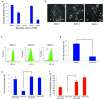
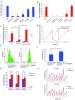
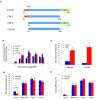
Chen, Gulbranson, Hou et al
Nat. Methods (2011) 8 (5), 424-9 DOI: 10.1038/nmeth.1593
Cited by 1515
AI Summary: In this paper, OriGene’s episomal vectors (specifically, the pCXLE series) were used to efficiently generate vector-free human iPSCs under chemically defined conditions, demonstrating the effectiveness of the new E8 medium and vitronectin surfaces for pluripotent stem cell culture.
Snippet: During these studies, we were most surprised by what human ESCs and iPSCs do not need and by how challenging it is to remove something from a medium once its inclusion becomes routine and accepted. Albumin, for example
Showing 1-1 of 1 papers.
Powered by BizGenius
*Delivery time may vary from web posted schedule. Occasional delays may occur due to unforeseen
complexities in the preparation of your product. International customers may expect an additional 1-2 weeks
in shipping.
Related Products
- Price:
- Actual Price:
Welcome to OriGene AI!
I'm your AI-powered guide to everything OriGene.
Ask me anything:
- Product specs
- Ordering help
- Technical questions
- How to find exactly what your experiment needs
Prefer a live agent? Connect with us by clicking the green chat icon, as seen in the image below or email our team at custsupport@origene.com.
