
AKT1 (NM_001014431) Human Untagged Clone
SKU
SC320238
AKT1 (untagged)-Human v-akt murine thymoma viral oncogene homolog 1 (AKT1), transcript variant 3

$457.00
In Stock*
Specifications
| Product Data | |
| Type | Human Untagged Clone |
|---|---|
| Target Symbol | AKT1 |
| Synonyms | AKT; PKB; PKB-ALPHA; PRKBA; RAC; RAC-ALPHA |
| Vector | pCMV6-AC |
| E. coli Selection | Ampicillin (100 ug/mL) |
| Mammalian Cell Selection | Neomycin |
| Sequence Data | |
| Restriction Sites | Please inquire | |
| ACCN | NM_001014431 |
| OTI Disclaimer | Our molecular clone sequence data has been matched to the reference identifier above as a point of reference. Note that the complete sequence of our molecular clones may differ from the sequence published for this corresponding reference, e.g., by representing an alternative RNA splicing form or single nucleotide polymorphism (SNP). |
| OTI Annotation | This TrueClone is provided through our Custom Cloning Process that includes sub-cloning into OriGene's pCMV6 vector and full sequencing to provide a non-variant match to the expected reference without frameshifts, and is delivered as lyophilized plasmid DNA. |
| Components | The ORF clone is ion-exchange column purified and shipped in a 2D barcoded Matrix tube containing 10ug of transfection-ready, dried plasmid DNA (reconstitute with 100 ul of water). |
| Reconstitution Method | 1. Centrifuge at 5,000xg for 5min. 2. Carefully open the tube and add 100ul of sterile water to dissolve the DNA. 3. Close the tube and incubate for 10 minutes at room temperature. 4. Briefly vortex the tube and then do a quick spin (less than 5000xg) to concentrate the liquid at the bottom. 5. Store the suspended plasmid at -20°C. The DNA is stable for at least one year from date of shipping when stored at -20°C. |
| Note | Plasmids are not sterile. For experiments where strict sterility is required, filtration with 0.22um filter is required. |
| Shipping | Ambient |
| Reference Data | |
| RefSeq | NM_001014431.1, NP_001014431.1 |
| RefSeq Size | 2794 bp |
| RefSeq ORF | 1443 bp |
| Locus ID | 207 |
| UniProt ID | P31749 |
| Cytogenetics | 14q32.33 |
| Protein Families | Druggable Genome, ES Cell Differentiation/IPS, Protein Kinase |
| Protein Pathways | Acute myeloid leukemia, Adipocytokine signaling pathway, Apoptosis, B cell receptor signaling pathway, Chemokine signaling pathway, Chronic myeloid leukemia, Colorectal cancer, Endometrial cancer, ErbB signaling pathway, Fc epsilon RI signaling pathway, Fc gamma R-mediated phagocytosis, Focal adhesion, Glioma, Insulin signaling pathway, Jak-STAT signaling pathway, MAPK signaling pathway, Melanoma, mTOR signaling pathway, Neurotrophin signaling pathway, Non-small cell lung cancer, Pancreatic cancer, Pathways in cancer, Progesterone-mediated oocyte maturation, Prostate cancer, Renal cell carcinoma, Small cell lung cancer, T cell receptor signaling pathway, Tight junction, Toll-like receptor signaling pathway, VEGF signaling pathway |
| Summary | This gene encodes one of the three members of the human AKT serine-threonine protein kinase family which are often referred to as protein kinase B alpha, beta, and gamma. These highly similar AKT proteins all have an N-terminal pleckstrin homology domain, a serine/threonine-specific kinase domain and a C-terminal regulatory domain. These proteins are phosphorylated by phosphoinositide 3-kinase (PI3K). AKT/PI3K forms a key component of many signalling pathways that involve the binding of membrane-bound ligands such as receptor tyrosine kinases, G-protein coupled receptors, and integrin-linked kinase. These AKT proteins therefore regulate a wide variety of cellular functions including cell proliferation, survival, metabolism, and angiogenesis in both normal and malignant cells. AKT proteins are recruited to the cell membrane by phosphatidylinositol 3,4,5-trisphosphate (PIP3) after phosphorylation of phosphatidylinositol 4,5-bisphosphate (PIP2) by PI3K. Subsequent phosphorylation of both threonine residue 308 and serine residue 473 is required for full activation of the AKT1 protein encoded by this gene. Phosphorylation of additional residues also occurs, for example, in response to insulin growth factor-1 and epidermal growth factor. Protein phosphatases act as negative regulators of AKT proteins by dephosphorylating AKT or PIP3. The PI3K/AKT signalling pathway is crucial for tumor cell survival. Survival factors can suppress apoptosis in a transcription-independent manner by activating AKT1 which then phosphorylates and inactivates components of the apoptotic machinery. AKT proteins also participate in the mammalian target of rapamycin (mTOR) signalling pathway which controls the assembly of the eukaryotic translation initiation factor 4F (eIF4E) complex and this pathway, in addition to responding to extracellular signals from growth factors and cytokines, is disregulated in many cancers. Mutations in this gene are associated with multiple types of cancer and excessive tissue growth including Proteus syndrome and Cowden syndrome 6, and breast, colorectal, and ovarian cancers. Multiple alternatively spliced transcript variants have been found for this gene. provided by RefSeq, Jul 2020 Transcript Variant: This variant (3) lacks the 5' exon, but has an upstream alternate 5' exon, as compared to variant 1. Variants 1 and 3 encode the same protein. |
Reviews


Documents
| Product Manuals |
| FAQs |
| SDS |
Resources
"NM_001014431" in other vectors (6)
| SKU | Description | Size | Price | |
|---|---|---|---|---|
| RC201850 | AKT1 (Myc-DDK-tagged)-Human v-akt murine thymoma viral oncogene homolog 1 (AKT1), transcript variant 3 | 10 ug |
$457.00
|
|
| RC201850L1 | Lenti ORF clone of Human v-akt murine thymoma viral oncogene homolog 1 (AKT1), transcript variant 3, Myc-DDK-tagged | 10 ug |
$757.00
|
|
| RC201850L2 | Lenti ORF clone of Human v-akt murine thymoma viral oncogene homolog 1 (AKT1), transcript variant 3, mGFP tagged | 10 ug |
$757.00
|
|
| RC201850L3 | Lenti ORF clone of Human v-akt murine thymoma viral oncogene homolog 1 (AKT1), transcript variant 3, Myc-DDK-tagged | 10 ug |
$757.00
|
|
| RC201850L4 | Lenti ORF clone of Human v-akt murine thymoma viral oncogene homolog 1 (AKT1), transcript variant 3, mGFP tagged | 10 ug |
$757.00
|
|
| RG201850 | AKT1 (tGFP-tagged) - Human v-akt murine thymoma viral oncogene homolog 1 (AKT1), transcript variant 3 | 10 ug |
$489.00
$657.00
|
|
Citations
Epigallocatechin-3-Gallate (EGCG) Suppresses Pancreatic Cancer Cell Growth, Invasion, and Migration partly through the Inhibition of Akt Pathway and Epithelial-Mesenchymal Transition: Enhanced Efficacy when Combined with Gemcitabine
Wei, Penso, Hackman et al
Nutrients (2019) 11 (8) DOI: 10.3390/nu11081856
Wei, Penso, Hackman et al
Nutrients (2019) 11 (8) DOI: 10.3390/nu11081856
AI Summary: In this study, the Akt1 untagged clone from OriGene was used to investigate the role of the Akt pathway in pancreatic cancer cell growth, migration, and invasion, contributing to the mechanistic analysis of EGCG’s inhibitory effects.
Snippet: Protein A/G PLUS-Agarose was purchased from Santa Cruz Biotechnology (Dallas, TX, USA). Akt1 untagged clone was purchased from OriGene (Rockville, MD, USA). The Akt inhibitor MK2206 was purchased from Selleckchem (Houston, TX, USA). 2.2. Cell Culture View as HTML
The enhancement of combination of berberine and metformin in inhibition of DNMT1 gene expression through interplay of SP1 and PDPK1
Zheng, Wu, Tang et al
J. Cell. Mol. Med. (2017)
Zheng, Wu, Tang et al
J. Cell. Mol. Med. (2017)
AI Summary: OriGene products, specifically the DNMT1, PDPK1, and Akt overexpression plasmids as well as PDPK1 promoter constructs, were used in this study to investigate the molecular mechanisms by which berberine and metformin inhibit DNMT1 gene expression in non-small cell lung cancer cells.
Snippet: … Control (pCMV6-AC or pCMV6-GFP), DNMT1, PDPK1 and Akt overexpression plasmids and PDPK1 promoter constructs were purchased from OriGene Technologies (Rockville, MD, USA). …Control (pCMV6-AC or pCMV6-GFP), DNMT1, PDPK1 and Akt overexpression plasmids and PDPK1 promoter constructs were purchased from OriGene Technologies (Rockville, MD, USA). …
Chinese herbal medicine Fuzheng Kang-Ai decoction sensitized the effect of gefitinib on inhibition of human lung cancer cells through inactivating PI3-K/Akt -mediated suppressing MUC1 expression
Li, Wang, Zheng et al
J Ethnopharmacol (2016) 194, 918-929 DOI: 10.1016/j.jep.2016.10.077
Li, Wang, Zheng et al
J Ethnopharmacol (2016) 194, 918-929 DOI: 10.1016/j.jep.2016.10.077
Cited by 27
AI Summary: In this study, OriGene products—specifically the Akt (RC208447), p65 (RC217938), and MUC1 (RC210307) expression plasmids—were used for transient transfection experiments to investigate the roles of these proteins in mediating the effects of Fuzheng Kang-Ai decoction and gefitinib on lung cancer cell growth and signaling pathways.
Inactivation of PI3-K/Akt and reduction of SP1 and p65 expression increase the effect of solamargine on suppressing EP4 expression in human lung cancer cells
Chen, Tang, Wu et al
J. Exp. Clin. Cancer Res. (2015) 34 (1), 154 DOI: 10.1186/s13046-015-0272-0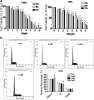
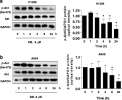
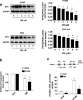
Chen, Tang, Wu et al
J. Exp. Clin. Cancer Res. (2015) 34 (1), 154 DOI: 10.1186/s13046-015-0272-0
Cited by 43
AI Summary: OriGene products contributed to this study by providing the overexpression vectors pCMV6-AC-Akt, pCMV6-AC-SP1, and pCMV6-AC-EP4, which were used in transient transfection assays to investigate the roles of these genes in solamargine's suppression of EP4 expression in human lung cancer cells.
Snippet: Flow Systems). Transient transfection assay. The control, Akt, SP1, and EP4 overexpression vectors (pCMV6-AC-Akt, pCMV6-AC-SP1, pCMV6-AC-EP4) were obtained from OriGene Technologies, Inc. (Rockville, MD, USA). The ... Cite SaveSaving
Extrinsic sphingosine 1-phosphate activates S1P5 and induces autophagy through generating endoplasmic reticulum stress in human prostate cancer PC-3 cells
Huang, Chang, Tang et al
Cell. Signal. (2013)
Huang, Chang, Tang et al
Cell. Signal. (2013)
Cited by 44
AI Summary: OriGene Technologies contributed to this study by providing plasmids for overexpression of full-length Akt, which were used to investigate the signaling pathways involved in S1P-induced ER stress and autophagy in human prostate cancer PC-3 cells.
Snippet: solution. The mixtures were electroporated with the PC-3-specific T-13 program. 2.7. Overexpression of Akt. Plasmids for over-expression of full-length Akt were purchased from OriGene Technologies (Rockville MD, USA). These ... Cite SaveSaving
Plasma membrane translocation of REDD1 governed by GPCRs contributes to mTORC1 activation
Michel, Matthes, Hachet-Haas et al
J. Cell. Sci. (2013)
Michel, Matthes, Hachet-Haas et al
J. Cell. Sci. (2013)
Cited by 35
AI Summary: OriGene products pCMV6-XL5-human REDD2 and AKT1 plasmids were used in this study to investigate the roles of REDD2 and AKT1 in GPCR-mediated regulation of mTORC1 signaling.
Snippet: The REDD1 fragment was generated by PCR and sub-cloned into pcDNA3 by inserting a KpnI-REDD1-Not1 PCR fragment using pd-humanREDD1-EYFP as a template (Simpson et al. 2000). pCMV6-XL5-human REDD2 and AKT1 were purchased at OriGene
Showing 1-6 of 8 papers.
Powered by BizGenius
*Delivery time may vary from web posted schedule. Occasional delays may occur due to unforeseen
complexities in the preparation of your product. International customers may expect an additional 1-2 weeks
in shipping.
Related Products
- Price:
- Actual Price:
Welcome to OriGene AI!
I'm your AI-powered guide to everything OriGene.
Ask me anything:
- Product specs
- Ordering help
- Technical questions
- How to find exactly what your experiment needs
Prefer a live agent? Connect with us by clicking the green chat icon, as seen in the image below or email our team at custsupport@origene.com.
