
ICAM1

Specifications
| Product Data | |
| Species | Rat |
|---|---|
| Assay Type | Sandwich ELISA kit of Quantitative Detection for Rat ICAM-1 |
| Assay Length | 3.5 hours incubations; 1 hour washing and analyzing samples |
| Signal | Colorimetric |
| Curve Range | 31.2pg/ml-2000pg/ml |
| Sample Type | Cell culture supernates, serum and plasma(heparin, EDTA). |
| Sample Volume | 100 ul |
| Specificity | This kit is used for quantitative detection of rat ICAM-1 |
| Sensitivity | <2pg/ml |
| Reactivity | Rat |
| Cross Reactivity | There is no detectable cross-reactivity with other relevant proteins. |
| Interference | No significant interference observed with available related molecules. |
| Components |
|
| Background | Intercellular adhesion molecule-1(ICAM-1) is an integral membrane protein, a member of the immunoglobulin superfamily, and a ligand for lymphocyte function-associated(LFA) antigens, a beta 2 leukocyte integrin. The normal function of human intercellular adhesion molecule-1(ICAM-1) is to provide adhesion between endothelial cells and leukocytes after injury or stress. ICAM-1 binds to leukocyte function-associated antigen(LFA-1) or macrophage-1 antigen(Mac-1). ICAM-1 is found on leukocytes, fibroblasts, epithelial cells and endothelial cells and its expression is regulated by inflammatory cytokines. ICAM-1 has a tissue distribution similar to that of the major histocompatibility complex class II antigens and is likely to play a role in inflammatory responses. The standard product used in this kit is produced by recombinant gene expression, which is a dimeric protein linked with disulfide bonds. |
| Gene Symbol | ICAM1 |
| Locus ID | 3383 |
| Shipping | Blue Ice |
Reviews


Documents
| Datasheet | |
| SDS | |
Citations
Vasculogenic mimicry structures in melanoma support the recruitment of monocytes
Tan, Cockshell, Moore et al
Oncoimmunology (2022) 11 (1), 2043673 DOI: 10.1080/2162402X.2022.2043673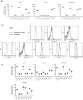
Tan, Cockshell, Moore et al
Oncoimmunology (2022) 11 (1), 2043673 DOI: 10.1080/2162402X.2022.2043673
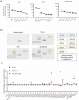
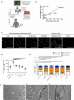
AI Summary: OriGene’s “Trilencer-27” ICAM-1 siRNA duplexes were used to knock down ICAM-1 expression in melanoma cells, enabling the study of ICAM-1’s role in leukocyte recruitment within vasculogenic mimicry structures.
Snippet: ). For ICAM-1 knockdown experiments, C32 melanoma cells (at 60%-70% confluency) were transfected with 10 nM ‘Trilencer-27’ siRNA duplexes from one of three different ICAM-1 targeting sequences (OriGene Technologies, Rockville, MD, USA) via Lipofectamine RNAiMAX (Invitrogen, Waltham, MA, USA) according to the manufacturer’s instructions. Transfection efficiency was verified at 72 h via fl
Roseltide rT7 is a disulfide-rich, anionic, and cell-penetrating peptide that inhibits proteasomal degradation
Kam, Loo, Fan et al
J. Biol. Chem. (2019)
Kam, Loo, Fan et al
J. Biol. Chem. (2019)
AI Summary: OriGene contributed pre-designed primer pairs (specifically for ICAM-1, NM_000201) used in the qPCR experiments to measure gene expression in the study.
Snippet: The pre-designed primer pairs (Origene, US) used in the qPCR reactions consisted of two sets of primers: (1) ICAM-1 (NM_ 000201): 5ʹ- AGC GGC TGA CGT GTG CAG TAA T-3ʹ (forward) and 5ʹ- TCT GAG ACC TCT GGC TTC GTC A-3ʹ (reverse) and (2) reference
Cell-type specific potent Wnt signaling blockade by bispecific antibody
Lee, Zhang, Su et al
Sci Rep (2018) 8 (1), 766 DOI: 10.1038/s41598-017-17539-z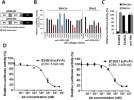
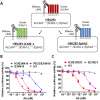
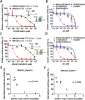
Lee, Zhang, Su et al
Sci Rep (2018) 8 (1), 766 DOI: 10.1038/s41598-017-17539-z
AI Summary: OriGene products, specifically full-length human LRP6, ICAM-1, and EphA2 cDNA cloned into pCMV-Entry, were used for sub-cloning or transient transfection to facilitate the development and testing of bispecific antibodies for cell type-selective Wnt signaling blockade in this study.
Snippet: …A notable difference between our guide/effector approach and oth;Full-length human LRP6, ICAM-1, or EphA2 cDNA cloned into pCMV-Entry (Origene) were used for sub-cloning or transient transfection. pFUSE-hIgG1-Fc2 (InvivoGen) was used for Fc-fusion constructs of truncated LRP6E1E2 and LRP6E3E4 domains. …
EPHB4, a down stream target of IFN-γ/STAT1 signal pathway, regulates endothelial activation possibly contributing to the development of preeclampsia
Liu, Hu, Liu et al
Am. J. Reprod. Immunol. (2016)
Liu, Hu, Liu et al
Am. J. Reprod. Immunol. (2016)
Cited by 18
AI Summary: OriGene contributed to this study by providing the ICAM-1 mouse monoclonal antibody, which was used to assess endothelial activation in the experiments.
Snippet: EPHB4, STAT-1 and horseradish peroxidase-conjugated secondary antibodies were obtained from Cell Signaling Technology (USA). ICAM-1 and β-actin mouse monoclonal antibody was purchased from Origene and Santa Cruz, respectively. 2.5 Plasmid transfection ... Cite SaveSaving
Basic motifs target PSGL-1, CD43, and CD44 to plasma membrane sites where HIV-1 assembles
Grover, Veatch, Ono
J. Virol. (2014)
Grover, Veatch, Ono
J. Virol. (2014)
AI Summary: In this study, OriGene products pCMV6-AC/PSGL-1 (human PSGL-1 cDNA clone) and pCMV6/human CD43 were used to express key transmembrane proteins, enabling the authors to investigate how polybasic motifs in these proteins facilitate their association with HIV-1 assembly sites at the plasma membrane.
Colon carcinoma cell interaction with liver sinusoidal endothelium inhibits organ-specific antitumor immunity through interleukin-1-induced mannose receptor in mice
Arteta, Lasuen, Lopategi et al
Hepatology (2010) 51 (6), 2172-82 DOI: 10.1002/hep.23590
Arteta, Lasuen, Lopategi et al
Hepatology (2010) 51 (6), 2172-82 DOI: 10.1002/hep.23590
Cited by 83
AI Summary: OriGene products contributed to this paper by providing anti-mouse mannose receptor (ManR) antibodies, which were used to block ManR function in liver sinusoidal endothelial cells and investigate their role in tumor-induced immunosuppression during hepatic metastasis.
Showing 1-6 of 6 papers.
Powered by BizGenius
*Delivery time may vary from web posted schedule. Occasional delays may occur due to unforeseen
complexities in the preparation of your product. International customers may expect an additional 1-2 weeks
in shipping.
Related Products
- Price:
- Actual Price:
Welcome to OriGene AI!
I'm your AI-powered guide to everything OriGene.
Ask me anything:
- Product specs
- Ordering help
- Technical questions
- How to find exactly what your experiment needs
Prefer a live agent? Connect with us by clicking the green chat icon, as seen in the image below or email our team at custsupport@origene.com.
