
LC3B (MAP1LC3B) Rabbit Polyclonal Antibody

Specifications
| Product Data | |
| Application | Electron Microscopy, FC, ICC/IF, IHC, Immunoblotting, IP, Simple Western, WB |
|---|---|
| Recommended Dilution | Immunoblotting, Knockdown Validated, Flow Cytometry: 1:200, Immunohistochemistry Free-Floating, Knockout Validated, Immunoprecipitation, Immunocytochemistry/ Immunofluorescence, Simple Western: 1:100, Western Blot: 1:1000, Immunohistochemistry-Paraffin: 1:200-1:400, Immunohistochemistry-Frozen: 1:400, Electron Microscopy, Immunohistochemistry |
| Reactivity | Human, Mouse |
| Antibody Host | Rabbit |
| Isotype | IgG |
| Clonality | Polyclonal |
| Immunogen | A synthetic peptide made to the N-terminal region of the human LC3, isoform B protein. |
| Buffer | Tris-glycine, 150mM NaCl and 0.05% sodium azide |
| Purification | peptide affinity purified |
| Conjugation | Unconjugated |
| Storage | Store at -20°C as received. |
| Stability | Stable for 12 months from date of receipt. |
| Shipping | Blue Ice |
| Gene Name | microtubule associated protein 1 light chain 3 beta |
| Database Link | |
| Background | Autophagy is a process of intracellular bulk degradation in which cytoplasmic components, including organelles, are sequestered within double-membrane vesicles that deliver the contents to the lysosome/vacuole for degradation. During macroautophagy, the sequestering vesicles, termed autophagosomes, fuse with the lysosome or vacuole resulting in the delivery of an inner vesicle (autophagic body) into the lumen of the degradative compartment. There are 16 proteins participating in the autophagy pathway in humans. The autophagy protein LC3, a mammalian homologue of Atg8, was originally identified as microtubule-associated protein 1 light chain 3. It is a component of both the MAP1A and MAP1B microtubule-binding domains and the heavy-chain independent regulation of LC3 expression may modify MAP1 microtubule-binding activity during development. LC3 is the only known mammalian protein identified that stably associates with the autophagosome membranes. LC3-I is cytosolic and LC3-II is membrane bound and enriched in the autophagic vacuole fraction. The detection of LC3-I to LC3-II conversion is a useful and sensitive marker for distinguishing autophagy in mammalian cells. |
| Synonyms | 1BLC3; ATG8F; LC3B; MAP1A; MAP1LC3B-a |
| Reference Data | |
| Protein Categories | Intracellular Proteins |
Reviews


Documents
| Product Manuals |
| FAQs |
| SDS |
Citations
Optogenetically engineered calcium oscillations promote autophagy-mediated cell death via AMPK activation
Lai, Hsieh, Nguyen et al
Open Biol (2024) 14 (4), 240001 DOI: 10.1098/rsob.240001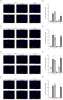
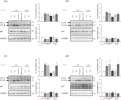
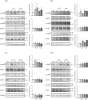
Lai, Hsieh, Nguyen et al
Open Biol (2024) 14 (4), 240001 DOI: 10.1098/rsob.240001
Cited by 4
AI Summary: In this study, OriGene’s LC3B antibody (catalog #TA301543) was used to detect autophagy levels via immunofluorescence staining, enabling the assessment of how optogenetically engineered calcium oscillations influence autophagy-mediated cell death.
Snippet: Cell Signaling), DAPK1 (#3008;Cell Signaling), phospho-DAP-Kinase (pSer308, #D4941;Sigma–Aldrich), mTOR (#sc-517464;Santa Cruz), phospho-mTOR (pSer2481, #sc-293089;Santa Cruz), LC3B (#TA301543;OriGene), p62 (#GTX100685;GeneTex). 2.5. Immunofluorescence staining Cells were seeded in a 3 cm glass-bottom dish (#16235-1S;Alpha Plus) overnight. After light and chemical treatments, the cells w
Exploring the multifaceted impact of lanthanides on physiological pathways in human breast cancer cells
Huang, Hsu, Liu et al
Toxicology (2024) 502, 153731 DOI: 10.1016/j.tox.2024.153731
Huang, Hsu, Liu et al
Toxicology (2024) 502, 153731 DOI: 10.1016/j.tox.2024.153731
Cited by 8
AI Summary: OriGene's anti-LC3B antibody (TA301543) was used in this study to assess autophagy-related protein expression, contributing to the investigation of how lanthanum and cerium affect protein homeostasis in breast cancer cells.
Snippet: Lanthanum (La) and cerium (Ce), rare earth elements with physical properties similar to calcium (Ca), are generally considered non-toxic when used appropriately;anti-tubulin (Merk, CBL270), anti-p21 (Abcam, ab109520), anti-ubiquitin (Abcam, ab7254), and anti-LC3B (Origene, TA301543), anti-Akt (Cell signaling, 4691), anti-p-Akt (Cell signaling, 4090), anti-Rad51 (Cell signaling, 8875), followed by a horseradish peroxidase-conjugated secondary antibody (Cell Signaling Technology). …
High-dose copper activates p53-independent apoptosis through the induction of nucleolar stress in human cell lines
Chen, Chou, Yang et al
Apoptosis (2021) 26 (11-12), 612-627 DOI: 10.1007/s10495-021-01692-y
Chen, Chou, Yang et al
Apoptosis (2021) 26 (11-12), 612-627 DOI: 10.1007/s10495-021-01692-y
Cited by 31
AI Summary: In this study, the OriGene anti-light chain 3 B (LC3B, TA301543) antibody was used to investigate the cellular response to high-dose copper treatment, contributing to the analysis of apoptosis and nucleolar stress mechanisms.
Snippet: Abstract Copper is an essential micronutrient involved in many redox reactions in human cells. However, a high concentration of copper, intake from the environment or abnormal accumulation within cells because of genetic mutation, leads to cell toxicity. This is to Save;anti-light chain 3 B (LC3B, OriGene, TA301543), anti-eS1 (Bethyl, A305-03A),
YM155 and BIRC5 downregulation induce genomic instability via autophagy-mediated ROS production and inhibition in DNA repair
Cheng, Lin, Chang et al
Pharmacol Res (2021) 166, 105474 DOI: 10.1016/j.phrs.2021.105474
Cheng, Lin, Chang et al
Pharmacol Res (2021) 166, 105474 DOI: 10.1016/j.phrs.2021.105474
Cited by 33
The bile acid activated receptors GPBAR1 and FXR exert antagonistic effects on autophagy
Carino, Marchianò, Biagioli et al
FASEB J (2021) 35 (1), e21271 DOI: 10.1096/fj.202001386R
Carino, Marchianò, Biagioli et al
FASEB J (2021) 35 (1), e21271 DOI: 10.1096/fj.202001386R
AI Summary: In this study, OriGene's GAPDH antibody (Mouse, 1:10000) was used as a loading control in immunoblotting experiments to assess protein expression related to autophagy.
Snippet: Abstract Autophagy is a highly conserved catabolic process activated by fasting and caloric restriction. FXR, a receptor for primary bile acids, reverses the activity of cAMP‐response element bindi...;and then incubated with primary antibodies against LC3 made in Rabbit (Sigma, 1:500) and GAPDH made in Mouse (OriGene, 1:10000)
NCOA4-mediated ferritinophagy promotes ferroptosis induced by erastin, but not by RSL3 in HeLa cells
Gryzik, Asperti, Denardo et al
Biochim Biophys Acta Mol Cell Res (2020) 1868 (2), 118913 DOI: 10.1016/j.bbamcr.2020.118913
Gryzik, Asperti, Denardo et al
Biochim Biophys Acta Mol Cell Res (2020) 1868 (2), 118913 DOI: 10.1016/j.bbamcr.2020.118913
Cited by 173
Showing 1-6 of 15 papers.
Powered by BizGenius
*Delivery time may vary from web posted schedule. Occasional delays may occur due to unforeseen
complexities in the preparation of your product. International customers may expect an additional 1-2 weeks
in shipping.
Related Products
- Price:
- Actual Price:
Welcome to OriGene AI!
I'm your AI-powered guide to everything OriGene.
Ask me anything:
- Product specs
- Ordering help
- Technical questions
- How to find exactly what your experiment needs
Prefer a live agent? Connect with us by clicking the green chat icon, as seen in the image below or email our team at custsupport@origene.com.
