
NLRC3 Rabbit Polyclonal Antibody

Specifications
| Product Data | |
| Application | ELISA, IHC, WB |
|---|---|
| Recommended Dilution | ELISA. Immunohistochemistry on Paraffin Sections: 5 µg/ml. Western Blot: 1 - 2 µg/ml. |
| Reactivity | Human, Mouse, Rat |
| Antibody Host | Rabbit |
| Clonality | Polyclonal |
| Immunogen | Synthetic peptide - KLH conjugated |
| Specificity | Human NLRC3 |
| Buffer | PBS containing 0.02% Sodium as preservative State: Purified State: Liquid purified Ig fraction. |
| Concentration | lot specific |
| Purification | Immunoaffinity Chromatography. |
| Conjugation | Unconjugated |
| Storage | Store the antibody undiluted at 2-8°C. Avoid repeated freezing and thawing. |
| Stability | Shelf life: one year from despatch. |
| Shipping | Blue Ice |
| Gene Name | NLR family, CARD domain containing 3 |
| Database Link | |
| Background | NOD3 is a member of the NOD (nucleotide-binding oligomerization domain) family, a group of proteins that are involved in innate immune defense. NOD3 also known as NLR family CARD containing 3 (NLRC3), is predominantly expressed in the immune system, particularly in T lymphocytes, and its expression is strongly down-regulated following stimulation of the T-cell receptor complex and CD28, suggesting that NOD3 plays a role in attenuating the activation of T cells. NOD3 inhibits NF-?B, AP-1 and NFAT transcriptional activation in Jurkat T cells downstream of CD3/CD28 stimulation or treatment with PMA/ionomycin and decreases IL-2 and CD25 mRNA induction in activated cells. |
| Synonyms | NOD3, CARD15-like protein, Caterpiller protein 16.2, CLR16.2 |
| Reference Data | |
| Protein Categories | Cytokines, Intracellular Proteins |
| Protein Families | Druggable Genome |
Reviews


Documents
| Product Manuals |
| FAQs |
| SDS |
Citations
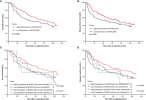
NLRC3 High Expression Represents a Novel Predictor for Positive Overall Survival Correlated With CCL5 and CXCL9 in HCC Patients
Wang, Shi, Xu et al
Front Oncol (2022) 12, 815326 DOI: 10.3389/fonc.2022.815326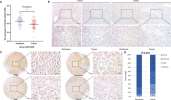
Wang, Shi, Xu et al
Front Oncol (2022) 12, 815326 DOI: 10.3389/fonc.2022.815326
Cited by 12
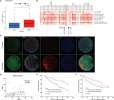
AI Summary: OriGene's rabbit anti-NLRC3 antibody was used for multiple immunohistochemistry to evaluate NLRC3 expression levels in hepatocellular carcinoma tissue samples in this study.
Snippet: (0-3) or high (4-7). Multiple Immunohistochemistry Multiple immunohistochemistry (mIHC) was conducted by the Opal method on TMAs. Tissues were incubated with antibodies: rabbit anti-NLRC3 antibody (Origene, USA), rabbit anti-CD8 antibody (Abcam, UK), rabbit anti-CD11c antibody (Abcam, UK), et al. After a subsequent antigen retrieval, the nuclei were counterstained with DAPI at room temperature
Showing 1-1 of 1 papers.
Powered by BizGenius
*Delivery time may vary from web posted schedule. Occasional delays may occur due to unforeseen
complexities in the preparation of your product. International customers may expect an additional 1-2 weeks
in shipping.
Related Products
- Price:
- Actual Price:
Welcome to OriGene AI!
I'm your AI-powered guide to everything OriGene.
Ask me anything:
- Product specs
- Ordering help
- Technical questions
- How to find exactly what your experiment needs
Prefer a live agent? Connect with us by clicking the green chat icon, as seen in the image below or email our team at custsupport@origene.com.
