
MegaTran 2.0, plasmid DNA transfection reagent (1 mL)

$310.00
In Stock*
Specifications
| Product Data | |
| Components | One (1) Vial MegaTran 2.0 Transfection Reagent (1 mL) |
|---|---|
| Features |
» Superior transfection efficiency » Broad cell spectrum » Competitive pricing |
| Quality Control | Each batch of MegaTran 2.0 Transfection Reagent has been tested using a standard transfection protocol. |
| Stability | The transfection reagent is stable for one (1) year from date of shipping when stored properly. |
| Storage | Upon receipt, please store the MegaTran 2.0 Transfection Reagent at 4°C. |
| Type | Transfection |
| OTI Replacement Note | TT210003 is a replacement of TT200003 and TT200004. |
| Shipping | Blue Ice |
| Description | MegaTran 2.0, plasmid DNA transfection reagent (1 mL), 660 rxns for 24-well plate |
Reviews


Documents
| Manual | |
| SDS | |
Citations
Hypoxia-Enhanced N110 Glycosylation of Hemagglutinin Promotes H3N2 Influenza Virus Fitness by Modulating Receptor Binding and Immune Evasion
Zhang, Fang, Liu et al
Viruses (2026) 18 (5), 547-547 DOI: 10.3390/v18050547
Zhang, Fang, Liu et al
Viruses (2026) 18 (5), 547-547 DOI: 10.3390/v18050547
AI Summary: OriGene’s Megatran reagent (TT210003) was used for transfecting HEK293T cells to produce lentiviruses, enabling the generation of stable cell lines essential for investigating the role of HA glycosylation in H3N2 influenza virus adaptation.
Snippet: alo Alto, CA, USA). For lentiviral infection, HEK293T cells were co-transfected with recombinant lentiviral vector and pPACK Packing Plasmid Mix (System Biosciences) using Megatran reagent (TT210003, Origene, Rockville, MD, USA) to obtain lentiviruses. Viral supernatant was used to infect A549 cells in the presence of polybrene (10 μg/mL). Stable cell lines were obtained following puromycin selec
Inhibition of ZBTB7B-mediated ADPGK transcription by NEDD4 impedes glycolysis and progression of lung adenocarcinoma
Liu, Huang, Yang et al
Oncogenesis (2026) 15 (1) DOI: 10.1038/s41389-026-00605-5
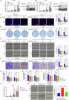
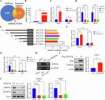
Liu, Huang, Yang et al
Oncogenesis (2026) 15 (1) DOI: 10.1038/s41389-026-00605-5
AI Summary: OriGene’s MegaTran 2.0 plasmid DNA transfection reagent (#TT210003) and siTran 2.0 siRNA transfection reagent (#TT210001) were used to efficiently introduce plasmids and siRNAs into cells, enabling the functional studies of gene regulation in lung adenocarcinoma described in the paper.
Snippet: "Sec7">Plasmid and siRNA transfectionPlasmids and siRNAs were transfected following the manufacturer’s instructions using MegaTran 2.0 plasmid DNA transfection reagent (Origene, #TT210003) or siTran 2.0 siRNA transfection reagent (Origene, # TT210001). … For plasmid transfection, DNA–lipid co;- Plasmids and siRNAs were transfected following the manufacturer’s instructions using MegaTran 2.0 plasmid DNA transfection reagent (Origene, #TT210003) or siTran
Cancer Cell-Derived Large Extracellular Vesicles Promote Venous Thromboembolism by Activating NETosis Through Delivering CYBA
Li, Ju, Xu et al
Adv Sci (Weinh) (2025)
Li, Ju, Xu et al
Adv Sci (Weinh) (2025)
Cited by 4
AI Summary: OriGene products MegaTran 2.0 and siTran 2.0 were used for plasmid and siRNA transfection in cancer cells to study the role of extracellular vesicle-mediated CYBA delivery in promoting NETosis and venous thromboembolism.
Prognostic implications of the interaction between intratumoral microbiome and immune response in gastric cancer
Liu, Qi, Dong et al
Microbiol Spectr (2025)
Liu, Qi, Dong et al
Microbiol Spectr (2025)
Cited by 3
AI Summary: OriGene's Megatran 2.0 transfection reagent (TT210003) was used to introduce plasmids into cells, enabling the functional studies of key immune genes in the investigation of gastric cancer prognosis and the tumor microenvironment.
Snippet: Mycoplasma contamination was assessed every 2 months using a mycoplasma detection kit (C0297S, Beyotime Biotechnology). The plasmids for mouse CXCR4, GPR35, and LMNB2 were purchased from Youbio (Changsha, China) and transfected according to the instructions provided with Lipofectamine 2000 (11668019, Thermo Fisher Scientific) or Megatran 2.0 (TT210003, Origene)
SIRT5-mediated BCAT1 desuccinylation and stabilization leads to ferroptosis insensitivity and promotes cell proliferation in glioma
Wang, Han, Chen et al
Cell Death Dis (2025) 16 (1), 261 DOI: 10.1038/s41419-025-07626-9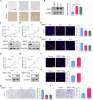
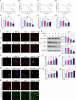
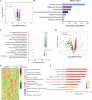
Wang, Han, Chen et al
Cell Death Dis (2025) 16 (1), 261 DOI: 10.1038/s41419-025-07626-9
Cited by 13
AI Summary: In this study, OriGene's SIRT5 siRNAs (#SR323578) and siTran 2.0 siRNA transfection reagent (#TT320001) were used to knock down SIRT5 expression in glioma and HMC3 cells, enabling the investigation of SIRT5's role in glioma cell proliferation and ferroptosis sensitivity.
Snippet: (Origene, #SR323578) were transfected into HMC3 and glioma cells using siTran 2.0 siRNA transfection reagent (Origene, # reagent (Origene, #TT210003), respectively.;repeat (STR) analysis performed by Biowing Applied Biotechnology (Shanghai, China). … Cell transfection SIRT5 siRNAs (Origene, #SR323578) were transfected into HMC3 and glioma cells using siTran 2.0 siRNA transfection reagent (Origene, #TT320001) according to the manufacturer’s instructions. …
β-hydroxybutyrate serves as a regulator in ketone body metabolism through lysine β-hydroxybutyrylation
Fang, Hu, Luo et al
J Biol Chem (2025) 301 (5), 108475 DOI: 10.1016/j.jbc.2025.108475
Fang, Hu, Luo et al
J Biol Chem (2025) 301 (5), 108475 DOI: 10.1016/j.jbc.2025.108475
Cited by 11
AI Summary: OriGene’s transfection reagent kit (TT210003) was used to introduce plasmids for gene overexpression assays, enabling the study of how β-hydroxybutyrate-mediated lysine β-hydroxybutyrylation regulates key enzymes in ketone body metabolism.
Snippet: For gene overexpression assay, cells at approximately 90% confluence were transfected with the indicated plasmids using a transfection reagent kit (OriGene;TT210003). For interfering RNAs, the targeted human OXCT1 and HMGCS2 siRNA (hOXCT1 and hHMGCS2) and negative control siRNA were synthesized by Guangzhou RiboBio Co, Ltd. The details of siRNA sequences are listed in Table S1
Showing 1-6 of 9 papers.
Powered by BizGenius
*Delivery time may vary from web posted schedule. Occasional delays may occur due to unforeseen
complexities in the preparation of your product. International customers may expect an additional 1-2 weeks
in shipping.
Related Products
- Price:
- Actual Price:
Welcome to OriGene AI!
I'm your AI-powered guide to everything OriGene.
Ask me anything:
- Product specs
- Ordering help
- Technical questions
- How to find exactly what your experiment needs
Prefer a live agent? Connect with us by clicking the green chat icon, as seen in the image below or email our team at custsupport@origene.com.
