
TurboFectin 8.0 Transfection Reagent (1 mL in 1 vial)


$530.00
In Stock*
Specifications
| Product Data | |
| Components | One (1) Vial TurboFectin Transfection Reagent (1.05 mL) 1 TurboFectin Application Guide |
|---|---|
| Features |
|
| Quality Control | Each batch of TurboFectin Transfection Reagent has been tested and yields at least 8 ng of luciferase per 35 mm well after transfection into NIH3T3 cells. TurboFectin reagent is supplied in ethanol to ensure sterility |
| Stability | The transfection reagent is stable for one (1) year from date of shipping when stored at +4°C. |
| Storage | Upon receipt, please store the TurboFectin Transfection Reagent at +4°C. |
| Type | Transfection Reagent |
| Shipping | Ambient |
| Description | TurboFectin Transfection Reagent (1 mL in 1 vial) |
Reviews (1)

Documents
| Datasheet | |
| Manual | |
| SDS | |
Citations
SNP rs11618521 modifies transcription factor NANOG-mediated expression of KPNA3 and the age at onset of spinocerebellar ataxia type 3
Han, Czisch, Wanner et al
Acta Neuropathol (2026) 152 (1) DOI: 10.1007/s00401-026-03051-0
Han, Czisch, Wanner et al
Acta Neuropathol (2026) 152 (1) DOI: 10.1007/s00401-026-03051-0
AI Summary: OriGene’s Turbofectin 8.0 transfection reagent enabled researchers to increase gene expression in cells, helping them investigate mechanisms involved in spinocerebellar ataxia type 3.
Snippet: ection and treatmentFor transfection, cells were seeded at an appropriate density to reach 70–80% confluency before transfection. For overexpression, Turbofectin 8.0 (TF81001, Origene Technologies, Rockville, MD, USA) was used according to the manufacturer’s instructions. For gene knockdown, HEK293T and U87-MG cells were transfected with esiRNA using Effectene (301425, QI
Acute Hypoxia Induces Cardiomyocyte Autophagy via SIRT5/mTOR/ULK1 Pathway
Wang, Wei, Wu et al
Biomed Res Int (2026) 2026 (1), e8867024 DOI: 10.1155/bmri/8867024
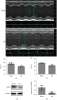
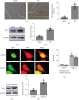
Wang, Wei, Wu et al
Biomed Res Int (2026) 2026 (1), e8867024 DOI: 10.1155/bmri/8867024
AI Summary: OriGene’s TurboFectin 8.0 (TF81001) was used to deliver SIRT5 siRNA constructs into heart muscle cells, helping researchers study how reducing SIRT5 affects cellular recycling and mitochondrial function under low-oxygen conditions.
Snippet: merged points (points/cell were counted).2.8. SIRT5 siRNA TransfectionDelivering plasmid DNA constructs (SIRT5 siRNA) into cells using TurboFectin 8.0 (Origene Technologies, TF81001) generated stable clones. Cells were seeded on a 24‐well plate. TurboFectin reagents were mixed with serum‐free DMEM at room temperature. Then, plasmid DNA was added
Prime editing enables high-throughput identification and characterization of selective MutSβ inhibitors
Jing, Yan, Yang et al
bioRxiv (2026)
Jing, Yan, Yang et al
bioRxiv (2026)
AI Summary: OriGene’s TurboFectin 8.0 was used to deliver prime-editing constructs into HAP1 cells, supporting the study’s investigation of DNA mismatch repair and MutSβ inhibitors.
Snippet: … Transduced cells were then cultured and split as needed for 4-5 days, and then transfected with pCMV-PEmax-EGFP or pCMV-PE7-EGFP, by TurboFectin 8.0 (OriGene, TF81001) for HAP1, TransIT-HeLaMONSTER (mirus bio, MIR2904) for HeLa, Lipofectamine 2000 (Invitrogen, 11668027) for U-2 OS and Lenti-X 293T, and Lipofectamine LTX (Invitrogen, 15338030) for H;- DNA mismatch repair (MMR) maintains genome stability but paradoxically drives expansion of pathogenic repeats responsible for trinucleotide repeat disorders
Unravelling resistance mechanisms of oncolytic viruses in glioblastoma
Deconinck, Dierckx, Smet et al
bioRxiv (2026)
Deconinck, Dierckx, Smet et al
bioRxiv (2026)
AI Summary: OriGene’s TurboFectin 8.0 (#TF81001) was used as the transfection reagent to generate virus-like particles in HEK293T cells, facilitating genetic manipulation essential for studying resistance mechanisms to oncolytic viruses in glioblastoma.
Snippet: Virus-like particles (VLPs) were generated in HEK293T cells via co-transfection of pBS‑CMV‑gagpol (RRID: Addgene_35614), pCMV‑MMLVgag‑3xNES‑Cas9 (RRID: Addgene_181752), pCMV‑VSV‑G (RRID: Addgene_8454), and the pU6‑sgRNA plasmid using an MLV‑based production system30 . HEK293T cells were plated in T150 flasks and transfected at 70–80% confluence using TurboFectin 8.0 (Origene, #TF81001)
Spindle Assembly Checkpoint Competency Determines Sensitivity to KIF18A Inhibition in Small-Cell Lung Cancer
Tabe, Kumar, Huang et al
bioRxiv (2026)
Tabe, Kumar, Huang et al
bioRxiv (2026)
AI Summary: OriGene’s TurboFectin 8.0 (TF81001) was used for transfecting plasmids into cells to generate fluorescently labeled cell lines for live-cell imaging in this study.
Snippet: pHIV-H2B-eGFP (91776, 134 Addgene) or pHIV-H2B-mRFP (18982, Addgene) using TurboFectin 8.0 (TF81001, OriGene). 135 Viral supernatants were collected and used to infect target cells in the presence of polybrene (2 136 μg/mL)
ATP-Red enables single-cell bioenergetic phenotyping by flow cytometry
Marin, Singh, Fuchs et al
Cell Rep Methods (2026)
Marin, Singh, Fuchs et al
Cell Rep Methods (2026)
AI Summary: OriGene's TurboFectin 8.0 Transfection Reagent (SKU TF81001) was used in this study to facilitate the transfection of cells, enabling the evaluation of ATP-Red as a single-cell bioenergetic phenotyping tool by flow cytometry.
Snippet: Trypan blue, 0.04% Thermo Fisher Scientific Cat#15250061 0.25% trypsin-EDTA Gibco Cat#25200-056 TurboFectin 8.0 Transfection Reagent OriGene SKU TF81001
Showing 1-6 of 85 papers.
Powered by BizGenius
*Delivery time may vary from web posted schedule. Occasional delays may occur due to unforeseen
complexities in the preparation of your product. International customers may expect an additional 1-2 weeks
in shipping.
Related Products
- Price:
- Actual Price:
Welcome to OriGene AI!
I'm your AI-powered guide to everything OriGene.
Ask me anything:
- Product specs
- Ordering help
- Technical questions
- How to find exactly what your experiment needs
Prefer a live agent? Connect with us by clicking the green chat icon, as seen in the image below or email our team at custsupport@origene.com.
