
Hvcn1 Rabbit Polyclonal Antibody

Specifications
| Product Data | |
| Application | FC, WB |
|---|---|
| Recommended Dilution | WB: 1:200-1:2000; IHC: 1:100-1:3,000; FC: 1:50-1:600 |
| Reactivity | Human, Mouse, Rat |
| Antibody Host | Rabbit |
| Clonality | Polyclonal |
| Immunogen | Peptide (C)GDDYHTWNVNYKK, corresponding to amino acid residues 32-44 of mouse HVCN1. Intracellular, N-terminus. |
| Buffer | Lyophilized. Concentration before lyophilization ~0.8mg/ml (lot dependent, please refer to CoA along with shipment for actual concentration). Buffer before lyophilization: phosphate buffered saline (PBS), pH 7.4, 1% BSA, 0.05% NaN3. |
| Reconstitution Method | Add 50 ul double distilled water (DDW) to the lyophilized powder. |
| Purification | Affinity purified on immobilized antigen. |
| Conjugation | Unconjugated |
| Storage | Store at -20°C as received. |
| Stability | Stable for 12 months from date of receipt. |
| Shipping | Ambient |
| Gene Name | hydrogen voltage-gated channel 1 |
| Database Link | |
| Background | Currents measured from voltage-gated proton channels were detected long before the channel (HVCN1, also known as Hv1 and VSOP) was cloned. HVCN1 has four membrane spanning domains and intracellular N- and C-termini. Interesting aspects of HVCN1 is that unlike its voltage-gated ion channel counterparts, it has no pore domain. Also, functional HVCN1 channels are formed by dimers where each monomer has its own conducting pore, each with its own voltage sensor (voltage sensing occurs similarly to other voltage-gated ion channels). The fundamental role of HVCN1 is to pump out protons, thereby increasing the intracellular pH. The channel is exclusively selective for H+ and opens upon membrane depolarization, although its open state hugely depends on the pH on both sides of the membrane. Its role is best described in leukocytes where phosphorylation via PKC on a Thr residue potentiates the activity of the channel and increases its open state, thereby increasing the H+ current across the membrane, in this manner mediating optimal NADPH-oxidase (whose optimal activity is at pH 7.5) required for the production of reactive oxygen species (ROS) necessary for phagocytosis to occur. Apart from leukocytes, HVCN1 is also expressed in basophils where its activation mediates histamine release. In B cells, it maintains optimal signaling, such that ROS production is maintained high. HVCN1 was found to regulate human spermatozoa activation. Finally, in the airway mucosa, where it regulates pH, channel gating there, is mostly mediated by differences in pH across the membrane as opposed to the membrane potential. |
| Synonyms | HV1; MGC15619; VSOP |
| Reference Data | |
| Protein Categories | Intracellular Proteins, Membrane Proteins |
Reviews


Documents
| Product Manuals |
| FAQs |
| SDS |
Citations
Microglial HVCN1 Deficiency Improves Movement and Survival of SOD1G93A ALS Mice by Enhancing Microglial Migration and Neuroprotection
Wang, Zhang, Zhu et al
Adv Sci (Weinh) (2026)
Wang, Zhang, Zhu et al
Adv Sci (Weinh) (2026)
Neutralization of Hv1/HVCN1 With Antibody Enhances Microglia/Macrophages Myelin Clearance by Promoting Their Migration in the Brain
Wang, Ma, Wu et al
Front Cell Neurosci (2021) 15, 768059 DOI: 10.3389/fncel.2021.768059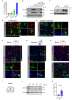
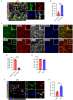
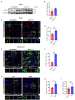
Wang, Ma, Wu et al
Front Cell Neurosci (2021) 15, 768059 DOI: 10.3389/fncel.2021.768059
Cited by 12
AI Summary: In this study, OriGene’s anti-HVCN1 antibody (Cat# TA322322) and HVCN1 shRNA plasmid (Cat# TL513226) were used to neutralize and knock down HVCN1, respectively, demonstrating that inhibition of HVCN1 enhances microglia/macrophage migration and myelin debris clearance in the brain.
Showing 1-2 of 2 papers.
Powered by BizGenius
*Delivery time may vary from web posted schedule. Occasional delays may occur due to unforeseen
complexities in the preparation of your product. International customers may expect an additional 1-2 weeks
in shipping.
Related Products
- Price:
- Actual Price:
Welcome to OriGene AI!
I'm your AI-powered guide to everything OriGene.
Ask me anything:
- Product specs
- Ordering help
- Technical questions
- How to find exactly what your experiment needs
Prefer a live agent? Connect with us by clicking the green chat icon, as seen in the image below or email our team at custsupport@origene.com.
