
Mdm2 Mouse siRNA Oligo Duplex (Locus ID 17246)

$518.00
In Stock*
Specifications
| Product Data | |
| Purity | HPLC purified |
|---|---|
| Quality Control | Tested by ESI-MS |
| Sequences | Available with shipment |
| Components |
Mdm2 (Mouse) - 3 unique 27mer siRNA duplexes - 2 nmol each (Locus ID 17246)Included - SR30004, Trilencer-27 Universal Scrambled Negative Control siRNA Duplex - 2 nmolIncluded - SR30005, RNAse free siRNA Duplex Resuspension Buffer - 2 ml
|
| Stability | One year from date of shipment when stored at -20°C. |
| Shipping | Ambient |
| # of Transfections | Approximately 330 transfections/2nmol in 24-well plate under optimized conditions (final conc. 10 nM). |
| Note | Single siRNA duplex (10nmol) can be ordered. |
| Reference Data | |
| RefSeq | NM_001288586, NM_010786 |
| UniProt ID | P23804 |
| Synonyms | 1700007J15Rik; AA415488; Mdm-2 |
| Summary | E3 ubiquitin-protein ligase that mediates ubiquitination of p53/TP53, leading to its degradation by the proteasome (PubMed:15195100, PubMed:21804542). Inhibits p53/TP53- and p73/TP73-mediated cell cycle arrest and apoptosis by binding its transcriptional activation domain (By similarity). Also acts as a ubiquitin ligase E3 toward itself, ARRB1 and ARBB2 (PubMed:11588219). Permits the nuclear export of p53/TP53 (By similarity). Promotes proteasome-dependent ubiquitin-independent degradation of retinoblastoma RB1 protein (By similarity). Inhibits DAXX-mediated apoptosis by inducing its ubiquitination and degradation (By similarity). Component of the TRIM28/KAP1-MDM2-p53/TP53 complex involved in stabilizing p53/TP53 (By similarity). Also component of the TRIM28/KAP1-ERBB4-MDM2 complex which links growth factor and DNA damage response pathways (By similarity). Mediates ubiquitination and subsequent proteasome degradation of DYRK2 in nucleus (By similarity). Ubiquitinates IGF1R and SNAI1 and promotes them to proteasomal degradation (By similarity). Ubiquitinates DCX, leading to DCX degradation and reduction of the dendritic spine density of olfactory bulb granule cells (PubMed:25088421). Ubiquitinates DLG4, leading to proteasomal degradation of DLG4 which is required for AMPA receptor endocytosis (PubMed:14642282).UniProtKB/Swiss-Prot Function |
| Performance Guaranteed | OriGene guarantees that at least two of the three Dicer-Substrate duplexes in the kit will provide at least 70% or more knockdown of the target mRNA when used at 10 nM concentration by quantitative RT-PCR when the TYE-563 fluorescent transfection control duplex (cat# SR30002) indicates that >90% of the cells have been transfected and the HPRT positive control (cat# SR30003) provides 90% knockdown efficiency. For non-conforming siRNA, requests for replacement product must be made within ninety (90) days from the date of delivery of the siRNA kit. To arrange for a free replacement with newly designed duplexes, please contact Technical Services at techsupport@origene.com. Please provide your data indicating the transfection efficiency and measurement of gene expression knockdown compared to the scrambled siRNA control (quantitative RT-PCR data required). |
Reviews


Documents
| Product Manuals |
| FAQs |
| SDS |
Resources
Citations
Loss of peptidase D binding restores the tumor suppressor functions of oncogenic p53 mutants
Yang, Li, Bhattacharya et al
Commun Biol (2021) 4 (1), 1373 DOI: 10.1038/s42003-021-02880-x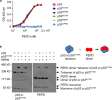
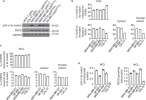
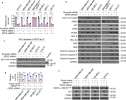
Yang, Li, Bhattacharya et al
Commun Biol (2021) 4 (1), 1373 DOI: 10.1038/s42003-021-02880-x
Cited by 6
AI Summary: OriGene’s pCMV6-XL5-human PEPD plasmid (Cat# SC119982) was used to generate PEPD expression constructs that enabled the study of PEPD’s interaction with mutant p53 in this research.
Snippet: … pCMV6-XL5-human PEPD (Origene, Cat# SC119982) was used to generate pCMV6-XL5-human PEPDG278D for mammalian expression of PEPDG278D without 3′-UTR. All mutations were generated using the QuikChange Lightning Site-Directed;pCMV6-XL5-human PEPD (Origene, Cat# SC119982) was used to generate pCMV6-XL5-human PEPDG278D
Showing 1-1 of 1 papers.
Powered by BizGenius
*Delivery time may vary from web posted schedule. Occasional delays may occur due to unforeseen
complexities in the preparation of your product. International customers may expect an additional 1-2 weeks
in shipping.
Related Products
- Price:
- Actual Price:
Welcome to OriGene AI!
I'm your AI-powered guide to everything OriGene.
Ask me anything:
- Product specs
- Ordering help
- Technical questions
- How to find exactly what your experiment needs
Prefer a live agent? Connect with us by clicking the green chat icon, as seen in the image below or email our team at custsupport@origene.com.
