
Tgfbr2 Mouse shRNA Plasmid (Locus ID 21813)
SKU
TR516186
Tgfbr2 - Mouse, 4 unique 29mer shRNA constructs in retroviral untagged vector, 5µg of each construct provided

$883.00
In Stock*
Specifications
| Product Data | |
| Locus ID | 21813 |
|---|---|
| Synonyms | 1110020H15Rik; AU042018; DNIIR; RIIDN; TbetaR-II; TbetaRII; TBR-II |
| Vector | pRS |
| E. coli Selection | Ampicillin |
| Mammalian Cell Selection | Puromycin |
| Format | Retroviral plasmids |
| Components | Tgfbr2 - Mouse, 4 unique 29mer shRNA constructs in retroviral untagged vector(Gene ID = 21813). 5µg purified plasmid DNA per construct29-mer scrambled shRNA cassette in pRS Vector, TR30012, included for free. |
| RefSeq | BC052629, NM_009371, NM_029575, NM_009371.1, NM_009371.2, NM_009371.3, NM_029575.2, NM_029575.3, BC016262 |
| UniProt ID | Q62312 |
| Summary | Transmembrane serine/threonine kinase forming with the TGF-beta type I serine/threonine kinase receptor, TGFBR1, the non-promiscuous receptor for the TGF-beta cytokines TGFB1, TGFB2 and TGFB3. Transduces the TGFB1, TGFB2 and TGFB3 signal from the cell surface to the cytoplasm and is thus regulating a plethora of physiological and pathological processes including cell cycle arrest in epithelial and hematopoietic cells, control of mesenchymal cell proliferation and differentiation, wound healing, extracellular matrix production, immunosuppression and carcinogenesis. The formation of the receptor complex composed of 2 TGFBR1 and 2 TGFBR2 molecules symmetrically bound to the cytokine dimer results in the phosphorylation and the activation of TGFRB1 by the constitutively active TGFBR2. Activated TGFBR1 phosphorylates SMAD2 which dissociates from the receptor and interacts with SMAD4. The SMAD2-SMAD4 complex is subsequently translocated to the nucleus where it modulates the transcription of the TGF-beta-regulated genes. This constitutes the canonical SMAD-dependent TGF-beta signaling cascade. Also involved in non-canonical, SMAD-independent TGF-beta signaling pathways (By similarity).UniProtKB/Swiss-Prot Function |
| shRNA Design | These shRNA constructs were designed against multiple splice variants at this gene locus. To be certain that your variant of interest is targeted, please contact techsupport@origene.com. If you need a special design or shRNA sequence, please utilize our custom shRNA service. |
| Storage | Store at -20°C |
| Shipping | Ambient |
Reviews


Documents
Resources
Citations
TGF-β Signaling Regulates Cementum Formation through Osterix Expression
Choi, Ahn, Kim et al
Sci Rep (2016) 6, 26046 DOI: 10.1038/srep26046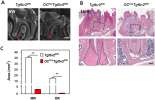
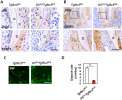
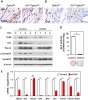
Choi, Ahn, Kim et al
Sci Rep (2016) 6, 26046 DOI: 10.1038/srep26046
Cited by 44
AI Summary: In this study, the full-length mouse Osx (Osterix) cDNA clone in the pCMV6 vector from OriGene Technologies was used to transduce OCCM-30 cells and investigate the role of Osx in cementoblast differentiation and cementum formation.
Snippet: Transfection and retroviral transduction. The full length open reading frame of mouse Osx (Accession No. NM_130458), cloned into the pCMV6 vector, was purchased from OriGene Technologies. A GFP construct was also transfected as a control. ... Cite SaveSaving
Showing 1-1 of 1 papers.
Powered by BizGenius
*Delivery time may vary from web posted schedule. Occasional delays may occur due to unforeseen
complexities in the preparation of your product. International customers may expect an additional 1-2 weeks
in shipping.
Related Products
- Price:
- Actual Price:
Welcome to OriGene AI!
I'm your AI-powered guide to everything OriGene.
Ask me anything:
- Product specs
- Ordering help
- Technical questions
- How to find exactly what your experiment needs
Prefer a live agent? Connect with us by clicking the green chat icon, as seen in the image below or email our team at custsupport@origene.com.
