
Prkaa1 Mouse shRNA Plasmid (Locus ID 105787)
SKU
TR505729
Prkaa1 - Mouse, 4 unique 29mer shRNA constructs in retroviral untagged vector, 5µg of each construct provided

$883.00
In Stock*
Specifications
| Product Data | |
| Locus ID | 105787 |
|---|---|
| Synonyms | AI194361; AI450832; AL024255; AMPKalpha1; C130083N04Rik |
| Vector | pRS |
| E. coli Selection | Ampicillin |
| Mammalian Cell Selection | Puromycin |
| Format | Retroviral plasmids |
| Components | Prkaa1 - Mouse, 4 unique 29mer shRNA constructs in retroviral untagged vector(Gene ID = 105787). 5µg purified plasmid DNA per construct29-mer scrambled shRNA cassette in pRS Vector, TR30012, included for free. |
| RefSeq | BC086695, NM_001013367, NM_001013367.1, NM_001013367.2, NM_001013367.3, NM_001355640 |
| UniProt ID | Q5EG47 |
| Summary | Catalytic subunit of AMP-activated protein kinase (AMPK), an energy sensor protein kinase that plays a key role in regulating cellular energy metabolism. In response to reduction of intracellular ATP levels, AMPK activates energy-producing pathways and inhibits energy-consuming processes: inhibits protein, carbohydrate and lipid biosynthesis, as well as cell growth and proliferation. AMPK acts via direct phosphorylation of metabolic enzymes, and by longer-term effects via phosphorylation of transcription regulators. Also acts as a regulator of cellular polarity by remodeling the actin cytoskeleton; probably by indirectly activating myosin. Regulates lipid synthesis by phosphorylating and inactivating lipid metabolic enzymes such as ACACA, ACACB, GYS1, HMGCR and LIPE; regulates fatty acid and cholesterol synthesis by phosphorylating acetyl-CoA carboxylase (ACACA and ACACB) and hormone-sensitive lipase (LIPE) enzymes, respectively. Regulates insulin-signaling and glycolysis by phosphorylating IRS1, PFKFB2 and PFKFB3. AMPK stimulates glucose uptake in muscle by increasing the translocation of the glucose transporter SLC2A4/GLUT4 to the plasma membrane, possibly by mediating phosphorylation of TBC1D4/AS160. Regulates transcription and chromatin structure by phosphorylating transcription regulators involved in energy metabolism such as CRTC2/TORC2, FOXO3, histone H2B, HDAC5, MEF2C, MLXIPL/ChREBP, EP300, HNF4A, p53/TP53, SREBF1, SREBF2 and PPARGC1A. Acts as a key regulator of glucose homeostasis in liver by phosphorylating CRTC2/TORC2, leading to CRTC2/TORC2 sequestration in the cytoplasm. In response to stress, phosphorylates 'Ser-36' of histone H2B (H2BS36ph), leading to promote transcription. Acts as a key regulator of cell growth and proliferation by phosphorylating TSC2, RPTOR and ATG1/ULK1: in response to nutrient limitation, negatively regulates the mTORC1 complex by phosphorylating RPTOR component of the mTORC1 complex and by phosphorylating and activating TSC2. In response to nutrient limitation, promotes autophagy by phosphorylating and activating ATG1/ULK1. In that process also activates WDR45. In response to nutrient limitation, phosphorylates transcription factor FOXO3 promoting FOXO3 mitochondrial import (PubMed:23283301). AMPK also acts as a regulator of circadian rhythm by mediating phosphorylation of CRY1, leading to destabilize it. May regulate the Wnt signaling pathway by phosphorylating CTNNB1, leading to stabilize it. Also has tau-protein kinase activity: in response to amyloid beta A4 protein (APP) exposure, activated by CAMKK2, leading to phosphorylation of MAPT/TAU; however the relevance of such data remains unclear in vivo. Also phosphorylates CFTR, EEF2K, KLC1, NOS3 and SLC12A1.UniProtKB/Swiss-Prot Function |
| shRNA Design | These shRNA constructs were designed against multiple splice variants at this gene locus. To be certain that your variant of interest is targeted, please contact techsupport@origene.com. If you need a special design or shRNA sequence, please utilize our custom shRNA service. |
| Storage | Store at -20°C |
| Shipping | Ambient |
Reviews


Documents
Resources
Citations
Folate Metabolism Regulates Oligodendrocyte Survival and Differentiation by Modulating AMPKα Activity
Weng, Wang, Wang et al
Sci Rep (2017) 7 (1), 1705 DOI: 10.1038/s41598-017-01732-1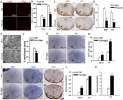
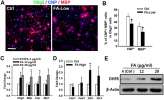
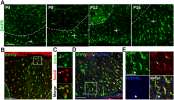
Weng, Wang, Wang et al
Sci Rep (2017) 7 (1), 1705 DOI: 10.1038/s41598-017-01732-1
AI Summary: OriGene's shRNA products were used in this study to knock down gene expression in cells, enabling the researchers to investigate how reduced DHFR or AMPKα levels affect oligodendrocyte survival and differentiation.
Snippet: 1% N2 and 1% horse serum. DHFR, AMPKα1 plasmids (addgene) and shRNA (Origene) were transfected into cells by Lipofectamine 2000 (Invitrogen) according to manufacturer's procedures. The target sequences of shRNA ... All 3 versions Cite SaveSaving
Showing 1-1 of 1 papers.
Powered by BizGenius
*Delivery time may vary from web posted schedule. Occasional delays may occur due to unforeseen
complexities in the preparation of your product. International customers may expect an additional 1-2 weeks
in shipping.
Related Products
- Price:
- Actual Price:
Welcome to OriGene AI!
I'm your AI-powered guide to everything OriGene.
Ask me anything:
- Product specs
- Ordering help
- Technical questions
- How to find exactly what your experiment needs
Prefer a live agent? Connect with us by clicking the green chat icon, as seen in the image below or email our team at custsupport@origene.com.
