
CTCF (NM_006565) Human Recombinant Protein
SKU
TP720882
Purified recombinant protein of Human CCCTC-binding factor (zinc finger protein) (CTCF), transcript variant 1

$340.00
7 Weeks*
Specifications
| Product Data | |
| Species | Human |
|---|---|
| Expression Host | E. coli |
| Expression cDNA Clone or AA Sequence | |
| Tag | Tag Free |
| Predicted MW | 16.9 kDa |
| Concentration | lot specific |
| Purity | >95% as determined by SDS-PAGE and Coomassie blue staining |
| Buffer | Lyophilized from a 0.2 um filtered solution of 20mM PB, 150mM NaCl, pH 7.4. |
| Bioactivity | EMSA reaction positive control (PMID: 29666371) |
| Endotoxin | Endotoxin level is < 0.1 ng/µg of protein (< 1 EU/µg) |
| Reconstitution Method | Always centrifuge tubes before opening. Do not mix by vortex or pipetting. Dissolve the lyophilized protein in ddH2O. It is not recommended to reconstitute a concentration less than 100 µg/ml. Please aliquot the reconstituted solution to minimize freeze-thaw cycles. |
| Storage | Lyophilized protein should be stored at < -20°C, though stable at room temperature for 3 weeks. Reconstituted protein solution can be stored at 4-7°C for 2-7 days. Aliquots of reconstituted samples are stable at < -20°C for 3 months. |
| Stability | Stable for at least 6 months from date of receipt under proper storage and handling conditions. |
| Shipping | Ambient |
| Reference Data | |
| RefSeq | NP_006556 |
| Locus ID | 10664 |
| UniProt ID | P49711 |
| Cytogenetics | 16q22.1 |
| RefSeq Size | 3946 |
| RefSeq ORF | 2181 |
| Synonyms | CFAP108; FAP108; MRD21 |
| Summary | This gene is a member of the BORIS + CTCF gene family and encodes a transcriptional regulator protein with 11 highly conserved zinc finger (ZF) domains. This nuclear protein is able to use different combinations of the ZF domains to bind different DNA target sequences and proteins. Depending upon the context of the site, the protein can bind a histone acetyltransferase (HAT)-containing complex and function as a transcriptional activator or bind a histone deacetylase (HDAC)-containing complex and function as a transcriptional repressor. If the protein is bound to a transcriptional insulator element, it can block communication between enhancers and upstream promoters, thereby regulating imprinted expression. Mutations in this gene have been associated with invasive breast cancers, prostate cancers, and Wilms' tumors. Alternatively spliced transcript variants encoding different isoforms have been found for this gene. provided by RefSeq, Jul 2010 |
| Protein Categories | Intracellular Proteins, Transciption Factors |
| Protein Families | Transcription Factors |
Reviews


Documents
| FAQs |
| SDS |
Resources
| Recombinant Protein Resources |
Citations
Integration of human adipocyte chromosomal interactions with adipose gene expression prioritizes obesity-related genes from GWAS
Pan, Garske, Alvarez et al
Nat Commun (2018) 9 (1), 1512 DOI: 10.1038/s41467-018-03554-9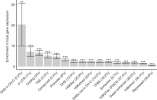
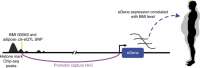
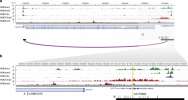
Pan, Garske, Alvarez et al
Nat Commun (2018) 9 (1), 1512 DOI: 10.1038/s41467-018-03554-9
AI Summary: Certainly! Please provide the summary or details of the paper so I can identify and summarize OriGene’s product contributions accordingly.
Showing 1-1 of 1 papers.
Powered by BizGenius
*Delivery time may vary from web posted schedule. Occasional delays may occur due to unforeseen
complexities in the preparation of your product. International customers may expect an additional 1-2 weeks
in shipping.
Related Products
- Price:
- Actual Price:
Welcome to OriGene AI!
I'm your AI-powered guide to everything OriGene.
Ask me anything:
- Product specs
- Ordering help
- Technical questions
- How to find exactly what your experiment needs
Prefer a live agent? Connect with us by clicking the green chat icon, as seen in the image below or email our team at custsupport@origene.com.
