
Interleukin-8 / IL8 (23-99) Human Protein

Specifications
| Product Data | |
| Species | Human |
|---|---|
| Expression Host | E. coli |
| Expression cDNA Clone or AA Sequence | |
| Predicted MW | 9 kDa (78aa) confirmed by MALDI-TOF |
| Concentration | 1mg/ml (determined by BCA assay) |
| Purity | > 95% by SDS-PAGE |
| Presentation State | Purified |
| Buffer | Liquid in. Phosphate-Buffered Saline (pH 7.4) |
| Endotoxin | < 1 EU per 1ug of protein (determined by LAL method) |
| Preparation | Liquid purified protein |
| Recommended Dilution | SDS-PAGE |
| Protein Description | Recombinant Human Interleukin-8 / IL-8, aa 23-99 was expressed in E.coli and purified by using conventional chromatography techniques. |
| Storage | Can be stored at +2°C to +8°C for 1 week. For long term storage, aliquot and store at -20°C to -80C. Avoid repeated freezing and thawing cycles. |
| Stability | Shelf life: one year from despatch. |
| Shipping | Blue Ice |
| Reference Data | |
| RefSeq | NP_000575.1 |
| Locus ID | 3576 |
| UniProt ID | P10145 |
| Cytogenetics | 4q13.3 |
| Synonyms | C-X-C motif chemokine ligand 8, Interleukin-8, IL-8, C-X-C motif chemokine 8, Emoctakin, Granulocyte chemotactic protein 1, GCP-1, Monocyte-derived neutrophil chemotactic factor, MDNCF, Monocyte-derived neutrophil-activating peptide, MONAP, Neutrophil-activating protein 1, NAP-1, Protein 3-10C, T-cell chemotactic factor, Lung giant cell carcinoma-derived chemotactic protein, Tumor necrosis factor-induced gene 1, Lymphocyte derived neutrophil activating peptide, Beta endothelial cell-derived neutrophil activating peptide, Alveolar macrophage chemotactic factor I, SCYB8, LUCT, LECT, TSG-1, AMCF-I, LYNAP, NAF, b-ENA |
| Summary | The protein encoded by this gene is a member of the CXC chemokine family and is a major mediator of the inflammatory response. The encoded protein is commonly referred to as interleukin-8 (IL-8). IL-8 is secreted by mononuclear macrophages, neutrophils, eosinophils, T lymphocytes, epithelial cells, and fibroblasts. It functions as a chemotactic factor by guiding the neutrophils to the site of infection. Bacterial and viral products rapidly induce IL-8 expression. IL-8 also participates with other cytokines in the proinflammatory signaling cascade and plays a role in systemic inflammatory response syndrome (SIRS). This gene is believed to play a role in the pathogenesis of the lower respiratory tract infection bronchiolitis, a common respiratory tract disease caused by the respiratory syncytial virus (RSV). The overproduction of this proinflammatory protein is thought to cause the lung inflammation associated with csytic fibrosis. This proinflammatory protein is also suspected of playing a role in coronary artery disease and endothelial dysfunction. This protein is also secreted by tumor cells and promotes tumor migration, invasion, angiogenesis and metastasis. This chemokine is also a potent angiogenic factor. The binding of IL-8 to one of its receptors (IL-8RB/CXCR2) increases the permeability of blood vessels and increasing levels of IL-8 are positively correlated with increased severity of multiple disease outcomes (eg, sepsis). This gene and other members of the CXC chemokine gene family form a gene cluster in a region of chromosome 4q. provided by RefSeq, May 2020 |
| Protein Categories | Chemokines, Cytokines, Growth Factors, Secreated Proteins |
| Protein Families | Druggable Genome, Secreted Protein, Transmembrane |
| Protein Pathways | Bladder cancer, Chemokine signaling pathway, Cytokine-cytokine receptor interaction, Epithelial cell signaling in Helicobacter pylori infection, NOD-like receptor signaling pathway, Pathways in cancer, RIG-I-like receptor signaling pathway, Toll-like receptor signaling pathway |
Reviews


Documents
| FAQs |
| SDS |
Resources
| Recombinant Protein Resources |
Citations
Upregulation of CBP by PLY can cause permeability of blood-brain barrier to increase meningitis
Chen, Li, Wang et al
J. Biochem. Mol. Toxicol. (2019)
Chen, Li, Wang et al
J. Biochem. Mol. Toxicol. (2019)
AI Summary: OriGene's qPCR Primer Pairs for CBP, p300, and IL-10 were used in this study to measure gene expression changes that helped elucidate how pneumolysin (PLY) increases blood-brain barrier permeability in pneumococcal meningitis.
Snippet: expression. The primers of IL‐6, IL‐8, and GAPDH were previously described and the primers of CBP, p300 as well as IL‐10 were from the available qPCR Primer Pairs of OriGene Technologies (Rockville, MD) (Table 1).8. Table
Serine hydroxymethyl transferase 1 stimulates pro-oncogenic cytokine expression through sialic acid to promote ovarian cancer tumor growth and progression
Gupta, Yang, Dogra et al
Oncogene (2017)
Gupta, Yang, Dogra et al
Oncogene (2017)
AI Summary: OriGene products contributed to this paper by providing the SHMT1, IL-6, and IL-8 cDNAs, which were used for gene overexpression studies to investigate their roles in ovarian cancer growth and progression.
Snippet: All the cell lines were mycoplasma free and were authenticated by STR profiling. SHMT1, IL-6 and IL-8 cDNAs were purchased from Origene (Rockville, MD, USA). Lentiviral shRNA plasmids were obtained from Open Biosystems. ... All 3 versions Cite SaveSaving
Oxidative stress augments toll-like receptor 8 mediated neutrophilic responses in healthy subjects
Yanagisawa, Koarai, Sugiura et al
Respir Res (2009) 10 (1), 50 DOI: 10.1186/1465-9921-10-50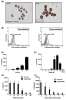
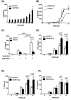
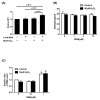
Yanagisawa, Koarai, Sugiura et al
Respir Res (2009) 10 (1), 50 DOI: 10.1186/1465-9921-10-50
Cited by 42
AI Summary: In this study, OriGene's TLR8 (Cat# RC221123) and TLR7 (Cat# RC210774) expression plasmids were used to examine the effects of oxidative stress on TLR8-mediated neutrophilic responses, helping to elucidate the role of these receptors in inflammation under oxidative conditions.
Tristetraprolin regulates IL-8 mRNA stability in cystic fibrosis lung epithelial cells
Balakathiresan, Bhattacharyya, Gutti et al
Am J Physiol Lung Cell Mol Physiol (2009) 296 (6), L1012-8 DOI: 10.1152/ajplung.90601.2008


Balakathiresan, Bhattacharyya, Gutti et al
Am J Physiol Lung Cell Mol Physiol (2009) 296 (6), L1012-8 DOI: 10.1152/ajplung.90601.2008
Cited by 49
AI Summary: OriGene products, specifically the human TTP expression plasmid (RC200307) and TTP-specific shRNA (TF312617), were used in this study to modulate TTP levels in cystic fibrosis lung epithelial cells and investigate their effects on IL-8 mRNA stability.
Showing 1-4 of 4 papers.
Powered by BizGenius
*Delivery time may vary from web posted schedule. Occasional delays may occur due to unforeseen
complexities in the preparation of your product. International customers may expect an additional 1-2 weeks
in shipping.
Related Products
- Price:
- Actual Price:
Welcome to OriGene AI!
I'm your AI-powered guide to everything OriGene.
Ask me anything:
- Product specs
- Ordering help
- Technical questions
- How to find exactly what your experiment needs
Prefer a live agent? Connect with us by clicking the green chat icon, as seen in the image below or email our team at custsupport@origene.com.
