
Alpha-Synuclein / SNCA (1-140) Human Protein

Specifications
| Product Data | |
| Species | Human |
|---|---|
| Expression Host | E. coli |
| Expression cDNA Clone or AA Sequence | |
| Predicted MW | 14.4 kDa (140aa) confirmed by MALDI-TOF (Molecular weight on SDS-PAGE will appear higher) |
| Concentration | 1mg/ml (determined by BCA assay) |
| Purity | > 95% by SDS-PAGE |
| Presentation State | Purified |
| Buffer | Liquid in. 20mM Tris-HCl buffer (pH 7.5) containing 0.1 M NaCl, 1mM MgCl2 |
| Endotoxin | < 1 EU per 1ug of protein (determined by LAL method) |
| Preparation | Liquid purified protein |
| Recommended Dilution | SDS-PAGE |
| Protein Description | Purified human recombinant alpha-Synuclein (amino acids 1-140). |
| Note | Real molecular weight on SDS-PAGE will be shift up (see picture below). |
| Storage | Can be stored at +2°C to +8°C for 1 week. For long term storage, aliquot and store at -20°C to -80C. Avoid repeated freezing and thawing cycles. |
| Stability | Shelf life: one year from despatch. |
| Shipping | Blue Ice |
| Reference Data | |
| RefSeq | NP_000336.1 |
| Locus ID | 6622 |
| UniProt ID | P37840 |
| Cytogenetics | 4q22.1 |
| Synonyms | SNCA, NACP, PARK1, PARK4, PD1, α-synuclein Non-A beta component of AD amyloid, Non-A4 component of amyloid precursor, Parkinson disease 4, autosomal dominant Lewy body |
| Summary | Alpha-synuclein is a member of the synuclein family, which also includes beta- and gamma-synuclein. Synucleins are abundantly expressed in the brain and alpha- and beta-synuclein inhibit phospholipase D2 selectively. SNCA may serve to integrate presynaptic signaling and membrane trafficking. Defects in SNCA have been implicated in the pathogenesis of Parkinson disease. SNCA peptides are a major component of amyloid plaques in the brains of patients with Alzheimer's disease. Alternatively spliced transcripts encoding different isoforms have been identified for this gene. provided by RefSeq, Feb 2016 |
| Protein Categories | Growth Factors, Intracellular Proteins, Nervous system: Neurodegenerative diseases |
| Protein Families | Druggable Genome |
| Protein Pathways | Alzheimer's disease, Parkinson's disease |
Reviews


Documents
| FAQs |
| SDS |
Resources
| Recombinant Protein Resources |
Citations
Disease Progression-Dependent Expression of CD200R1 and CX3CR1 in Mouse Models of Parkinson's Disease
Wang, Liu, Yan et al
Aging Dis (2020) 11 (2), 254-268 DOI: 10.14336/AD.2019.0615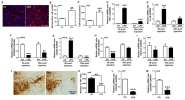
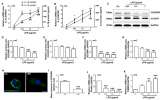
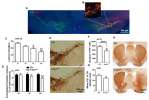
Wang, Liu, Yan et al
Aging Dis (2020) 11 (2), 254-268 DOI: 10.14336/AD.2019.0615
AI Summary: In this study, OriGene products—specifically the CD200R1 antibody (Cat# TA326467) and CX3CR1 antibody (Cat# TA322465)—were used to detect and quantify the expression of CD200R1 and CX3CR1 proteins, enabling the researchers to assess how these immune checkpoints change during Parkinson’s disease progression in mouse models.
A stress-enhanced model for discovery of disease-modifying gene: Ece1-suppresses the toxicity of α-synuclein A30P
Chen, Tully
Neurobiol. Dis. (2018) 114, 153-163 DOI: 10.1016/j.nbd.2018.03.003
Chen, Tully
Neurobiol. Dis. (2018) 114, 153-163 DOI: 10.1016/j.nbd.2018.03.003
AI Summary: OriGene's human NACP140 cDNA (NM_000345.2) was used as the template to generate the A30P mutant α-synuclein construct for functional studies in this paper.
Snippet: Nuclear-localizing sequence (NLS) on RFP was generated by direct synthesis. A30P was created by creating a point mutation at the DNA codon of the 30th alanine, (G → C)CA, using human NACP140 (NM_000345.2;OriGene, MD, USA)
Showing 1-2 of 2 papers.
Powered by BizGenius
*Delivery time may vary from web posted schedule. Occasional delays may occur due to unforeseen
complexities in the preparation of your product. International customers may expect an additional 1-2 weeks
in shipping.
Related Products
- Price:
- Actual Price:
Welcome to OriGene AI!
I'm your AI-powered guide to everything OriGene.
Ask me anything:
- Product specs
- Ordering help
- Technical questions
- How to find exactly what your experiment needs
Prefer a live agent? Connect with us by clicking the green chat icon, as seen in the image below or email our team at custsupport@origene.com.
