
Tumor necrosis factor (TNF-alpha) Canine Protein

$1,365.00
5 Days*
Specifications
| Product Data | |
| Species | Canine |
|---|---|
| Expression Host | Pichia pastoris |
| Predicted MW | 17.3 kDa |
| Purity | >95% pure by SDS PAGE analysis |
| Presentation State | Purified |
| Buffer | Presentation State: Purified State: Lyophilized purified protein Buffer System: PBS. Further dilutions should be made in a buffer containing carrier protein. Preservative: None Stabilizer: None |
| Bioactivity | Biological: Has an ED50 of 10pg/ml, determined by measuring the cytolytic effect of recombinant canine TNF alpha on murine WEHI-13VAR-164 cells in the presence of Actinomycin D. |
| Endotoxin | < 1.1EU/µg |
| Reconstitution Method | Restore with 0.5 ml distilled water. Care should be taken during reconstitution as the protein may appear as a film at the bottom of the vial. We recommend that the vial is gently mixed after reconstitution. |
| Preparation | Lyophilized purified protein |
| Recommended Dilution | Functional Assays. |
| Protein Description | Recombinant Canine TNF alpha protein expressed in Pichia pastoris. |
| Storage | Store lyophilized at 2-8°C for 6 months or at -20°C long term. After reconstitution store the antibody undiluted at 2-8°C for one month or (in aliquots) at -20°C long term. Avoid repeated freezing and thawing. |
| Stability | Shelf life: one year from despatch. |
| Shipping | Ambient |
| Reference Data | |
| RefSeq | NP_001003244 |
| Locus ID | 403922 |
| Synonyms | TNF, TNF-a, TNFA, TNFSF2, Cachectin |
| Summary | tumor necrosis factor |
| Protein Families | Functional Assays. |
Reviews


Documents
| FAQs |
| SDS |
Resources
| Recombinant Protein Resources |
Citations
Engineered macrophage membrane-enveloped nanomedicine for ameliorating myocardial infarction in a mouse model
Xue, Zeng, Cheng et al
Bioeng Transl Med (2021) 6 (2), e10197 DOI: 10.1002/btm2.10197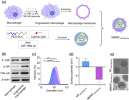
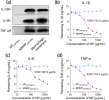
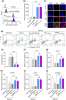
Xue, Zeng, Cheng et al
Bioeng Transl Med (2021) 6 (2), e10197 DOI: 10.1002/btm2.10197
Cited by 46
AI Summary: In this study, OriGene’s mouse TNF-α ELISA kit (Cat# EK0527) and mouse IL-1β ELISA kit (Cat# EK0393) were used to quantify inflammatory cytokine levels, helping to assess the anti-inflammatory effects of the engineered macrophage membrane-enveloped nanoparticles in a mouse model of myocardial infarction.
Leishmania-Specific Promiscuous Membrane Protein Tubulin Folding Cofactor D Divulges Th1/Th2 Polarization in the Host via ERK-1/2 and p38 MAPK Signaling Cascade
Jamal, Singh, Hansa et al
Front Immunol (2020) 11, 817 DOI: 10.3389/fimmu.2020.00817


Jamal, Singh, Hansa et al
Front Immunol (2020) 11, 817 DOI: 10.3389/fimmu.2020.00817
Cited by 3
AI Summary: OriGene contributed to this study by providing the primer sequences for TNF-α cytokine, which were used to assess immune responses in the experimental analysis.
Snippet: For this, forward and reverse primers for IFN-γ, IL-12, and IL-10 were designed following the sequence mentioned in Table 1. Likewise, the primer sequence for the TNF-α cytokines was taken from the OriGene website (Rockville, MD, USA)
Effect of tumor necrosis factor-α on the expression of the ammonia transporter Rhcg in the brain in mice with acute liver failure
Wang, Lu, Lu et al
J Neuroinflammation (2018) 15 (1), 234 DOI: 10.1186/s12974-018-1264-8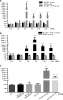
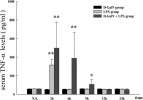
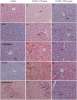
Wang, Lu, Lu et al
J Neuroinflammation (2018) 15 (1), 234 DOI: 10.1186/s12974-018-1264-8
AI Summary: In this study, OriGene's recombinant TNF-α protein was used to induce acute liver failure in mice, enabling the researchers to investigate the impact of TNF-α on Rhcg expression and ammonia transport in the brain.
Snippet: weight;Sigma) to induce ALF. A second ALF-induction group received intraperitoneal injections of D-GalN at 600 mg/kg body weight and TNF-α (10 μg/kg body weight, Origene, Rockville, MD, USA). Five control groups were Cached;
Modified PAMAM vehicles for effective TRAIL gene delivery to colon adenocarcinoma: in vitro and in vivo evaluation
Pishavar, Attaranzadeh, Alibolandi et al
Artif Cells Nanomed Biotechnol (2018)
Pishavar, Attaranzadeh, Alibolandi et al
Artif Cells Nanomed Biotechnol (2018)
AI Summary: OriGene contributed to this study by providing the GFP plasmid and TRAIL plasmid, which were used to evaluate the gene delivery efficiency of the modified PAMAM dendrimer vehicles in colon cancer cells both in vitro and in vivo.
Snippet: Plasmid green fluorescent protein (GFP) and tumor necrosis factor-α-related apoptosis-inducing ligand (TRAIL) plasmid was purchased from OriGene (Maryland, USA). Synthesis and characterization of alkylcarboxylate-grafted PAMAMs
Thymosin α1 treatment reduces hepatic inflammation and inhibits hepatocyte apoptosis in rats with acute liver failure
Yang, Chen, Zhang et al
Exp Ther Med (2018) 15 (4), 3231-3238 DOI: 10.3892/etm.2018.5843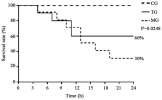
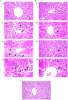
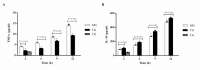
Yang, Chen, Zhang et al
Exp Ther Med (2018) 15 (4), 3231-3238 DOI: 10.3892/etm.2018.5843
Cited by 26
AI Summary: OriGene products, specifically the anti-Bax antibody (cat. no. TA3215) and anti-Bcl-2 antibody (cat. no. TA802319), were used in this study to detect the expression of apoptosis-related proteins Bax and Bcl-2 in rat liver tissue via western blot analysis, helping to elucidate the molecular mechanisms by which thymosin α1 reduces hepatic inflammation and inhibits hepatocyte apoptosis in acute liver...
Lenalidomide increases human dendritic cell maturation in multiple myeloma patients targeting monocyte differentiation and modulating mesenchymal stromal cell inhibitory properties
Costa, Vescovini, Bolzoni et al
Oncotarget (2017) 8 (32), 53053-53067 DOI: 10.18632/oncotarget.18085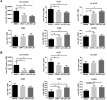
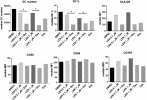
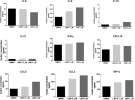
Costa, Vescovini, Bolzoni et al
Oncotarget (2017) 8 (32), 53053-53067 DOI: 10.18632/oncotarget.18085
Snippet: TNF-α at 10 ng/ml (OriGene;Rockville, MD) was added to the culture medium for the last 24 h, in order to induce DC terminal maturation
Showing 1-6 of 11 papers.
Powered by BizGenius
*Delivery time may vary from web posted schedule. Occasional delays may occur due to unforeseen
complexities in the preparation of your product. International customers may expect an additional 1-2 weeks
in shipping.
Related Products
- Price:
- Actual Price:
Welcome to OriGene AI!
I'm your AI-powered guide to everything OriGene.
Ask me anything:
- Product specs
- Ordering help
- Technical questions
- How to find exactly what your experiment needs
Prefer a live agent? Connect with us by clicking the green chat icon, as seen in the image below or email our team at custsupport@origene.com.
