
CD105 / Endoglin Mouse Protein

Specifications
| Product Data | |
| Species | Mouse |
|---|---|
| Expression Host | Insect |
| Expression cDNA Clone or AA Sequence | |
| Predicted MW | 70-75 kDa |
| Purity | >90% by SDS-PAGE and visualized by Silver stain |
| Presentation State | Purified |
| Buffer | Presentation State: Purified State: Lyophilized protein Buffer System: PBS Stabilizer: None |
| Endotoxin | < 0.1 ng per µg of sCD105. |
| Reconstitution Method | The lyophilized sCD105 is soluble in water and most aqueous buffers. Restore in PBS or medium to a concentration not lower than 50 μg/ml. |
| Preparation | Lyophilized protein |
| Protein Description | Recombinant Mouse Soluble CD105/Endoglin. |
| Storage | Store lyophilized at 2-8°C for 6 months or at -20°C long term. After reconstitution store the antibody undiluted at 2-8°C for one month or (in aliquots) at -20°C long term. Avoid repeated freezing and thawing. |
| Stability | Shelf life: one year from despatch. |
| Shipping | Ambient |
| Reference Data | |
| RefSeq | NP_001139820 |
| Locus ID | 13805 |
| UniProt ID | Q3UAM9 |
| Cytogenetics | 2 22.09 cM |
| Synonyms | ENG, END, HHT1, ORW, ORW1 |
| Summary | Vascular endothelium glycoprotein that plays an important role in the regulation of angiogenesis (PubMed:10625534). Required for normal structure and integrity of adult vasculature (By similarity). Regulates the migration of vascular endothelial cells (PubMed:17540773). Required for normal extraembryonic angiogenesis and for embryonic heart development (PubMed:10625534). May regulate endothelial cell shape changes in response to blood flow, which drive vascular remodeling and establishment of normal vascular morphology during angiogenesis (PubMed:28530658). May play a role in the binding of endothelial cells to integrins. Acts as TGF-beta coreceptor and is involved in the TGF-beta/BMP signaling cascade that ultimately leads to the activation of SMAD transcription factors (PubMed:23300529). Required for GDF2/BMP9 signaling through SMAD1 in endothelial cells and modulates TGFB1 signaling through SMAD3 (By similarity).UniProtKB/Swiss-Prot Function |
Reviews


Documents
| FAQs |
| SDS |
Resources
| Recombinant Protein Resources |
Citations
Carboxyl Esterase-TRAIL Expressing Human Adipose Stem Cells Inhibit Tumor Growth in Castration-Resistant Prostate Cancer-Bearing Mice with Less Toxicity
Kim, Oh, Yun et al
Technol Cancer Res Treat (2022) 21, 15330338221093146 DOI: 10.1177/15330338221093146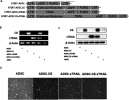
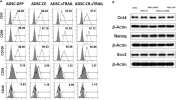
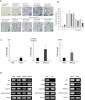
Kim, Oh, Yun et al
Technol Cancer Res Treat (2022) 21, 15330338221093146 DOI: 10.1177/15330338221093146
Cited by 5
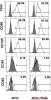
AI Summary: OriGene products, specifically anti-CD29, anti-CD90, and anti-CD105 antibodies, were used for flow cytometry analysis to characterize the stem cell surface markers of human adipose-derived stem cells in this study.
Snippet: SC Express software (De Novo Software, Los Angeles, CA, USA). We subjected hTERT-ADSC, hTERT-ADSC.CE, hTERT-ADSC.sTRAIL, and hTERT-ADSC.sTRAIL cells to flow cytometry analysis using anti- CD29 (1:50, Origene Technologies, Rockville, MD, USA), CD 34 (1:50, Invitrogen, Carlsbad, CA, USA), CD 45 (1:50, LDBio, Seattle, WA, USA), CD 90 (1:50, Origene Technologies), and CD 105 (1:50, Origene Technologie...
Enhanced inhibition of tumor growth using TRAIL-overexpressing adipose-derived stem cells in combination with the chemotherapeutic agent CPT-11 in castration-resistant prostate cancer
Kim, Oh, Han et al
Prostate Int (2021) 9 (1), 31-41 DOI: 10.1016/j.prnil.2020.07.002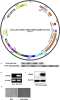
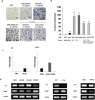
Kim, Oh, Han et al
Prostate Int (2021) 9 (1), 31-41 DOI: 10.1016/j.prnil.2020.07.002
Cited by 15
AI Summary: OriGene products contributed to this study by providing the human sTRAIL gene (Cat# SC1236) and the anti-TRAIL antibody (Cat# TA307106), which were used for generating and confirming TRAIL-overexpressing adipose-derived stem cells and for detecting TRAIL expression in tumor tissues, respectively.
Evidence that TNF-β suppresses osteoblast differentiation of mesenchymal stem cells and resveratrol reverses it through modulation of NF-κB, Sirt1 and Runx2
Constanze, Popper, Aggarwal et al
Cell Tissue Res (2020) 381 (1), 83-98 DOI: 10.1007/s00441-020-03188-8
Constanze, Popper, Aggarwal et al
Cell Tissue Res (2020) 381 (1), 83-98 DOI: 10.1007/s00441-020-03188-8
Cited by 57
AI Summary: In this study, OriGene's Sirt1 antisense oligonucleotides (ASO) were used to specifically inhibit Sirt1 expression in mesenchymal stem cells, helping to demonstrate the role of Sirt1 in TNF-β-mediated suppression and resveratrol-mediated restoration of osteoblast differentiation.
Differentiation of equine induced pluripotent stem cells into mesenchymal lineage for therapeutic use
Chung, Park, Son et al
Cell Cycle (2019)
Chung, Park, Son et al
Cell Cycle (2019)
AI Summary: OriGene contributed to this study by providing the CD44 primary antibody, which was used to confirm the expression of mesenchymal stem cell surface markers during the differentiation of equine induced pluripotent stem cells into mesenchymal lineages.
Snippet: The next day, after washing, cells were incubated with HRP-conjugated secondary antibodies for 1 h before detection. The primary antibodies used were CD44 (OriGene, USA), CD29 (R&D Systems, USA), Sox2 (Santa Cruz, USA), SSEA-1, RUNX2 (Santa Cruz, USA), aggrecan (Invitrogen, USA),
Extracellular matrix of adipogenically differentiated mesenchymal stem cells reveals a network of collagen filaments, mostly interwoven by hexagonal structural units
Ullah, Sittinger, Ringe
Matrix Biol (2013) 32 (7-8), 452-65 DOI: 10.1016/j.matbio.2013.07.001
Ullah, Sittinger, Ringe
Matrix Biol (2013) 32 (7-8), 452-65 DOI: 10.1016/j.matbio.2013.07.001
Cited by 38
AI Summary: In this paper, OriGene products—including the PPARG (Cat# NM_015869) and FABP4 (Cat# NM_001442) qPCR primers—were used to verify adipogenic differentiation of mesenchymal stem cells by measuring the expression of key adipogenic marker genes.
Migration potential and gene expression profile of human mesenchymal stem cells induced by CCL25
Binger, Stich, Andreas et al
Exp Cell Res (2009) 315 (8), 1468-79 DOI: 10.1016/j.yexcr.2008.12.022
Binger, Stich, Andreas et al
Exp Cell Res (2009) 315 (8), 1468-79 DOI: 10.1016/j.yexcr.2008.12.022
Cited by 56
AI Summary: In this study, OriGene products—including the CXCL8 (IL8) ELISA kit and CXCL1 (GROα) ELISA kit—were used to quantify chemokine secretion, thereby validating gene expression findings related to the migratory response of human mesenchymal stem cells to CCL25 stimulation.
Showing 1-6 of 6 papers.
Powered by BizGenius
*Delivery time may vary from web posted schedule. Occasional delays may occur due to unforeseen
complexities in the preparation of your product. International customers may expect an additional 1-2 weeks
in shipping.
Related Products
- Price:
- Actual Price:
Welcome to OriGene AI!
I'm your AI-powered guide to everything OriGene.
Ask me anything:
- Product specs
- Ordering help
- Technical questions
- How to find exactly what your experiment needs
Prefer a live agent? Connect with us by clicking the green chat icon, as seen in the image below or email our team at custsupport@origene.com.
