
FGF basic / FGF2 Human Protein

Specifications
| Product Data | |
| Species | Human |
|---|---|
| Expression Host | E. coli |
| Expression cDNA Clone or AA Sequence | |
| Predicted MW | 16.5 kDa |
| Purity | >98% by SDS-PAGE and visualised by silver stain |
| Presentation State | Purified |
| Buffer | Presentation State: Purified State: Lyophilized purified protein Buffer System: PBS Stabilizer: None |
| Bioactivity | Biological: The ED50 for stimulation of cell proliferation in Human umbilical vein endothelial cells by Human FGF-2 (basic) has been determined to be in the range of 0.1-2 ng/ml. |
| Endotoxin | < 0.1 ng per µg of FGF-basic |
| Reconstitution Method | Restore in water containing at least 0.1% Human or Bovine Serum Albumin to a concentration not lower than 50 μg/ml. |
| Preparation | Lyophilized purified protein |
| Protein Description | Recombinant Human Fibroblast Growth Factor-2 (basic). Result by N-terminal sequencing: AGSITTL |
| Storage | Store lyophilized at 2-8°C for 6 months or at -20°C long term. After reconstitution store the antibody undiluted at 2-8°C for one month or (in aliquots) at -20°C long term. Avoid repeated freezing and thawing. |
| Stability | Shelf life: one year from despatch. |
| Shipping | Ambient |
| Reference Data | |
| RefSeq | NP_001997 |
| Locus ID | 2247 |
| UniProt ID | P09038 |
| Cytogenetics | 4q28.1 |
| Synonyms | FGFB, Heparin-binding growth factor 2, Fibroblast growth factor 2 (basic), BFGF, HBGF-2, HBGF2 |
| Summary | The protein encoded by this gene is a member of the fibroblast growth factor (FGF) family. FGF family members bind heparin and possess broad mitogenic and angiogenic activities. This protein has been implicated in diverse biological processes, such as limb and nervous system development, wound healing, and tumor growth. The mRNA for this gene contains multiple polyadenylation sites, and is alternatively translated from non-AUG (CUG) and AUG initiation codons, resulting in five different isoforms with distinct properties. The CUG-initiated isoforms are localized in the nucleus and are responsible for the intracrine effect, whereas, the AUG-initiated form is mostly cytosolic and is responsible for the paracrine and autocrine effects of this FGF. provided by RefSeq, Jul 2008 |
| Protein Categories | Chemokines, Cytokines, Growth Factors, Intracellular Proteins, Secreated Proteins |
| Protein Families | Druggable Genome, Secreted Protein |
| Protein Pathways | MAPK signaling pathway, Melanoma, Pathways in cancer, Regulation of actin cytoskeleton |
Reviews


Documents
| FAQs |
| SDS |
Resources
| Recombinant Protein Resources |
Citations
Interaction of Nerve Growth Factor β with Adiponectin and SPARC Oppositely Modulates its Biological Activity
Okura, Imao, Murashima et al
Int J Mol Sci (2019) 20 (7) DOI: 10.3390/ijms20071541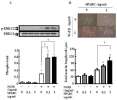
Okura, Imao, Murashima et al
Int J Mol Sci (2019) 20 (7) DOI: 10.3390/ijms20071541
AI Summary: In this study, OriGene products—specifically the siRNAs targeting adiponectin receptors (AdipoR1 siRNA and AdipoR2 siRNA)—were used to silence adiponectin receptor expression in PC12 cells, enabling the authors to investigate the role of adiponectin-NGFβ interactions in modulating neurite outgrowth.
Snippet: Israel). Recombinant human basic FGF was purchased from Acris Antibodies GmbH (Hiddenhausen, Germany), while recombinant human VEGF-165 was purchased from Becton Dickison (Bedford, MA, USA). Recombinant
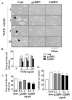
FGF2 gene activated matrices promote proliferation of bone marrow stromal cells
D'Mello, Elangovan, Salem
Arch Oral Biol (2015) 60 (12), 1742-9 DOI: 10.1016/j.archoralbio.2015.09.005

D'Mello, Elangovan, Salem
Arch Oral Biol (2015) 60 (12), 1742-9 DOI: 10.1016/j.archoralbio.2015.09.005
Cited by 22
AI Summary: OriGene’s human FGF2 plasmid (Cat# RC211125) was used in this study as the source of FGF2-encoding DNA for transfection, enabling the evaluation of gene-activated matrices in promoting bone marrow stromal cell proliferation.
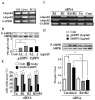
Using magnetic nanoparticles for gene transfer to neural stem cells: stem cell propagation method influences outcomes
Pickard, Adams, Barraud et al
J Funct Biomater (2015) 6 (2), 259-76 DOI: 10.3390/jfb6020259
Pickard, Adams, Barraud et al
J Funct Biomater (2015) 6 (2), 259-76 DOI: 10.3390/jfb6020259
Cited by 23
AI Summary: In this study, OriGene products—including the human FGF2-turboGFP plasmid, the control plasmid pCMV6-AN-GFP, and the anti-FGF2 antibody (clone 3D9)—were used to enable and verify gene transfer and expression in neural stem cells during the evaluation of magnetic nanoparticle-mediated transfection methods.
Showing 1-3 of 3 papers.
Powered by BizGenius
*Delivery time may vary from web posted schedule. Occasional delays may occur due to unforeseen
complexities in the preparation of your product. International customers may expect an additional 1-2 weeks
in shipping.
Related Products
- Price:
- Actual Price:
Welcome to OriGene AI!
I'm your AI-powered guide to everything OriGene.
Ask me anything:
- Product specs
- Ordering help
- Technical questions
- How to find exactly what your experiment needs
Prefer a live agent? Connect with us by clicking the green chat icon, as seen in the image below or email our team at custsupport@origene.com.
