
RSPO1 Human Protein

Specifications
| Product Data | |
| Species | Human |
|---|---|
| Expression Host | CHO |
| Expression cDNA Clone or AA Sequence | |
| Predicted MW | 26.3 kDa |
| Purity | >95% by SDS-PAGE and HPLC |
| Presentation State | Purified |
| Buffer | Presentation State: Purified State: Lyophilized purified protein from 10 mM Sodium Phosphate, pH 7, 5 + 150 mM NaCl Stabilizer: None |
| Bioactivity | R-spondin-1 enhances BMP-2 mediated differentiation of MC3T3-E1 cells. The expected ED50 is 1.0-3.0 ug/ml. |
| Reconstitution Method | Restore in a Water to ac concentration of 0.1-1.0 mg/ml |
| Preparation | Lyophilized purified protein |
| Protein Description | Recombinant human R-Spondin-1 is a 26.7 kDa protein consisting of 243 amino acid residues. Due to glycosylation, R-Spondin-1 migrates at an apparent molecular weight of approximately 40.0 kDa by SDS PAGE analysis under reducing conditions. |
| Storage | Store lyophilized at 2-8°C for 6 months or at -20°C long term. After reconstitution store the antibody undiluted at 2-8°C for one month or (in aliquots) at -20°C long term. Avoid repeated freezing and thawing. |
| Stability | Shelf life: one year from despatch. |
| Shipping | Ambient |
| Reference Data | |
| RefSeq | NP_001033722 |
| Locus ID | 284654 |
| UniProt ID | Q2MKA7 |
| Cytogenetics | 1p34.3 |
| Synonyms | R-spondin-1 |
| Summary | This gene encodes a secreted activator protein with two cysteine-rich, furin-like domains and one thrombospondin type 1 domain. The encoded protein is a ligand for leucine-rich repeat-containing G-protein coupled receptors (LGR proteins) and positively regulates the Wnt signaling pathway. In mice, the protein induces the rapid onset of crypt cell proliferation and increases intestinal epithelial healing, providing a protective effect against chemotherapy-induced adverse effects. Alternative splicing results in multiple transcript variants. provided by RefSeq, Apr 2014 |
| Protein Categories | Intracellular Proteins, Secreated Proteins |
| Protein Families | Secreted Protein |
Reviews


Documents
| FAQs |
| SDS |
Resources
| Recombinant Protein Resources |
Citations
PDGFRα + pericryptal stromal cells are the critical source of Wnts and RSPO3 for murine intestinal stem cells in vivo
Greicius, Kabiri, Sigmundsson et al
PNAS (2018)
Greicius, Kabiri, Sigmundsson et al
PNAS (2018)
AI Summary: OriGene products, specifically the Myc-tagged RSPO1 (RC217921) and RSPO3 (RC205016) expression plasmids, were used in this study to investigate and compare the potency of RSPO proteins in stimulating Wnt/β-catenin signaling and organoid growth.
Snippet: plates. STF3A cells were transfected 24 h post plating with total 600 ng of the indicated expression plasmids [2–200 ng Myc-tagged RSPO1 or RSPO3 (catalog nos. RC217921 and RC205016, respectively;OriGene), 200 ng pCS-mCherry as reference, 200–398 ng pPGK as empty vector, in Lipofectamine 2000 (catalog no. 11668019;Life Technology)]. Cells were harvested 16 h post transfection in PBS with 0
N-Glycosylation of Human R-Spondin 1 Is Required for Efficient Secretion and Stability but Not for Its Heparin Binding Ability
Chang, Hsu, Weng et al
Int J Mol Sci (2016) 17 (6) DOI: 10.3390/ijms17060937
Chang, Hsu, Weng et al
Int J Mol Sci (2016) 17 (6) DOI: 10.3390/ijms17060937
Cited by 15
Protective role of R-spondin1, an intestinal stem cell growth factor, against radiation-induced gastrointestinal syndrome in mice
Bhanja, Saha, Kabarriti et al
PLoS One (2009) 4 (11), e8014 DOI: 10.1371/journal.pone.0008014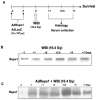
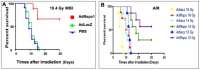
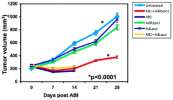
Bhanja, Saha, Kabarriti et al
PLoS One (2009) 4 (11), e8014 DOI: 10.1371/journal.pone.0008014
Cited by 127
AI Summary: In this study, OriGene products including anti-LGR5 antibody (TA322798) and anti-β-catenin antibody (TA301790) were used for immunohistochemical analysis to assess the effects of R-spondin1 on intestinal stem cell regeneration and Wnt/β-catenin pathway activation following radiation in mice.
Showing 1-3 of 3 papers.
Powered by BizGenius
*Delivery time may vary from web posted schedule. Occasional delays may occur due to unforeseen
complexities in the preparation of your product. International customers may expect an additional 1-2 weeks
in shipping.
Related Products
- Price:
- Actual Price:
Welcome to OriGene AI!
I'm your AI-powered guide to everything OriGene.
Ask me anything:
- Product specs
- Ordering help
- Technical questions
- How to find exactly what your experiment needs
Prefer a live agent? Connect with us by clicking the green chat icon, as seen in the image below or email our team at custsupport@origene.com.
