
GSTP1 / GST3 (1-210, His-Tag) Human Protein

$1,480.00
3 Weeks*
Specifications
| Product Data | |
| Species | Human |
|---|---|
| Expression Host | E. coli |
| Expression cDNA Clone or AA Sequence | |
| Tag | His-Tag |
| Predicted MW | 27.4 kDa (246aa) confirmed by MALDI-TOF |
| Concentration | 0.5mg/ml (determined by Bradford assay) |
| Purity | > 95% by SDS-PAGE |
| Presentation State | Purified |
| Buffer | Liquid in. 20mM Tris-HCl buffer (pH 7.0) containing 30% glycerol, 1mM EDTA, 0.1mM PMSF. |
| Bioactivity | Specific activity is > 80unit/mg, and is defined as the amount of enzyme that conjugate 1.0 umole of 1-chloro-2,4-dinitrobenzene (CDNB) with reduced glutathione per minute at pH 6.5 at 25C. |
| Endotoxin | < 1 EU per 1ug of protein (determined by LAL method) |
| Preparation | Liquid purified protein |
| Recommended Dilution | SDS-PAGE, Enzyme Activity |
| Protein Description | Recombinant GSTP1 protein, fused to His-tag, was expressed in E.coli and purified by using conventional chromatography techniques. |
| Storage | Can be stored at +2°C to +8°C for 1 week. For long term storage, aliquot and store at -20°C to -80C. Avoid repeated freezing and thawing cycles. |
| Stability | Shelf life: one year from despatch. |
| Shipping | Blue Ice |
| Reference Data | |
| RefSeq | NP_000843 |
| Locus ID | 2950 |
| UniProt ID | P09211 |
| Cytogenetics | 11q13.2 |
| Synonyms | SERPINF1, Serpin peptidase inhibitor clade F member 1, Proliferation inducing protein 35, Pigment epithelium-derived factor EPC 1, Pigment epithelium-derived factor, PIG35, PI, GSTP1, GST3, Glutathione S-Transferase Pi 1, Glutathione S-transferase P Fatty Acid Ethyl Ester Synthase III, Glutathione S-transferase P, Glutathione S Transferase Pi, FAEES3, EPC1, DFN7, APF0619 |
| Summary | Glutathione S-transferases (GSTs) are a family of enzymes that play an important role in detoxification by catalyzing the conjugation of many hydrophobic and electrophilic compounds with reduced glutathione. Based on their biochemical, immunologic, and structural properties, the soluble GSTs are categorized into 4 main classes: alpha, mu, pi, and theta. This GST family member is a polymorphic gene encoding active, functionally different GSTP1 variant proteins that are thought to function in xenobiotic metabolism and play a role in susceptibility to cancer, and other diseases. provided by RefSeq, Jul 2008 |
| Protein Categories | Intracellular Proteins |
| Protein Families | Druggable Genome |
| Protein Pathways | Drug metabolism - cytochrome P450, Glutathione metabolism, Metabolism of xenobiotics by cytochrome P450, Pathways in cancer, Prostate cancer |
Reviews


Documents
| FAQs |
| SDS |
Resources
| Recombinant Protein Resources |
Citations
Glutathione S-Transferase P1 Protects Against Amodiaquine Quinoneimines-Induced Cytotoxicity but Does Not Prevent Activation of Endoplasmic Reticulum Stress in HepG2 Cells
Zhang, den Braver-Sewradj, den Braver et al
Front Pharmacol (2018) 9, 388 DOI: 10.3389/fphar.2018.00388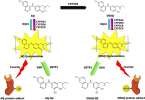
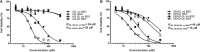
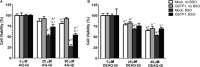
Zhang, den Braver-Sewradj, den Braver et al
Front Pharmacol (2018) 9, 388 DOI: 10.3389/fphar.2018.00388
AI Summary: OriGene’s hGSTP1 expression plasmid (SC119655) and empty pCMV6-XL5 vector were used to transiently transfect HepG2 cells, enabling the study of GSTP1’s protective effects against amodiaquine quinoneimine-induced cytotoxicity in this research.
Snippet: After plating on collagen-coated plates for 24 h, HepG2 cells were transiently transfected with 0.1 μg/1 × 104 cells hGSTP1 expression plasmid (SC119655, Origene, Rockville, MD, United States) or accompanying empty pCMV6-XL5 vector (pCMV6-XL5) using the GenJet In Vitro Transfection Reagent for HepG2 cells (SignaGen, Rockville, MD, United States) according to the manufacturer’s instructions. …
Human NAD(P)H:quinone Oxidoreductase 1 (NQO1)-Mediated Inactivation of Reactive Quinoneimine Metabolites of Diclofenac and Mefenamic Acid
Vredenburg, Elias, Venkataraman et al
Chem. Res. Toxicol. (2014)
Vredenburg, Elias, Venkataraman et al
Chem. Res. Toxicol. (2014)
Cited by 29
Showing 1-2 of 2 papers.
Powered by BizGenius
*Delivery time may vary from web posted schedule. Occasional delays may occur due to unforeseen
complexities in the preparation of your product. International customers may expect an additional 1-2 weeks
in shipping.
Related Products
- Price:
- Actual Price:
Welcome to OriGene AI!
I'm your AI-powered guide to everything OriGene.
Ask me anything:
- Product specs
- Ordering help
- Technical questions
- How to find exactly what your experiment needs
Prefer a live agent? Connect with us by clicking the green chat icon, as seen in the image below or email our team at custsupport@origene.com.
