
HSP90 Inhibitor Protein

Specifications
| Product Data | |
| Predicted MW | 558.7 |
|---|---|
| Purity | >98% pure (TLC: 5% Methanol/Methylene Chloride, Rf=0.26). |
| Presentation State | Purified |
| Buffer | Presentation State: Purified State: Purple solid |
| Reconstitution Method | Soluble in DMSO (>50 mg/ml) or Methanol (5 mg/ml). |
| Preparation | Purple solid |
| Protein Description | Red to dark red powder. CAS No: 75747-14-7 Formula: C31H43N3O8 |
| Storage | Upon receipt, store at -20°C. |
| Stability | Shelf life: one year from despatch. |
| Shipping | Blue Ice |
| Reference Data | |
| Synonyms | 17-AAG |
| Summary | Glendanamycin (GA), a benzoquinone ansamycin antibiotic, interferes with the action of Hsp90 leading to degradation of Hsp90 client proteins. GA itself however has undesirable properties such as poor aqueous solubility and liver toxicity; therefore, numerous analogs have been synthesized, such as 17-AAG(1). 17-AAG is an HSP-90 inhibitor that displays a 100-fold higher affinity for HSP-90 derived from tumor cells compared to HSP-90 from normal cells(2). 17- AAG inhibits Akt activation and expression in tumors and synergizes with a number of antitumor agents such as taxol(3), cisplatin(4) and UCN-01 (400 nM 17-AAG, U937 cells)(5). |
Reviews


Documents
| FAQs |
| SDS |
Resources
| Recombinant Protein Resources |
Citations
Tamoxifen therapy in a murine model of myotubular myopathy
Maani, Sabha, Rezai et al
Nat Commun (2018) 9 (1), 4849 DOI: 10.1038/s41467-018-07057-5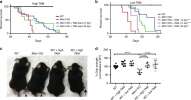
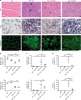
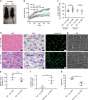
Maani, Sabha, Rezai et al
Nat Commun (2018) 9 (1), 4849 DOI: 10.1038/s41467-018-07057-5
AI Summary: OriGene's HSP90 antibody (Clone OTI4C10) was used in this study to assess protein expression levels, contributing to the analysis of molecular changes following tamoxifen treatment in the murine model of myotubular myopathy.
Snippet: 3-K, BD Biosciences), DNM2 (1:500 Clone 2862, Dr. Jocelyn Laporte, IGBMC France), DNM2 (1:1000 G-4, Santa Cruz), β-actin (1:5000, #4967 Cell Signaling;1:5000 Abcam ab8226) and HSP90 (Clone OTI4C10, Origene). After extensive washing in 1X TBST, membranes were incubated for 1 h with horseradish peroxidase-conjugated goat anti-rabbit or goat anti-mouse IgG secondary antibody (1:5000, BioRad) in 1;......
MicroRNA-644a promotes apoptosis of hepatocellular carcinoma cells by downregulating the expression of heat shock factor 1
Liang, Liao, Li et al
Cell Commun. Signal (2018) 16 (1), 30 DOI: 10.1186/s12964-018-0244-z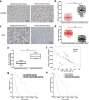
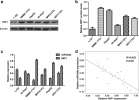
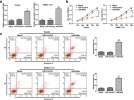
Liang, Liao, Li et al
Cell Commun. Signal (2018) 16 (1), 30 DOI: 10.1186/s12964-018-0244-z
AI Summary: OriGene products contributed to this study by providing antibodies against β-actin, HSP90, HSP60, SMAC, and Apaf-1, which were used for protein detection and analysis in the investigation of miR-644a's role in hepatocellular carcinoma cell apoptosis.
Snippet: against HSF1, caspase 3, caspase 9, BAD, Bcl-2, Bcl-xL, BIM and BID were purchased from Santa Cruz (Dallas, Texas, USA). Antibodies against β-actin, HSP90, HSP60, SMAC and Apaf-1 were purchased from Origene (Rockville, MD, USA). Quantitative reverse transcription polymerase chain reaction (qRT-PCR) Total RNA was extracted from HCC cells and tissues with TRIzol (Thermofisher Inc., Grand Island, N
Mutations in PIH1D3 Cause X-Linked Primary Ciliary Dyskinesia with Outer and Inner Dynein Arm Defects
Paff, Loges, Aprea et al
Am. J. Hum. Genet. (2016)
Paff, Loges, Aprea et al
Am. J. Hum. Genet. (2016)
AI Summary: OriGene provided human PIH1D3 and HSP90 cDNA clones that were used in this study to investigate the molecular interactions and functional roles of PIH1D3 in primary ciliary dyskinesia.
Snippet: Human PIH1D3 and HSP90 clones were purchased from Origene. All other cDNAs have been previously cloned by nested PCR from human bronchial epithelial cell cDNA (ScienCell) using KOD polymerase according to manufacturer’s directions as previously described
Heat shock protein 90 regulates the expression of Wilms tumor 1 protein in myeloid leukemias
Bansal, Bansal, Rao et al
Blood (2010) 116 (22), 4591-9 DOI: 10.1182/blood-2009-10-247239
Bansal, Bansal, Rao et al
Blood (2010) 116 (22), 4591-9 DOI: 10.1182/blood-2009-10-247239
Cited by 46
AI Summary: In this study, OriGene’s WT1 shRNA (sc-36839-SH) was used to silence WT1 expression in leukemia cells, enabling the authors to demonstrate the critical role of WT1 in cell survival and its regulation by Hsp90.
Showing 1-4 of 4 papers.
Powered by BizGenius
*Delivery time may vary from web posted schedule. Occasional delays may occur due to unforeseen
complexities in the preparation of your product. International customers may expect an additional 1-2 weeks
in shipping.
Related Products
- Price:
- Actual Price:
Welcome to OriGene AI!
I'm your AI-powered guide to everything OriGene.
Ask me anything:
- Product specs
- Ordering help
- Technical questions
- How to find exactly what your experiment needs
Prefer a live agent? Connect with us by clicking the green chat icon, as seen in the image below or email our team at custsupport@origene.com.
