
Human Transmembrane Clone Set
SKU
TCTM101
Human transmembrane clone set I, containing 90 cDNA clones in mammalian expression vector
Learn More
$1,201.00
5 Days*
Specifications
Reviews


Documents
| Product Manuals |
| SDS |
Resources
Citations
ABC transporters control ATP release through cholesterol-dependent volume-regulated anion channel activity
Dunn, Salm, Tomita
J. Biol. Chem. (2020) 295 (16), 5192-5203 DOI: 10.1074/jbc.RA119.010699
Dunn, Salm, Tomita
J. Biol. Chem. (2020) 295 (16), 5192-5203 DOI: 10.1074/jbc.RA119.010699
AI Summary: OriGene’s genome-wide open reading frame (ORF) collection, including 3,896 transmembrane ORFs, was used in a gain-of-function screen to identify modulators of ATP release in this study.
Snippet: To identify the machinery responsible for ATP release in a GOF screen, we utilized a non- redundant genome-wide ORF collection that included 3,896 transmembrane ORFs from OriGene and 15,743 ORFs from the Broad Institute (through Thermo Fisher Scientific)
α6-Containing Nicotinic Acetylcholine Receptor Reconstitution Involves Mechanistically Distinct Accessory Components
Gu, Matta, Davini et al
Cell Rep (2019) 26 (4), 866-874.e3 DOI: 10.1016/j.celrep.2018.12.103
Gu, Matta, Davini et al
Cell Rep (2019) 26 (4), 866-874.e3 DOI: 10.1016/j.celrep.2018.12.103
Cited by 31
AI Summary: In this study, OriGene products—including cDNA clones for human LAMP5 (RC217507), SULT2B1 (RC201142), and BARP (RC221674)—were used to express accessory proteins that enabled the functional reconstitution and analysis of α6-containing nicotinic acetylcholine receptors.
Pooled extracellular receptor-ligand interaction screening using CRISPR activation
Chong, Ohnishi, Yusa et al
Genome Biol (2018) 19 (1), 205 DOI: 10.1186/s13059-018-1581-3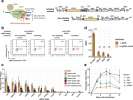
Chong, Ohnishi, Yusa et al
Genome Biol (2018) 19 (1), 205 DOI: 10.1186/s13059-018-1581-3
Cited by 81
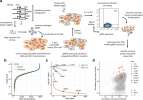
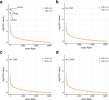
AI Summary: In this study, OriGene’s Human cDNA ORF library was used to facilitate genome-wide CRISPR activation screening for identifying cell surface receptors interacting with specific ligands.
Synaptopodin is upregulated by IL-13 in eosinophilic esophagitis and regulates esophageal epithelial cell motility and barrier integrity
Rochman, Travers, Abonia et al
JCI Insight (2017) 2 (20) DOI: 10.1172/jci.insight.96789
Rochman, Travers, Abonia et al
JCI Insight (2017) 2 (20) DOI: 10.1172/jci.insight.96789
AI Summary: OriGene’s SYNPO Human cDNA clone (NM_007286) was used to overexpress synaptopodin in esophageal epithelial cells, enabling the study of its effects on cell motility and barrier integrity in the context of eosinophilic esophagitis.
Snippet: or SYNPO overexpression, the coding sequence of the long SYNPO isoform (NM_007286) from the SYNPO Human cDNA clone (OriGene) was cloned into the pLVX-IRES-Puro lentiviral vector by the In-Fusion method (Takara). The EPC2 cells were grown and transduced in KSFM
Hemin protects against oxygen-glucose deprivation-induced apoptosis activation via neuroglobin in SH-SY5Y cells
Wang, Peng, Deng et al
Neurochem. Res. (2017)
Wang, Peng, Deng et al
Neurochem. Res. (2017)
AI Summary: OriGene's human neuroglobin (Ngb) cDNA clone was used to generate an expression vector for studying the role of Ngb in the neuroprotective effects of hemin in SH-SY5Y cells exposed to oxygen-glucose deprivation.
Snippet: experiments. In addition, the vector expressing human Ngb was generated using human cDNA clone from Origene (MD, USA) and subcloned into the KpnI and XbaI sites of pcDNA3.1;the construct was verified by direct sequencing. ... Cite SaveSaving
The RNA-binding protein QKI5 regulates primary miR-124-1 processing via a distal RNA motif during erythropoiesis
Wang, Song, Zhao et al
Cell Res. (2017) 27 (3), 416-439 DOI: 10.1038/cr.2017.26
Wang, Song, Zhao et al
Cell Res. (2017) 27 (3), 416-439 DOI: 10.1038/cr.2017.26
AI Summary: OriGene’s human QKI5 cDNA ORF Clone (pCMV6-QKI5, RC205779) was used for QKI5 overexpression experiments to investigate its role in regulating primary miR-124-1 processing during erythropoiesis.
Snippet: For QKI5 overexpression, the human QKI5 (NM_006775) cDNA ORF Clone was purchased from Origene (pCMV6-QKI5 in Figures 2H, 5D and 5K, and QKI5 in Figure 3B, RC205779). Mutations (QKI5 V157E ) or deletions (QKI5 ∆KH ) on the KH domain of QKI5 cDNA were created using the Quick- Change Site-Directed Mutagenesis kit (Stratagene, CA, USA)
Showing 1-6 of 13 papers.
Powered by BizGenius
*Delivery time may vary from web posted schedule. Occasional delays may occur due to unforeseen
complexities in the preparation of your product. International customers may expect an additional 1-2 weeks
in shipping.
Related Products
- Price:
- Actual Price:
Welcome to OriGene AI!
I'm your AI-powered guide to everything OriGene.
Ask me anything:
- Product specs
- Ordering help
- Technical questions
- How to find exactly what your experiment needs
Prefer a live agent? Connect with us by clicking the green chat icon, as seen in the image below or email our team at custsupport@origene.com.
