
CD4 Mouse Monoclonal Antibody [Clone ID: UMAB64]


$680.00
3 Weeks*
Specifications
| Product Data | |
| Clone Name | UMAB64 |
|---|---|
| Application | IF, IHC, WB |
| Recommended Dilution | IHC 1:50~100 |
| Reactivity | Human |
| Antibody Host | Mouse |
| Isotype | IgG2b |
| Clonality | Monoclonal |
| Immunogen | Full length human recombinant protein of human CD4 (NP_000607) produced in HEK293T cell. |
| Buffer | Lyophilized powder (original buffer 1X PBS, pH 7.3, 8% trehalose) |
| Reconstitution Method | For reconstitution, we recommend adding 100uL distilled water to a final antibody concentration of about 1 mg/mL. To use this carrier-free antibody for conjugation experiment, we strongly recommend performing another round of desalting process. (OriGene recommends Zeba Spin Desalting Columns, 7KMWCO from Thermo Scientific) |
| Purification | Purified from mouse ascites fluids or tissue culture supernatant by affinity chromatography (protein A/G) |
| Conjugation | Unconjugated |
| Storage | Store at -20°C as received. |
| Stability | Stable for 12 months from date of receipt. |
| Shipping | Ambient |
| Predicted Protein Size | 48.3 kDa |
| Gene Name | CD4 molecule |
| Database Link | |
| Background | This gene encodes a membrane glycoprotein of T lymphocytes that interacts with major histocompatibility complex class II antigenes and is also a receptor for the human immunodeficiency virus. This gene is expressed not only in T lymphocytes, but also in B cells, macrophages, and granulocytes. It is also expressed in specific regions of the brain. The protein functions to initiate or augment the early phase of T-cell activation, and may function as an important mediator of indirect neuronal damage in infectious and immune-mediated diseases of the central nervous system. Multiple alternatively spliced transcript variants encoding different isoforms have been identified in this gene. provided by RefSeq, Aug 2010 |
| Synonyms | CD4mut; IMD79; OKT4D |
| Reference Data | |
| Protein Categories | ADC Targets, CD Markers, Immune system diseases, Intracellular Proteins, Membrane Proteins |
| Protein Families | Adult stem cells, Druggable Genome, ES Cell Differentiation/IPS, Induced pluripotent stem cells, Transmembrane |
| Protein Pathways | Antigen processing and presentation, Cell adhesion molecules (CAMs), Hematopoietic cell lineage, Primary immunodeficiency, T cell receptor signaling pathway |
Reviews


Documents
| Product Manuals |
| FAQs |
| SDS |
Resources
Citations
Immune evasion mechanisms in early-stage I high-grade serous ovarian carcinoma: insights into regulatory T cell dynamics
Mikulak, Terzoli, Marzano et al
Cell Death Dis (2025) 16 (1), 229 DOI: 10.1038/s41419-025-07557-5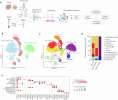
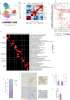
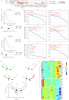
Mikulak, Terzoli, Marzano et al
Cell Death Dis (2025) 16 (1), 229 DOI: 10.1038/s41419-025-07557-5
Cited by 11
AI Summary: In this study, OriGene's anti-human CD4 monoclonal antibody (clone UMAB64) was used to detect CD4 protein expression in tissue sections, facilitating the characterization of regulatory T cells within the ovarian carcinoma microenvironment.
Snippet: is inhibition step was applied after primary Ab incubation. Sections were then blocked with Background Sniper (Biocare Medical) for 20 min at RT and incubated with anti-human CD4 mAb (clone UMAB64;Origene, USA;dilution 1:150) to detect membrane surface expression of the CD4 protein. Alternatively, sections were incubated with anti-human FOXP3 mAb (Clone 86D;Biocare Medical;dilution 1:100) to
Unveiling the prognostic role of blood inflammatory indexes in a retrospective cohort of patients undergoing liver resection for intrahepatic cholangiocarcinoma
Milana, Polidoro, Soldani et al
Int J Surg (2024)
Milana, Polidoro, Soldani et al
Int J Surg (2024)
AI Summary: OriGene’s anti-human CD4 antibody (clone UMAB64) was used for immunohistochemistry to identify and quantify CD4+ T cells in intrahepatic cholangiocarcinoma tissue samples, contributing to the analysis of immune-cell infiltration and its correlation with blood inflammatory indexes in the study.
Snippet: Immunohistochemistry (IHC) was performed on paraffin-embedded iCCA tissue from samples obtained from the Pathology Department, as already described19,20. The tissue sections were incubated with the following primary antibody: anti-human CD4 (1:300, clone UMAB64;Origene) and anti-human CD8 (1:500, clone C8/144B;Dako)
In mouse chronic pancreatitis CD25+FOXP3+ regulatory T cells control pancreatic fibrosis by suppression of the type 2 immune response
Glaubitz, Wilden, Golchert et al
Nat Commun (2022) 13 (1), 4502 DOI: 10.1038/s41467-022-32195-2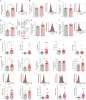
Glaubitz, Wilden, Golchert et al
Nat Commun (2022) 13 (1), 4502 DOI: 10.1038/s41467-022-32195-2
Cited by 48
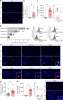
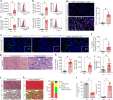
AI Summary: In this study, the OriGene anti-CD4 antibody (UM800010) was used for immunofluorescence labeling and flow cytometry analysis to identify and characterize CD4+ T cell populations involved in regulating pancreatic fibrosis during chronic pancreatitis in mice.
Snippet: dies were used for immunofluorescence labeling and Flow-cytometry analysis: anti-GFP (dilution 1:200, ab6673, abcam), anti-CD3 (dilution 1:200, 100202, BioLegend), anti-CD4 (dilution 1:200, UM800010, origene), anti-Mrc1/CD206 (dilution 1:200, OASA05048, aviva-sysbio), anti-αSMA (dilution 1:200, M0851, Dako), anti-CD90 (dilution 1:200, 14-0900-85, Invitrogen), anti-Amphiregulin (dilution 1:200, sc
Combinational Deletions of MGF360-9L and MGF505-7R Attenuated Highly Virulent African Swine Fever Virus and Conferred Protection against Homologous Challenge
Ding, Dang, Liu et al
J Virol (2022) 96 (14), e0032922 DOI: 10.1128/jvi.00329-22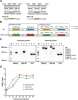
Ding, Dang, Liu et al
J Virol (2022) 96 (14), e0032922 DOI: 10.1128/jvi.00329-22
Cited by 62
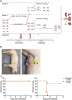
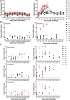
AI Summary: OriGene contributed to this study by providing the anti-CD4 mouse monoclonal antibody (clone UMAB64, catalog no. UM800010CF), which was used for immunostaining to analyze cellular immune responses in vaccinated pigs.
Snippet: CD3 epsilon antibody (DF6594;Affinity Biosciences), anti-CD4 monoclonal antibody (catalog no. 67786-Ig;Proteintech Group), anti-CD4 mouse monoclonal antibody (clone UMAB64) (catalog no. UM800010CF;Origene), anti-CD8a antibody (RPA-T8) (catalog no. 65144-Ig;Proteintech Group), anti-CD163 antibody (EDHu-1) (NB110-40686;Novus), anti-CD68 antibody (Affinity Biosciences;DF7518), IHCeasyCD68 ready
Intratumoral expression analysis reveals that OX40 and TIM-3 are prominently expressed and have variable associations with clinical outcomes in high grade serous ovarian cancer
James, Valenzuela, Emerson et al
Oncol Lett (2022) 23 (6), 188 DOI: 10.3892/ol.2022.13308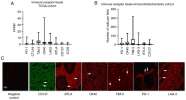
James, Valenzuela, Emerson et al
Oncol Lett (2022) 23 (6), 188 DOI: 10.3892/ol.2022.13308
Cited by 8
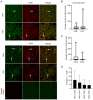
AI Summary: In this study, OriGene products—specifically, the anti-TIM-3 antibody (TA324873) and anti-OX40 antibody (TA809328)—were used for immunofluorescence staining to validate the protein expression of TIM-3 and OX40 in high grade serous ovarian cancer tissue samples.
Intratumoral expression analysis reveals that OX40 and TIM‑3 are prominently expressed and have variable associations with clinical outcomes in high grade serous ovarian cancer
James, Valenzuela, Emerson et al
Oncol Lett (2022) 23 (6), 188 DOI: 10.3892/ol.2022.13308
James, Valenzuela, Emerson et al
Oncol Lett (2022) 23 (6), 188 DOI: 10.3892/ol.2022.13308
Cited by 8
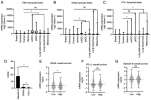
AI Summary: OriGene products, including primary antibodies against CD8 (TA802079), CD4 (UM800010), PD-1 (UM870089), OX40 (UM870166), BTLA (TA505536), and TIM-3 (TA), were used for immunofluorescence staining to assess the expression of immune receptors in high grade serous ovarian cancer tissue samples in this study.
Snippet: 1200). A representative image of immune receptor co-staining with DAPI can be seen in Fig. S1. Primary antibodies were all used at a [1:50] dilution, with vendor and catalog numbers as follows: CD8 (Origene TA802079 and Abcam ab4055), CD4 (Origene, UM800010 and Abcam ab133616), PD-1 (Origene, UM870089), OX40 (Origene UM870166), BTLA (Origene, TA505536), CD137 (Abcam, ab232990), TIM-3 (Origene, TA
Showing 1-6 of 10 papers.
Powered by BizGenius
*Delivery time may vary from web posted schedule. Occasional delays may occur due to unforeseen
complexities in the preparation of your product. International customers may expect an additional 1-2 weeks
in shipping.
Related Products
- Price:
- Actual Price:
Welcome to OriGene AI!
I'm your AI-powered guide to everything OriGene.
Ask me anything:
- Product specs
- Ordering help
- Technical questions
- How to find exactly what your experiment needs
Prefer a live agent? Connect with us by clicking the green chat icon, as seen in the image below or email our team at custsupport@origene.com.
