
Catalase (CAT) Mouse Monoclonal Antibody [Clone ID: OTI1B6]


$447.00
In Stock*
Specifications
| Product Data | |
| Clone Name | OTI1B6 |
|---|---|
| Application | FC, IF, IHC, WB |
| Recommended Dilution | WB 1:200~500, IHC 1:150, IF 1:100 |
| Reactivity | Dog, Human, Monkey, Mouse, Rat |
| Antibody Host | Mouse |
| Isotype | IgG1 |
| Clonality | Monoclonal |
| Immunogen | Full length human recombinant protein of human CAT (NP_111743) produced in HEK293T cell. |
| Buffer | PBS (pH 7.3) containing 1% BSA, 50% glycerol and 0.02% sodium azide |
| Concentration | 0.72 mg/ml |
| Purification | Purified from mouse ascites fluids or tissue culture supernatant by affinity chromatography (protein A/G) |
| Conjugation | Unconjugated |
| Storage | Store at -20°C as received. |
| Stability | Stable for 12 months from date of receipt. |
| Shipping | Blue Ice |
| Predicted Protein Size | 59.6 kDa |
| Gene Name | catalase |
| Database Link | |
| Background | This gene encodes catalase, a key antioxidant enzyme in the bodies defense against oxidative stress. Catalase is a heme enzyme that is present in the peroxisome of nearly all aerobic cells. Catalase converts the reactive oxygen species hydrogen peroxide to water and oxygen and thereby mitigates the toxic effects of hydrogen peroxide. Oxidative stress is hypothesized to play a role in the development of many chronic or late-onset diseases such as diabetes, asthma, Alzheimer's disease, systemic lupus erythematosus, rheumatoid arthritis, and cancers. Polymorphisms in this gene have been associated with decreases in catalase activity but, to date, acatalasemia is the only disease known to be caused by this gene. provided by RefSeq |
| Synonyms | MGC138422; MGC138424 |
| Reference Data | |
| Protein Categories | Growth Factors, Intracellular Proteins |
| Protein Families | Druggable Genome |
| Protein Pathways | Amyotrophic lateral sclerosis (ALS), Metabolic pathways, Methane metabolism, Tryptophan metabolism |
Reviews


Documents
| Product Manuals |
| FAQs |
| SDS |
Resources
Other "OTI1B6" antibodies (4)
| SKU | Description | Size | Price | |
|---|---|---|---|---|
| CF502496 | Carrier-free (BSA/glycerol-free) CAT mouse monoclonal antibody, clone OTI1B6 (formerly 1B6) | 100 ug |
$620.00
|
|
| TA502496AM | CAT (Catalase) mouse monoclonal antibody, clone OTI1B6 (formerly 1B6), Biotinylated | 100 ul |
$509.00
|
|
| TA502496BM | CAT (Catalase) mouse monoclonal antibody, clone OTI1B6 (formerly 1B6), HRP conjugated | 100 ul |
$509.00
|
|
| TA502496S | CAT (Catalase) mouse monoclonal antibody, clone OTI1B6 (formerly 1B6) | 30 ul |
$200.00
|
|
Citations
Bio-fabrication of pigment-capped silver nanoparticles encountering antibiotic-resistant strains and their cytotoxic effect towards human epidermoid larynx carcinoma (HEp-2) cells
Muthukrishnan, Chellappa, Nanda et al
RSC Adv. (2019) 9 (28), 15874-15886 DOI: 10.1039/C9RA01072F
Muthukrishnan, Chellappa, Nanda et al
RSC Adv. (2019) 9 (28), 15874-15886 DOI: 10.1039/C9RA01072F
AI Summary: OriGene products, including rabbit polyclonal anti-Bax (TA322940), mouse monoclonal anti-p53 (TA327920), mouse monoclonal anti-catalase (TA502496), and mouse monoclonal anti-β-actin antibodies, were used in this study to detect and analyze specific protein expressions related to cytotoxicity and cellular response.
Bio-fabrication of pigment-capped silver nanoparticles encountering antibiotic-resistant strains and their cytotoxic effect towards human epidermoid larynx carcinoma (HEp-2) cells
Muthukrishnan, Chellappa, Nanda et al
RSC Adv (2019) 9 (28), 15874-15886 DOI: 10.1039/c9ra01072f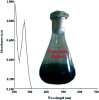
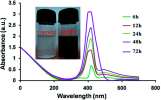
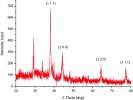
Muthukrishnan, Chellappa, Nanda et al
RSC Adv (2019) 9 (28), 15874-15886 DOI: 10.1039/c9ra01072f
AI Summary: In this study, OriGene's anti-p53 antibody (Cat# TA500084) was used to detect and analyze p53 protein expression, helping to elucidate the mechanism by which pigment-capped silver nanoparticles induce apoptosis in human epidermoid larynx carcinoma (HEp-2) cells.
Housefly (Musca domestica) larvae powder, preventing oxidative stress injury via regulation of UCP4 and CyclinD1 and modulation of JNK and P38 signaling in APP/PS1 mice
He, Yang, Jiao et al
Food Funct (2019) 10 (1), 235-243 DOI: 10.1039/c8fo02052c
He, Yang, Jiao et al
Food Funct (2019) 10 (1), 235-243 DOI: 10.1039/c8fo02052c
Cited by 7
AI Summary: In this study, OriGene products—specifically the anti-UCP4 antibody (TA326085), anti-CyclinD1 antibody (TA500249), anti-SOD1 antibody (TA500053), and anti-CAT antibody (TA352768)—were used for immunohistochemistry and western blot analyses to assess protein expression levels in APP/PS1 mice, thereby enabling evaluation of the protective effects of housefly larvae powder against oxidative stress and memory impairment.
Protein-rich extract of Musca domestica larvae alleviated metabolic disorder in STZ-induced type 2 diabetic rat model via hepatoprotective and pancreatic β-cell protective activities
Mei, Xu, He et al
J Biosci (2018) 43 (5), 969-983
Mei, Xu, He et al
J Biosci (2018) 43 (5), 969-983
AI Summary: In this study, OriGene products—including anti-GLUT4 antibody (TA327321), anti-PPARγ antibody (TA328582), and anti-SOD1 antibody (TA500053)—were used for detecting the expression of key metabolic and oxidative stress-related proteins via immunohistochemistry and western blot, helping to elucidate the mechanisms by which Musca domestica larvae extract alleviated metabolic disorders in diabetic rats.
Pterostilbene Decreases the Antioxidant Defenses of Aggressive Cancer Cells in Vivo: a Physiological Glucocorticoids- and Nrf2-Dependent Mechanism
Benlloch, Obrador, Valles et al
Antioxid. Redox Signal. (2015)
Benlloch, Obrador, Valles et al
Antioxid. Redox Signal. (2015)
Cited by 68
AI Summary: OriGene’s anti-human SOD1 and CAT monoclonal antibodies were used for western blot analysis to measure antioxidant enzyme levels in cancer cells, helping to assess the effects of pterostilbene on cellular antioxidant defenses in this study.
Snippet: Proteins were transferred to a nitrocellulose membrane and subjected to western blotting with anti-human SOD1 or CAT monoclonal antibodies (OriGene, Rockville, MD). Blots were developed using horseradish peroxidase-conjugated secondary antibody and enhanced chemiluminescence (ECL system, Amersham). …
Showing 1-5 of 5 papers.
Powered by BizGenius
*Delivery time may vary from web posted schedule. Occasional delays may occur due to unforeseen
complexities in the preparation of your product. International customers may expect an additional 1-2 weeks
in shipping.
Related Products
- Price:
- Actual Price:
Welcome to OriGene AI!
I'm your AI-powered guide to everything OriGene.
Ask me anything:
- Product specs
- Ordering help
- Technical questions
- How to find exactly what your experiment needs
Prefer a live agent? Connect with us by clicking the green chat icon, as seen in the image below or email our team at custsupport@origene.com.
