
IDH3A Mouse Monoclonal Antibody [Clone ID: OTI2F11]


$447.00
In Stock*
Specifications
| Product Data | |
| Clone Name | OTI2F11 |
|---|---|
| Application | FC, IF, WB |
| Recommended Dilution | WB 1:2000, IF 1:100, Flow 1:100 |
| Reactivity | Dog, Human, Mouse, Rat |
| Antibody Host | Mouse |
| Isotype | IgG2a |
| Clonality | Monoclonal |
| Immunogen | Full length human recombinant protein of human IDH3A (NP_005521) produced in HEK293T cell. |
| Buffer | PBS (pH 7.3) containing 1% BSA, 50% glycerol and 0.02% sodium azide |
| Concentration | 1 mg/ml |
| Purification | Purified from mouse ascites fluids or tissue culture supernatant by affinity chromatography (protein A/G) |
| Conjugation | Unconjugated |
| Storage | Store at -20°C as received. |
| Stability | Stable for 12 months from date of receipt. |
| Shipping | Blue Ice |
| Predicted Protein Size | 39.6 kDa |
| Gene Name | isocitrate dehydrogenase (NAD(+)) 3 catalytic subunit alpha |
| Database Link | |
| Background | Isocitrate dehydrogenases catalyze the oxidative decarboxylation of isocitrate to 2-oxoglutarate. These enzymes belong to two distinct subclasses, one of which utilizes NAD(+) as the electron acceptor and the other NADP(+). Five isocitrate dehydrogenases have been reported: three NAD(+)-dependent isocitrate dehydrogenases, which localize to the mitochondrial matrix, and two NADP(+)-dependent isocitrate dehydrogenases, one of which is mitochondrial and the other predominantly cytosolic. NAD(+)-dependent isocitrate dehydrogenases catalyze the allosterically regulated rate-limiting step of the tricarboxylic acid cycle. Each isozyme is a heterotetramer that is composed of two alpha subunits, one beta subunit, and one gamma subunit. The protein encoded by this gene is the alpha subunit of one isozyme of NAD(+)-dependent isocitrate dehydrogenase. |
| Synonyms | H-IDH alpha; isocitrate dehydrogenase (NAD+) alpha chain; isocitrate dehydrogenase 3 (NAD+) a; isocitrate dehydrogenase NAD subunit alpha; isocitric dehydrogenase; mitochondrial; NAD(H)-specific isocitrate dehydrogenase alpha subunit; NAD+-specific ICDH |
| Reference Data | |
| Protein Categories | Intracellular Proteins, Nervous system Diseases |
| Protein Pathways | Citrate cycle (TCA cycle), Metabolic pathways |
Reviews


Documents
| Product Manuals |
| FAQs |
| SDS |
Resources
Other "OTI2F11" antibodies (4)
| SKU | Description | Size | Price | |
|---|---|---|---|---|
| CF500739 | Carrier-free (BSA/glycerol-free) IDH3A mouse monoclonal antibody, clone OTI2F11 (formerly 2F11) | 100 ug |
$620.00
|
|
| TA500739AM | Anti-IDH3A mouse monoclonal antibody, clone OTI2F11 (formerly 2F11), Biotinylated | 100 ul |
$509.00
|
|
| TA500739BM | Anti-IDH3A mouse monoclonal antibody, clone OTI2F11 (formerly 2F11), HRP conjugated | 100 ul |
$509.00
|
|
| TA500739S | Anti-IDH3A mouse monoclonal antibody, clone OTI2F11 (formerly 2F11) | 30 ul |
$200.00
|
|
Citations
Nuclear IDH3A Drives Transcriptional Programs in Melanoma via the YBX1-JUN/FOS Axis
Ran, Fang, Ruan et al
Adv Sci (Weinh) (2026)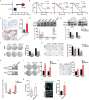
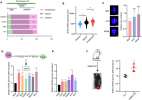
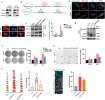
Ran, Fang, Ruan et al
Adv Sci (Weinh) (2026)
AI Summary: OriGene products contributed to this study by providing the IDH3A antibody (Mouse, TA500739) and HRP-conjugated secondary antibodies (anti-rabbit PR30011 and anti-mouse PR30009), which were essential for detecting and analyzing protein interactions and expression related to melanoma progression.
Snippet: YBX1 (EP2708Y) from Abcam;IDH3A (Mouse, TA500739) from Origene. HRP‐conjugated secondary antibodies included anti‐rabbit (PR30011) and anti‐mouse (PR30009)
Metabolic Reprogramming of Cancer-Associated Fibroblasts by IDH3α Downregulation
Zhang, Wang, Shi et al
Cell Rep (2015) 10 (8), 1335-48 DOI: 10.1016/j.celrep.2015.02.006
Zhang, Wang, Shi et al
Cell Rep (2015) 10 (8), 1335-48 DOI: 10.1016/j.celrep.2015.02.006
Cited by 333
AI Summary: OriGene contributed monoclonal antibodies against IDH3α, β-actin, and GAPDH, which were used in this study to detect and quantify protein expression levels during the investigation of metabolic reprogramming in cancer-associated fibroblasts.
Snippet: Cells and Reagents A375 melanoma cells (ATCC) were cultured in DMEM with 10% fetal bovine serum (FBS). Glucose-deprived DMEM was purchased from Gibco. Human recombinant TGF-β1 was purchased from Peprotech. SYBR Green PCR master mix and the TaqMan microRNA reverse transcription kit were purchased from ABI. The lactate and cell proliferation assay kits were purchased from BioVision Technologies and ...
Showing 1-2 of 2 papers.
Powered by BizGenius
*Delivery time may vary from web posted schedule. Occasional delays may occur due to unforeseen
complexities in the preparation of your product. International customers may expect an additional 1-2 weeks
in shipping.
Related Products
- Price:
- Actual Price:
Welcome to OriGene AI!
I'm your AI-powered guide to everything OriGene.
Ask me anything:
- Product specs
- Ordering help
- Technical questions
- How to find exactly what your experiment needs
Prefer a live agent? Connect with us by clicking the green chat icon, as seen in the image below or email our team at custsupport@origene.com.
