
FGF2 Mouse Monoclonal Antibody [Clone ID: OTI3D9]


$200.00
2 Days*
Specifications
| Product Data | |
| Clone Name | OTI3D9 |
|---|---|
| Application | ELISA (indirect), IF, IHC, WB |
| Recommended Dilution | WB 1:1000, IHC 1:50, IF 1:100 |
| Reactivity | Human, Mouse, Rat |
| Antibody Host | Mouse |
| Isotype | IgG2b |
| Clonality | Monoclonal |
| Immunogen | Human recombinant protein fragment corresponding to amino acids 10-155 of human bFGF (NP_001997) produced in E.coli. |
| Buffer | PBS (pH 7.3) containing 1% BSA, 50% glycerol and 0.02% sodium azide |
| Concentration | 1 mg/ml |
| Purification | Purified from mouse ascites fluids or tissue culture supernatant by affinity chromatography (protein A/G) |
| Conjugation | Unconjugated |
| Storage | Store at -20°C as received. |
| Stability | Stable for 12 months from date of receipt. |
| Shipping | Blue Ice |
| Predicted Protein Size | 30.6 kDa |
| Gene Name | fibroblast growth factor 2 |
| Database Link | |
| Background | BFGF is a member of the fibroblast growth factor (FGF) family. FGF family members bind heparin and possess broad mitogenic and angiogenic activities. This protein has been implicated in diverse biological processes, such as limb and nervous system development, wound healing, and tumor growth. The mRNA for this gene contains multiple polyadenylation sites, and is alternatively translated from non-AUG (CUG) and AUG initiation codons, resulting in five different isoforms with distinct properties. The CUG-initiated isoforms are localized in the nucleus and are responsible for the intracrine effect, whereas, the AUG-initiated form is mostly cytosolic and is responsible for the paracrine and autocrine effects of this FGF. |
| Synonyms | BFGF; FGF-2; FGFB; HBGF-2 |
| Reference Data | |
| Protein Categories | Chemokines, Cytokines, Growth Factors, Intracellular Proteins, Secreated Proteins |
| Protein Families | Druggable Genome, Secreted Protein |
| Protein Pathways | MAPK signaling pathway, Melanoma, Pathways in cancer, Regulation of actin cytoskeleton |
Reviews


Documents
| Product Manuals |
| FAQs |
| SDS |
Resources
Other "OTI3D9" antibodies (4)
| SKU | Description | Size | Price | |
|---|---|---|---|---|
| CF500012 | Carrier-free (BSA/glycerol-free) BFGF mouse monoclonal antibody, clone OTI3D9 (formerly 3D9) | 100 ug |
$620.00
|
|
| TA500012 | bFGF (FGF2) mouse monoclonal antibody, clone OTI3D9 (formerly 3D9) | 100 ul |
$447.00
|
|
| TA500012AM | bFGF (FGF2) mouse monoclonal antibody, clone OTI3D9 (formerly 3D9), Biotinylated | 100 ul |
$509.00
|
|
| TA500012BM | bFGF (FGF2) mouse monoclonal antibody, clone OTI3D9 (formerly 3D9), HRP conjugated | 100 ul |
$509.00
|
|
Citations
Black Phosphorus Nanosheets Promote Neuronal Differentiation of Neural Stem Cells through Adhesion and Pinocytosis for Spinal Cord Injury Repair
Chen, Shi, Wei et al
Acta Biomater (2025)
Chen, Shi, Wei et al
Acta Biomater (2025)
Cited by 9
AI Summary: In this study, the OriGene anti-bFGF antibody (TA500012) was used to detect basic fibroblast growth factor expression, contributing to the analysis of molecular mechanisms underlying neural stem cell differentiation promoted by black phosphorus nanosheets.
Snippet: dy (1:200, 18985–1-AP, Proteintech), anti-Arg-1 antibody (1:200, 16001–1-AP, Proteintech), anti-VEGFA antibody (1:200, ab1793, Abcam), anti-bFGF antibody (1:100, TA500012, OriGene), anti-CD31 antibody (1:200, ab28364, Abcam), Alexa Fluor 488 secondary antibody (1:200, ab150077, Abcam), Alexa Fluor 555 secondary antibody (1:200, ab150118, Abcam), Alexa Fluor 555 secondary antibody (1:200, ab150078, Abcam). 2.13. …
Malignant subclone drives metastasis of genetically and phenotypically heterogenous cell clusters through fibrotic niche generation
Kok, Oshima, Takahashi et al
Nat Commun (2021) 12 (1), 863 DOI: 10.1038/s41467-021-21160-0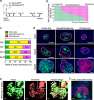
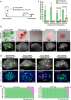
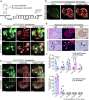
Kok, Oshima, Takahashi et al
Nat Commun (2021) 12 (1), 863 DOI: 10.1038/s41467-021-21160-0
Cited by 45
AI Summary: OriGene's anti-FGF2 antibody was used in this study for immunohistochemistry to detect and analyze the presence of FGF2 protein, contributing to the investigation of fibrotic niche generation in metastatic processes.
Snippet: 1:50, BD Biosciences), GFP (1:500, MBL), RFP (1:1000, Rockland Immunochemicals), DsRed (1:200, Clonetech), αSMA (1:800, Sigma), CD31 (1:20, Clone SZ31;Dianova, Hamburg, Germany), and FGF2 (1:100, OriGene) were used as primary antibodies for immunohistochemistry. Antibodies against GFP and RFP were used to detect Venus and tdTomato-labeled cells, respectively. Staining signals were visualized u
Using magnetic nanoparticles for gene transfer to neural stem cells: stem cell propagation method influences outcomes
Pickard, Adams, Barraud et al
J Funct Biomater (2015) 6 (2), 259-76 DOI: 10.3390/jfb6020259
Pickard, Adams, Barraud et al
J Funct Biomater (2015) 6 (2), 259-76 DOI: 10.3390/jfb6020259
Cited by 23
AI Summary: In this study, OriGene products—including the human FGF2-turboGFP plasmid, the control plasmid pCMV6-AN-GFP, and the anti-FGF2 antibody (clone 3D9)—were used to enable and verify gene transfer and expression in neural stem cells during the evaluation of magnetic nanoparticle-mediated transfection methods.
Showing 1-3 of 3 papers.
Powered by BizGenius
*Delivery time may vary from web posted schedule. Occasional delays may occur due to unforeseen
complexities in the preparation of your product. International customers may expect an additional 1-2 weeks
in shipping.
Related Products
- Price:
- Actual Price:
Welcome to OriGene AI!
I'm your AI-powered guide to everything OriGene.
Ask me anything:
- Product specs
- Ordering help
- Technical questions
- How to find exactly what your experiment needs
Prefer a live agent? Connect with us by clicking the green chat icon, as seen in the image below or email our team at custsupport@origene.com.
