
PGC1 alpha (PPARGC1A) Rabbit Polyclonal Antibody

Specifications
| Product Data | |
| Application | WB |
|---|---|
| Recommended Dilution | WB |
| Reactivity | Human, Mouse, Rat |
| Antibody Host | Rabbit |
| Isotype | IgG |
| Clonality | Polyclonal |
| Immunogen | The immunogen for anti-PPARGC1A antibody: synthetic peptide directed towards the N terminal of human PPARGC1A. Synthetic peptide located within the following region: MAWDMCNQDSESVWSDIECAALVGEDQPLCPDLPELDLSELDVNDLDTDS |
| Buffer | Liquid. Purified antibody supplied in 1x PBS buffer with 0.09% (w/v) sodium azide and 2% sucrose. |
| Purification | Affinity Purified |
| Conjugation | Unconjugated |
| Storage | Store at -20°C as received. |
| Stability | Stable for 12 months from date of receipt. |
| Shipping | Blue Ice |
| Predicted Protein Size | 91 kDa |
| Gene Name | PPARG coactivator 1 alpha |
| Database Link | |
| Background | The protein encoded by this gene is a transcriptional coactivator that regulates the genes involved in energy metabolism. This protein interacts with PPARgamma, which permits the interaction of this protein with multiple transcription factors. This protein can interact with, and regulate the activities of, cAMP response element binding protein (CREB) and nuclear respiratory factors (NRFs). It provides a direct link between external physiological stimuli and the regulation of mitochondrial biogenesis, and is a major factor that regulates muscle fiber type determination. This protein may be also involved in controlling blood pressure, regulating cellular cholesterol homoeostasis, and the development of obesity. |
| Synonyms | LEM6; PGC-1(alpha); PGC-1alpha; PGC-1v; PGC1; PGC1A; PPARGC1 |
| Note | Immunogen Sequence Homology: Dog: 100%; Pig: 100%; Rat: 100%; Goat: 100%; Horse: 100%; Human: 100%; Mouse: 100%; Bovine: 100%; Rabbit: 100%; Guinea pig: 100%; Zebrafish: 90% |
| Reference Data | |
| Protein Categories | Intracellular Proteins |
| Protein Families | Druggable Genome, Transcription Factors |
| Protein Pathways | Adipocytokine signaling pathway, Huntington's disease, Insulin signaling pathway |
Reviews


Documents
| Product Manuals |
| FAQs |
| SDS |
Citations
Resveratrol Protects Against Post-Contrast Acute Kidney Injury in Rabbits With Diabetic Nephropathy
Wang, Wang, Qi et al
Front Pharmacol (2019) 10, 833 DOI: 10.3389/fphar.2019.00833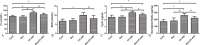
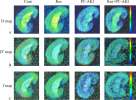
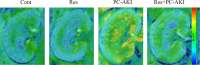
Wang, Wang, Qi et al
Front Pharmacol (2019) 10, 833 DOI: 10.3389/fphar.2019.00833
Cited by 37
AI Summary: OriGene products contributed to this study by providing the SIRT1 and PGC-1α antibodies used for protein expression analysis.
Showing 1-1 of 1 papers.
Powered by BizGenius
*Delivery time may vary from web posted schedule. Occasional delays may occur due to unforeseen
complexities in the preparation of your product. International customers may expect an additional 1-2 weeks
in shipping.
Related Products
- Price:
- Actual Price:
Welcome to OriGene AI!
I'm your AI-powered guide to everything OriGene.
Ask me anything:
- Product specs
- Ordering help
- Technical questions
- How to find exactly what your experiment needs
Prefer a live agent? Connect with us by clicking the green chat icon, as seen in the image below or email our team at custsupport@origene.com.
