
Fibronectin (FN1) Rabbit Polyclonal Antibody

Specifications
| Product Data | |
| Application | ICC/IF, IHC, Simple Western, WB |
|---|---|
| Recommended Dilution | Immunohistochemistry-Frozen, Immunocytochemistry/ Immunofluorescence: 1:400, Western Blot: 1:1000, Immunohistochemistry-Paraffin: 1:400, Simple Western: 1:100, Immunohistochemistry: 1:400 |
| Reactivity | Human, Mouse |
| Antibody Host | Rabbit |
| Clonality | Polyclonal |
| Immunogen | A synthetic peptide made toward the C-terminal region of the human Fibronectin protein (within residues 2250-2300). Swiss-Prot P02751 |
| Buffer | PBS with 30% Glycerol, 0.05% Sodium Azide. Store at 4C short term. Aliquot and store at -20C long term. Avoid freeze-thaw cycles. |
| Concentration | lot specific |
| Purification | Affinity purified |
| Conjugation | Unconjugated |
| Storage | Store at -20°C as received. |
| Stability | Stable for 12 months from date of receipt. |
| Shipping | Blue Ice |
| Gene Name | fibronectin 1 |
| Database Link | |
| Background | Fibronectin EDA (FN-EDA, FN, fibronectin 1) is a glycoprotein that is involved in cell adhesion as well as cell migration processes such as embryogenesis, wound healing, host defense and metastasis. Fibronectin appears to be an important factor in the ability of cancerous cells to metastasize by inducing matrix metalloproteinases (MMPs). In a study of human laryngeal carcinoma cells, researchers showed that FN-induced expression of MMP-9 increased the DNA binding activity of transcription factors NF-kappa-B, Activator protein-1 and Specificity protein-1 to the promoter region (PMID: 20638438). Additionally, a study of renal cell cancer showed that the mRNA expression of fibronectin 1 was higher in patients with renal cell cancer as compared to patients with healthy kidneys. This disparity in mRNA expression levels could potentially be used to determine the aggressiveness of renal cell cancer as well as indicate the progression of the disease in patients (PMID: 20860816). Furthermore, a knockdown study of endogenous FN in the A431-III cell line showed a significant decrease of the migratory and invasive activity of the cells as well as an inhibition of secreted MMP-9 (PMID: 21036738). |
| Synonyms | CIG; ED-B; FINC; FN; FNZ; GFND; GFND2; LETS; MSF |
| Note | This Fibronectin antibody is useful for Immunocytochemistry/Immunofluorescence, Western Blot, and IHC-paraffin embedded sections. In ICC/IF, cytoplasmic staining was observed in HeLa cells. In Western Blot, a band is seen ~262 kDa representing Fibronectin. In IHC-P, staining was observed in the cytoplasm and extracellular space of mouse prostate tissue. Prior to immunostaining paraffin tissues, antigen retrieval with sodium citrate buffer (pH 6.0) is recommended. |
| Reference Data | |
| Protein Categories | ADC Targets, Growth Factors, Intracellular Proteins, Secreated Proteins |
| Protein Families | Druggable Genome, ES Cell Differentiation/IPS, Secreted Protein |
| Protein Pathways | ECM-receptor interaction, Focal adhesion, Pathways in cancer, Regulation of actin cytoskeleton, Small cell lung cancer |
Reviews


Documents
| Product Manuals |
| FAQs |
| SDS |
Citations
The role of atropine in myopia control: insights into choroidal and scleral mechanisms
Huang, Zhang, Luo
Front Pharmacol (2025) 16, 1509196 DOI: 10.3389/fphar.2025.1509196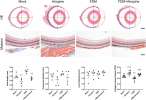
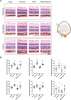
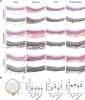
Huang, Zhang, Luo
Front Pharmacol (2025) 16, 1509196 DOI: 10.3389/fphar.2025.1509196
Cited by 14
AI Summary: OriGene products, specifically the anti-fibronectin (TA336854) and anti-Col1a1 (TA374961) rabbit polyclonal antibodies, were used in this study to assess extracellular matrix protein expression in ocular tissues, contributing to the evaluation of atropine's effects on myopia progression.
Snippet: te, the sections prepared as mentioned above were blocked with 10% BSA at RT for 1 h after and incubated at 4°C overnight with the anti-fibronectin (Fn;TA336854, rabbit polyclonal antibody, 1:200;OriGene Technologies Inc., Rockville, MD, United States) and anti-Col1a1 (Col1;TA374961, rabbit polyclonal antibody, 1:200;OriGene Technologies Inc., Rockville, MD, United States). Then, sections we
AZD6738 decreases intraocular pressure and inhibits fibrotic response in trabecular meshwork through CHK1/P53 pathway
Huang, Wei, Wang et al
Biochem Pharmacol (2022) 206, 115340 DOI: 10.1016/j.bcp.2022.115340
Huang, Wei, Wang et al
Biochem Pharmacol (2022) 206, 115340 DOI: 10.1016/j.bcp.2022.115340
Cited by 11
AI Summary: In this study, OriGene products—specifically the rabbit polyclonal antibodies against fibronectin (Fn; TA336854) and collagen I (Col1; TA374961)—were used to detect fibrosis-related protein expression, helping to elucidate the anti-fibrotic effects of AZD6738 in trabecular meshwork cells.
Showing 1-2 of 2 papers.
Powered by BizGenius
*Delivery time may vary from web posted schedule. Occasional delays may occur due to unforeseen
complexities in the preparation of your product. International customers may expect an additional 1-2 weeks
in shipping.
Related Products
- Price:
- Actual Price:
Welcome to OriGene AI!
I'm your AI-powered guide to everything OriGene.
Ask me anything:
- Product specs
- Ordering help
- Technical questions
- How to find exactly what your experiment needs
Prefer a live agent? Connect with us by clicking the green chat icon, as seen in the image below or email our team at custsupport@origene.com.
